
by Nebula Haze
What if you could make sure your next cannabis harvest was faster, with bigger, more potent buds? What if you could guarantee every marijuana plant was seedless, and never experience herms or unwanted “bananas” growing on buds ever again?
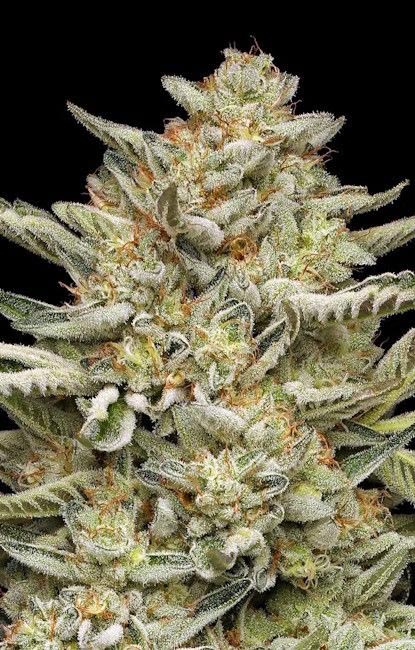
Are “triploid” genetics the future of cannabis breeding? (This is OG Triploid Auto)
Some growers believe that cannabis cultivation is about to experience a revolution in breeding.
This belief is based on an agricultural breeding technique that gave us gifts like seedless watermelons and bigger, tastier bananas.
This same technique can be used on cannabis plants.
Although more research is needed to fully understand the implications of triploidy for cannabis cultivation, the results so far are encouraging.
Examples of Cannabis Triploid Strains
- OG Triploid Auto – a feminized powerful effects and unmistakable aroma
- Donutz Triploid – a feminized triploid strain with 30% THC buds by Humboldt Seed Co.
- Sour Bremix 3n THC Triploid – a feminized triploid with a short 58 day flowering time by Trilogene Seeds.
A sparkly Sour Bremix 3n THC Triploid cannabis bud thriving under LEDs

Welcome to the New World of Triploid Cannabis Genetics
What is a “triploid” cannabis plant? Let me quickly explain what this means, and then I’ll explain why it matters to cannabis growers.
A triploid organism has three sets of chromosomes (abbreviated “3n”) instead of the typical two (“2n”) in most organisms on earth. However, plants tend to be more loosey goosey with their chromosomes, and it’s common for plants to be “polyploid” and have three, four, or even more sets of chromosomes. In fact, polyploidy (and especially triploids) is a key driver of evolution in the plant kingdom.
Triploid cannabis has an extra set of chromosomes. This may give cannabis a “genetic upgrade” of sorts.
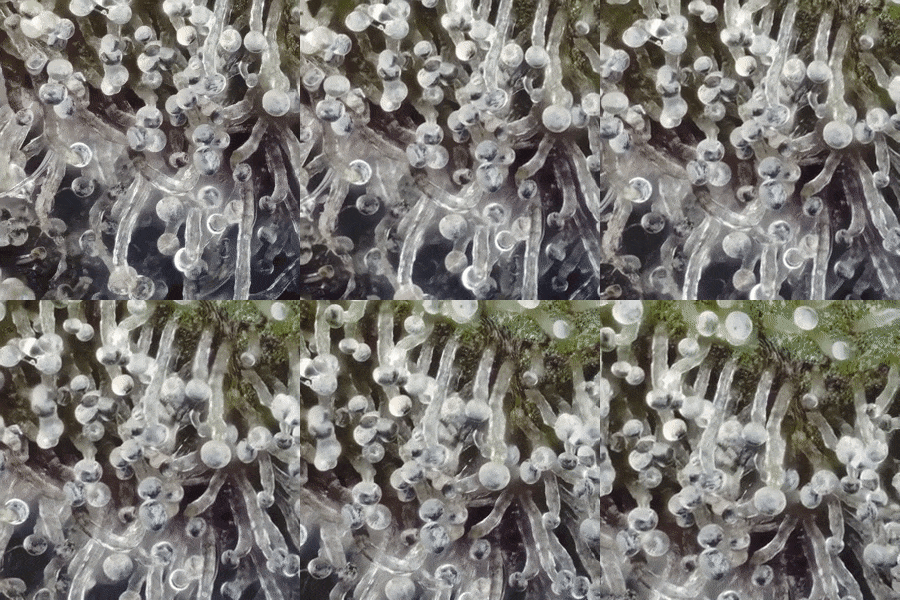
What does that have to do with growing cannabis? Well, cannabis plants typically have two sets of chromosomes, but with special breeding techniques, cannabis plants can be forced to be triploid.
What are the benefits of triploid plants in agriculture?
Triploidy has occurred naturally in plants since long before modern genetics were understood. Farmers have unintentionally selected for triploid plant strains before we even knew what “triploidy” was. From their perspective, they were just breeding the plants that resulted in better quality and bigger fruit.
In general, triploid plants have these characteristics:
- Fruits grow bigger and sometimes tastier
- Seedless (or almost seedless)
- Plants grow faster and more hardy
Seedless watermelons are the result of breeding triploid genetics.

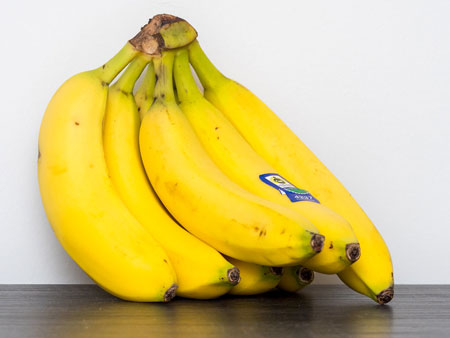
Most commercial banana varieties are triploid. Otherwise they are less sweet, and come with big, hard seeds!
Triploids happen naturally, but are unpredictable. But in the 1900s, scientists learned how to force triploid plants using a chemical called colchicine (which originates from a flowering plant called the “autumn crocus”). When applied to seedlings, colchicine disrupts cell division and allows us to easily and quickly make polyploid plants. This polyploid plants are known as Tetraploid because they have 4 sets of chromosomes (twice the normal amount). Tetraploid plants (4n) can be bred with standard diploid cannabis plants (2n), resulting in triploid offspring (3n). This second generation with triploid offspring is where the magic happens.
Now these same techniques are being used on cannabis plants. So far the results are promising, but not yet widely studied or validated. This has the potential to be the biggest new technique in cannabis breeding since feminized seeds and genetic testing.
What are the potential benefits for triploid cannabis plants?
What happens when breeders induce a triploid state in a cannabis plant? So far, it seems the potential effects may include…
- Bigger Buds – Buds may naturally grow bigger and fatter.
- Fewer Seeds – Buds may be less likely to suffer from hermaphroditism and are often seedless. However, it’s yet to be confirmed whether they’re always seedless.
- Enhanced Potency – Triploid cannabis plants may be able to produce significantly more resin than diploid ones.
- Quicker to Harvest – Plants may grow faster and be more resilient, shaving time off your grow before harvest.
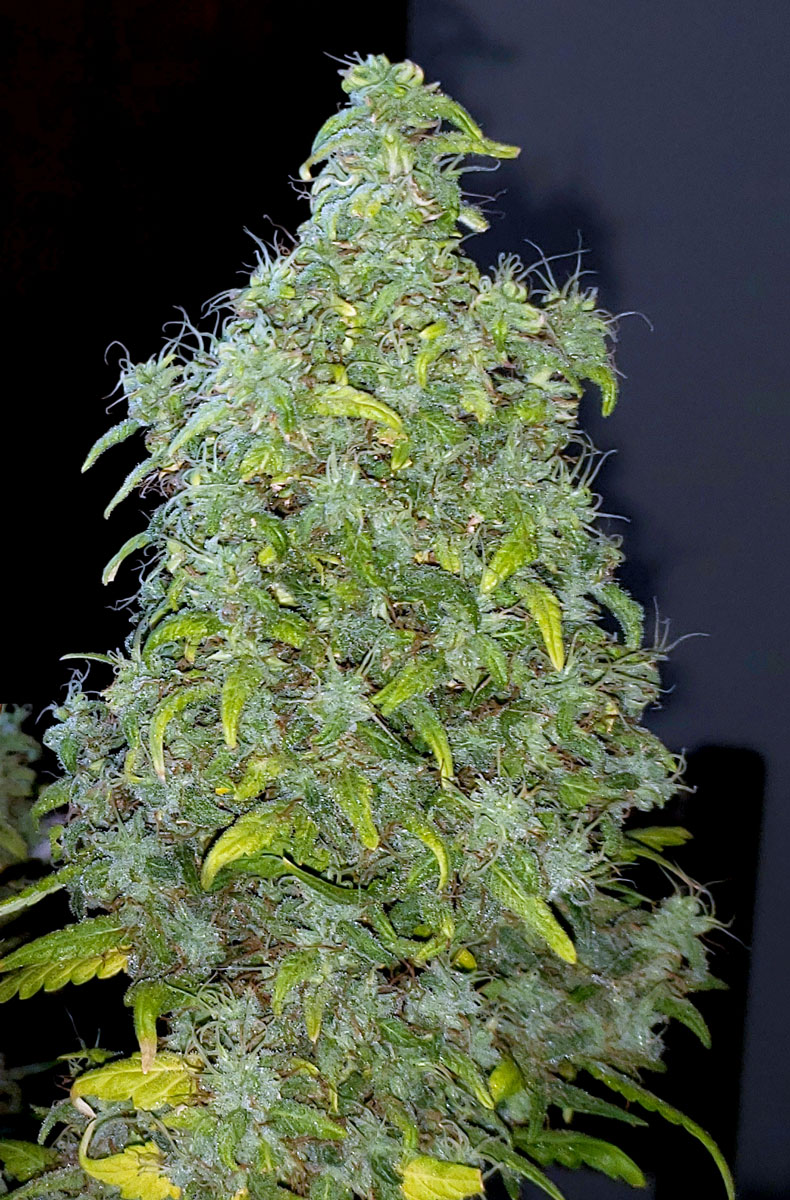
Triploid marijuana buds may naturally grow bigger than normal.
What are some questions and challenges when it comes to triploid cannabis plants?
- Laws & Regulation – Using a chemical like colchicine in the grow process can raise regulatory concerns. In some places, it may even be illegal. Although colchicine is naturally found in the “autumn crocus” plant, it is toxic to humans. A human should never smoke or ingest a plant that was treated with colchicine as part of this breeding process (though their offspring don’t contain colchicine).
- Difficult to breed on a big scale – Since triploid plants don’t make many seeds, it can be extremely difficult to conduct a breeding program to create consistent results. Typically breeders must use Tetraploid and Diploid parent plants to make seeds, every time they make seeds. Once the triploid strain has been created, it can typically only be shared as a clone.
- Unnatural breeding techniques – What will consumers think about cannabis strains created through this process? This process is not your standard genetic modification (GMO) that inserts foreign DNA into a genome, but it does involve altering the plant’s chromosome count. Although there are naturally occuring triploids among cannabis plants, triploid breeding programs use chemicals to force the polyploidy to occur on what would otherwise be normal cannabis plants.
- Potential loss of genetic diversity – Since triploid plants cannot make fertile pollen or seeds, they are not suitable for breeding. Therefore, it’s important they don’t become the only or main type of cannabis genetics. Otherwise, we won’t have any genetic diversity. We always need standard diploid cannabis plants because a parent diploid plant is needed to produce triploid plants
More study is desperately needed! Contact us if you know of any growers publishing their results with breeding triploid plants.
Common question: Do you need to use something like colloidal silver or gibberellic acid to induce seed production? No, these techniques are used to make feminized seeds, but are not part of a triploid cannabis breeding program.
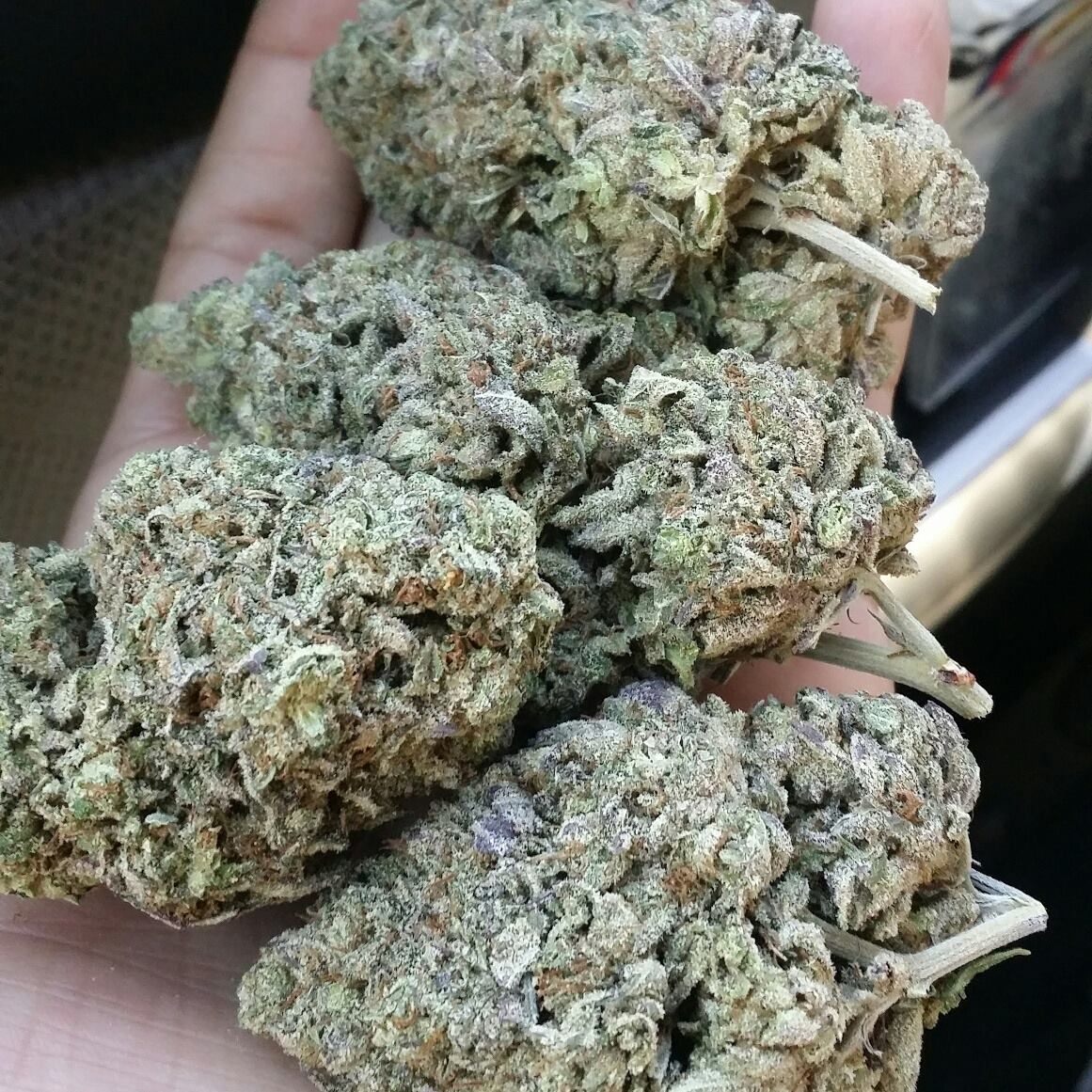
Triploid cannabis buds may naturally be bigger than their diploid cousins.
Step-by-Step: How to Make Triploid Cannabis Plants
Note: Colchicine is toxic. it can be used as part of a breeding program, but any plant treated with colchicine should never be smoked or consumed by humans.
How to Create a Triploid Plant
1.) Create a Stable “Tetraploid” (4 Sets of Chromosomes) Line
The first step it to make tetraploid (4n) plants from your standard diploid (2n) plants. How do you do that?
First, regular cannabis seedlings are treated with a chemical called colchicine from a young age. This chemical disrupts normal cell division, and causes the plant’s cells to have twice the usual number of chromosomes (4n instead of 2n). These tetraploid plants with four sets of chromosomes can produce fertile pollen and make seeds, so tetraploids can be incorporated into a breeding program (unlike triploid plants).
Typically, you need to use genetic testing to be certain your plants actually became tetraploid. Then you move on to the next step.
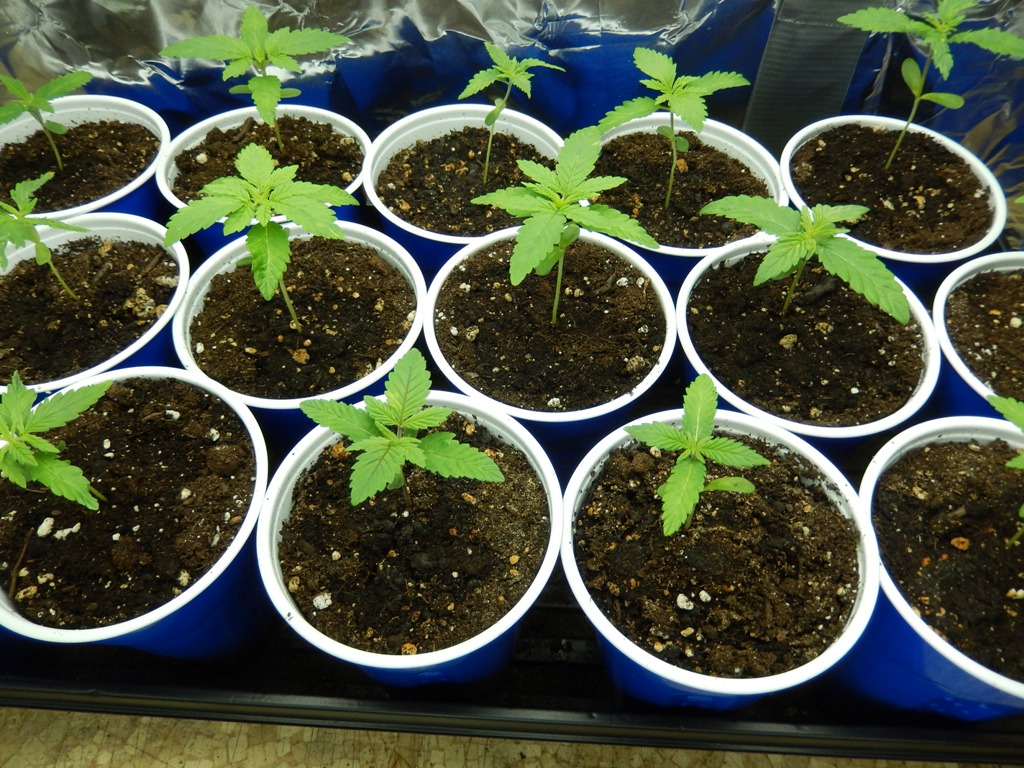
Treat normal cannabis seedlings with Colchicine to produce tetraploid plants.
2.) Cross Your Tetraploid Plants with a Standard Diploid Cannabis Plant
A tetraploid (4n) plant is bred with a standard diploid (2n) cannabis plant. When these plants are bred together, the offspring typically have 3 sets of chromosomes (3n), which means they are triploid.
These plants are typically sterile, which means they won’t make viable pollen or seeds. Therefore, these plants are “as is” and cannot be bred further. However, they can be cloned and shared.
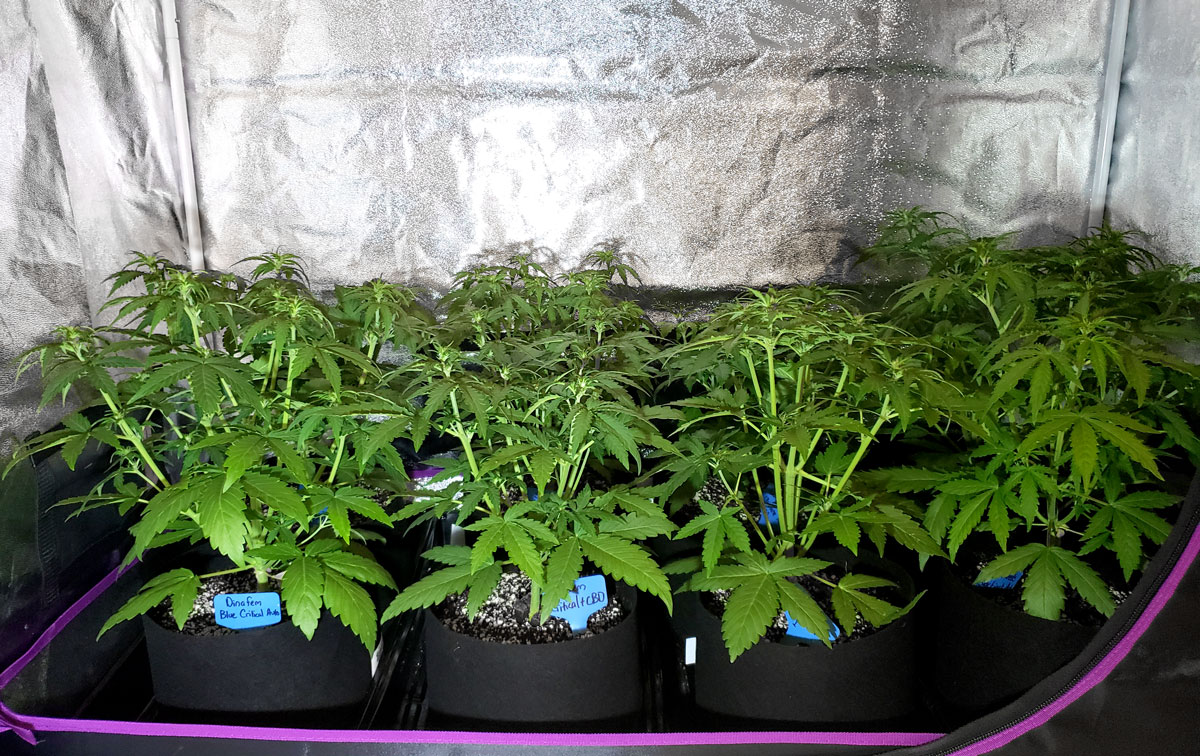
Breed your tetraploid plant with a regular cannabis plant. Their seeds grow into triploid plants!

Note: The most difficult part of a triploid breeding program is being able to tell whether you’ve been successful at each stage. Breeders have access to genetic testing which is often too expensive or out of reach for home growers.
Looking to buy triploid cannabis seeds?
- Get Donutz Triploid seeds – a feminized triploid strain with 30% THC buds, bred by Humboldt Seed Co.
- Get Sour Bremix 3n THC Triploid seeds – a feminized triploid strain with a short 58 day flowering time from Trilogene Seeds.
A trichome-covered Sour Bremix 3n THC Triploid cannabis bud
How to Breed a Triploid Strain
Once you’ve got your triploid plants, it’s time to select for the best specimens. Unfortunately, you can’t get triploid plants to make seeds (typically) so you need to instead identify the best two parent plants (one with 4 sets of chromosomes and one with 2 sets of chromosomes), and use them to make all your seeds. Keep clones of your chosen “parent” plants to produce your triploid seeds on command. Kind of like how some breeders create “F1” hybrid seeds with hybrid vigor by always using the same two specific clones as the “parent” plants.
Or create a triploid plant and share it by making clones. Although this would be a clone-only strain, every triploid clone should grow the same as the original triploid.
Additional Resources to Check Out:
Forbes Article: Can Triploid Genetics Be The Game Changer For The Cannabis Industry?
Study: Naturally Occurring Triploidy in Cannabis (Cannabis Triploids in the Wild)
Study: Polyploidization for the Genetic Improvement of Cannabis sativa
Study: Effect of induced polyploidy on some biochemical parameters in Cannabis sativa L
