
by Nebula Haze
What is VPD? VPD = “Vapor Pressure Deficit”. VPD tells you how strongly the air is “pulling” water out of the cannabis plant’s leaves.
Put an Aerolab near your plants to directly measure VPD.
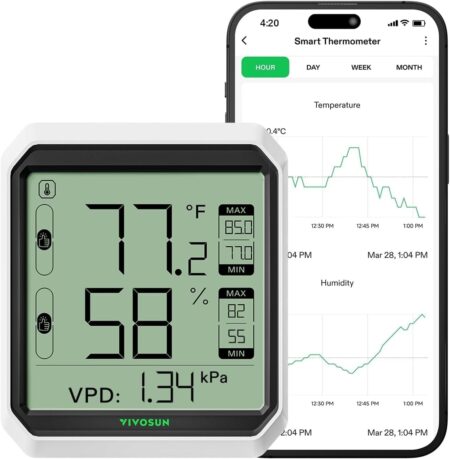
VPD affects cannabis plant “transpiration” on the leaves, which is a critical part of photosynthesis which turns light into energy. Poor transpiration can cause unwanted side effects such as stress, slow growth, and over-sensitive plants.
High VPD – plants lose water fast, because the air is so dry.
- Dry air “pulls” more water out of leaves.
- Must water more often as the plant drinks a lot.
- Plants prone to stress and tip burn.
Low VPD – plants “drink” water slow, because the air is so humid.
- Air is already “full” of water, so doesn’t “pull” much from the leaves.
- Must give less water, because water doesn’t move well through the plant.
- Plants may droop as if overwatered, and leaves may curl or get brown scorch marks.
Happy healthy cannabis plants are green and perky

Why Do Cannabis Growers Care About VPD?
VPD affects transpiration on the leaves, which can affect your cannabis plants in various ways.
- how fast plants “drink” water
- water movement through the plant
- nutrient uptake
- growth speed
Measurement of VPD is valid science, and can truly tell you a lot about your cannabis plants. But…
What’s More Important than VPD to Weed Plants
Remember this, cannabis wants about the same environment as a human. On a practical level, this mental model serves you better as a grower than chasing any particular number on a device.
- Warm but not hot, with a gentle breeze.
- If it feels hot, cold, or muggy to you, it is too hot, cold, or muggy for weed.
- Think beautiful spring or summer day, and you’re golden.
If it feels comfortable for you, it’s probably good for your plants.

Why VPD Obsession is Overrated for Cannabis Growers
I feel like lots of growers get obsessed with VPD, in part because companies like AC Infinity and Vivosun (which both make excellent cannabis growing supplies) market VPD-based solutions to growers. But that can leave growers confused if your numbers are “right” and buds are not developing well, or buds are growing big and tight even though VPD is “out of range”.
Let me quickly cut through the marketing speak so you know exactly how VPD can be a tool for cannabis growers, but not the be-all-end-all solution.
VPD when it comes to home cannabis cultivation:
- VPD is a tool, not a panacea – VPD is a tool to help you understand what’s going on in the plant. But there is no “perfect” VPD for growing cannabis because optimal environment depends on several factors (including stage of life).
- Most VPD charts are not based on cannabis – Most “optimal VPD” studies were conducted on plants other than cannabis (often lettuce).
- VPD charts don’t consider bud quality – Optimal VPD measurements are typically based on leaf transpiration and stomatal function, not what resulted in the best bud quality in the flowering stage for cannabis plants. Sometimes the tightest, smelliest, most potent buds develop in conditions outside of recommended VPD levels.
Follow what works to grow weed – Cannabis rewards you for keeping your environment in the right ranges (70-85°F/20-30°C, 40-60% RH at first, and 50% RH or less after buds form if possible). That might not result in the “correct” VPD, according to whatever chart you’re looking at, for whatever plant it was tested on, but this proven range is what home growers have found produces the best weed growth and bud density/potency/smell/yields.
Chart 1 – Best temperature for cannabis plants.

A cheap laser temperature gun lets you point at any spot and instantly check the temperature, so you know how the leaves or buds are “experiencing” heat. These devices are so nifty. I highly recommend getting one simply because it’s fun to be able to point at things and see the temperature in real time.
Instantly check the temperature of leaves and buds with a temperature gun.

Chart 2 – Best humidity for cannabis plants.

An Aerolab or similar device makes it easy to monitor the environment.

Get the environment right while buds are forming, and cannabis plants reward you with epic bud quality.
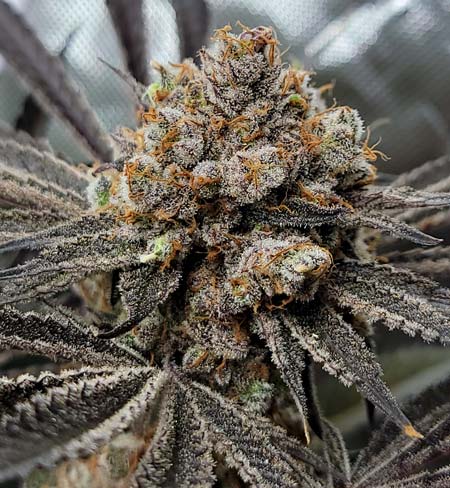
Conclusion: VPD Matters, but don’t obsess over it
As long as you keep your temperature and humidity in range, especially as buds are forming, you can rest assured you’re giving your plants exactly what they need.
Proven Environment = Better Buds
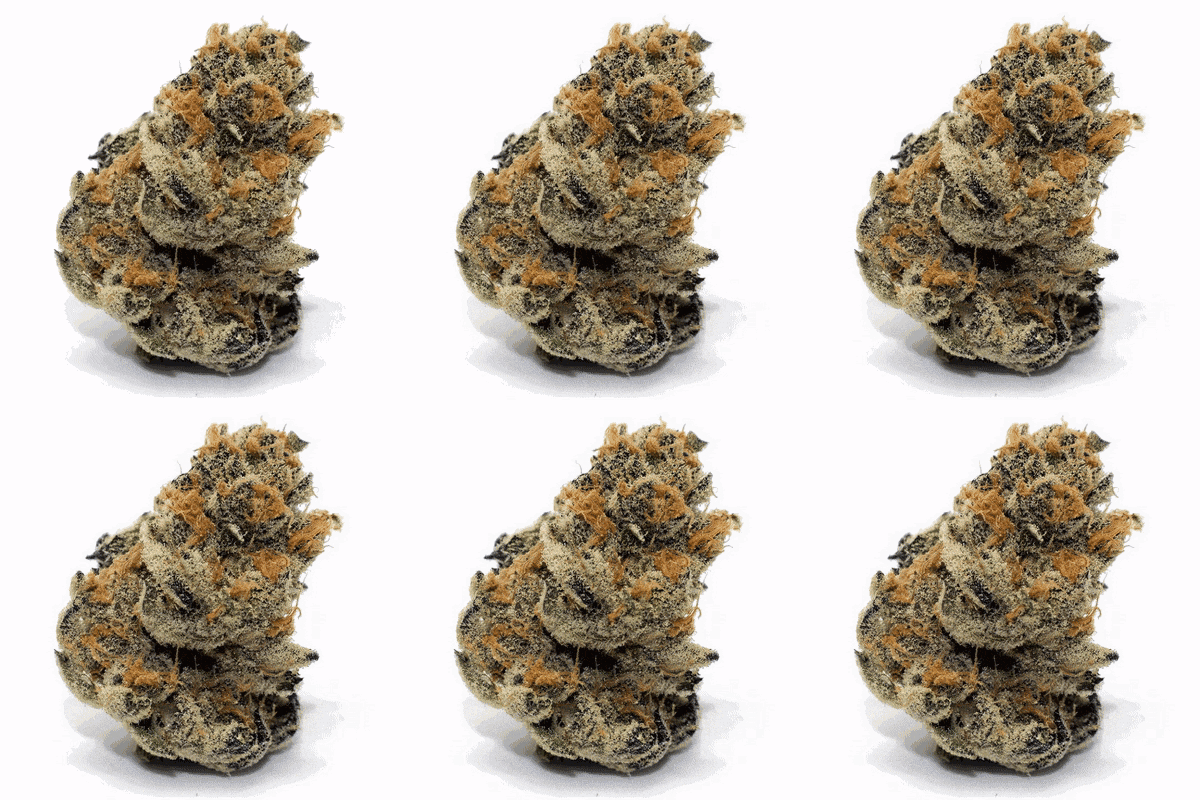
For most home growers, a consistent environment that feels comfortable to you keeps your grow in the “sweet spot”.
More coming next week, including a simple way to keep your plants happy and pristine without any gadgets.
Happy Growing,
Nebula Haze
GrowWeedEasy.com
Monitor VPD, temperature & humidity in your grow room
Here’s a neat, cheap tool that lets you monitor VPD, temperature, and humidity, even while you’re away.
An Aerolab lets you monitor the temperature and humidity remotely.
