by Nebula Haze
What Happens if You Grow “Hermie” Seeds?
Did you find seeds in your buds even though no male plants were around? “Hermie seeds” refer to seeds you find in your cannabis buds without the presence of male cannabis plants. Here are trustworthy feminized seeds that always grow buds but never grow seeds.
Can you grow seeds from a hermie cannabis plant? Yes, but there are pros and cons.
Home Grow Tip: Start with trustworthy feminized seeds (here’s a list of good ones) to ensure every plant makes seedless buds. Save yourself the headache!
Cannabis buds with no seeds = “sinsemilla”
(higher THC and better to smoke than seedy buds)

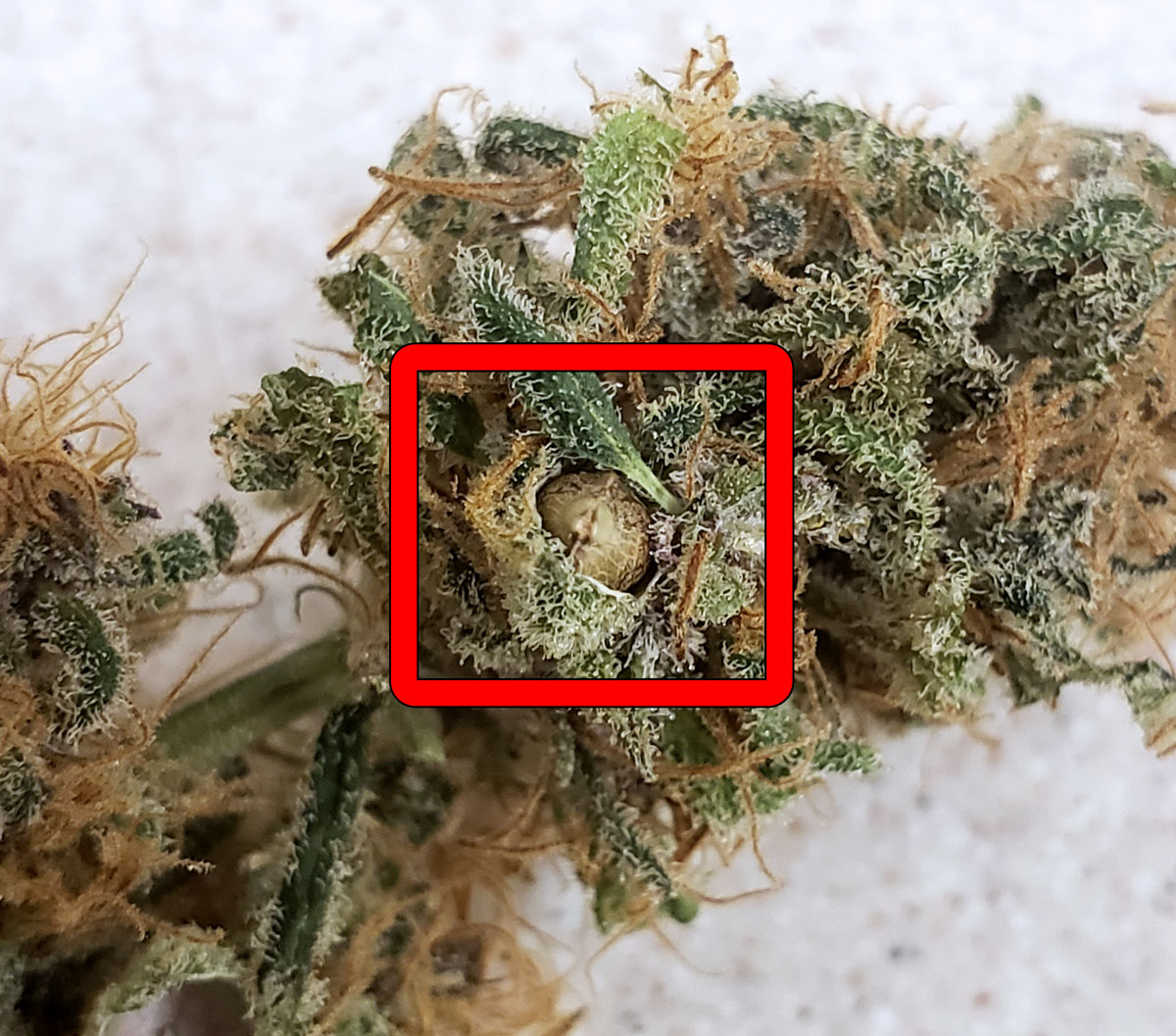
When you find your homegrown buds have seeds even though zero male plants were in the vicinity, it means a female plant “hermed” (showed hermaphrodite tendencies).
The herm plant released pollen onto surrounding buds, causing seeds to grow. Hermie seeds can appear even if you don’t see any visual signs of herming like pollen sacs or bananas.
Hermie seeds: No male plant was around, but you find seeds in the buds anyway.
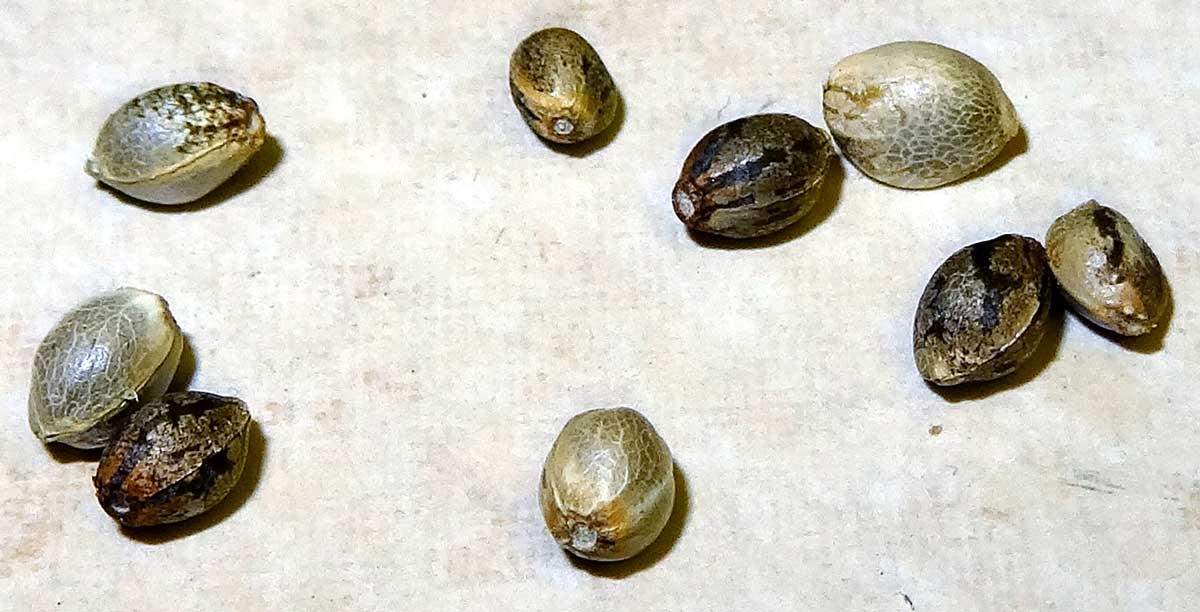
But what happens if you grow the hermie seeds from a hermed plant? Will it cause problems? Keep reading to find out!
Here is what cannabis growers can expect when growing hermie cannabis seeds:
Pros
- Free Seeds – These are seeds you find in your buds. Cannabis seeds cost money, and getting free seeds without any effort is appealing.
- All-Female Plants – If both parents were female (at least mostly female), as is the case with herm seeds, all resulting cannabis plants will be at least mostly female and grow buds. In a way, herm seeds are unplanned, naturally-formed “feminized” seeds.
Cons
- More Likely to Herm – Unlike professionally feminized seeds (which are created with a special chemical process), hermie seeds come with more uncertainty. Although the resulting plants may or may not show any signs of herming, unfortunately the chances are higher. That’s because for each herm seed, herming is in its genetics.
With high-quality cannabis seeds, plants usually only herm under major stress like nutrient deficiencies, light stress, heat stress, unusual light cycles, etc. With really great genetics, plants won’t herm under any conditions. But a seed from a hermie parent is more likely to herm even in perfect conditions.
The plant went through extreme stress, so it was no surprise to find seeds.

Why growers don’t want cannabis seeds that are more likely to herm:
- Higher Chance of More Seedy Buds – Again, it is possible your buds won’t grow seeds, but seedy buds are more likely. This is because the genetics came from cannabis plants that produced seeds without the presence of a male plant. Even if you don’t see evidence of plants herming, like pollen sacs or yellow hermie bananas on the buds, the buds may have seeds in them after harvest.
- Possibly Worse Yields & Bud Quality – If buds get a few seeds, it won’t affect your yields or bud potency much. But seeds take energy to grow. If your plant grows tons of seeds because it herms, you’ll end up with smaller buds that may have lower potency or smell than expected. Sadly, when growing hermie seeds, it’s impossible to know ahead of time what you may end up with.
- Unknown Genetics – Just like starting with any other bag seeds (seeds you find), hermie or not, you don’t know how the plants will grow. Although it may seem like herm seeds would be an exact clone of the “mother” plant, that’s not how it works, due to the genetic reality of herming. Unlike starting with seeds from a trustworthy breeder, you can’t know what to expect as far as how the plant grows, how long until it’s ready to harvest, the bud structure, smell, potency, etc. It’s really the luck of the draw.
Sometimes you don’t see pollen sacs or banana, but still get hermie seeds. Female plants that produce seeds without visible pollen sacs or bananas are “hidden herms”. These plants often went through some kind of stress, but not always. Regardless, if seeds are there and no male plants were around, the resulting seeds are herm seeds.
This plant suffered from severe light stress. There were no signs of herming, but buds still grew hermie seeds.
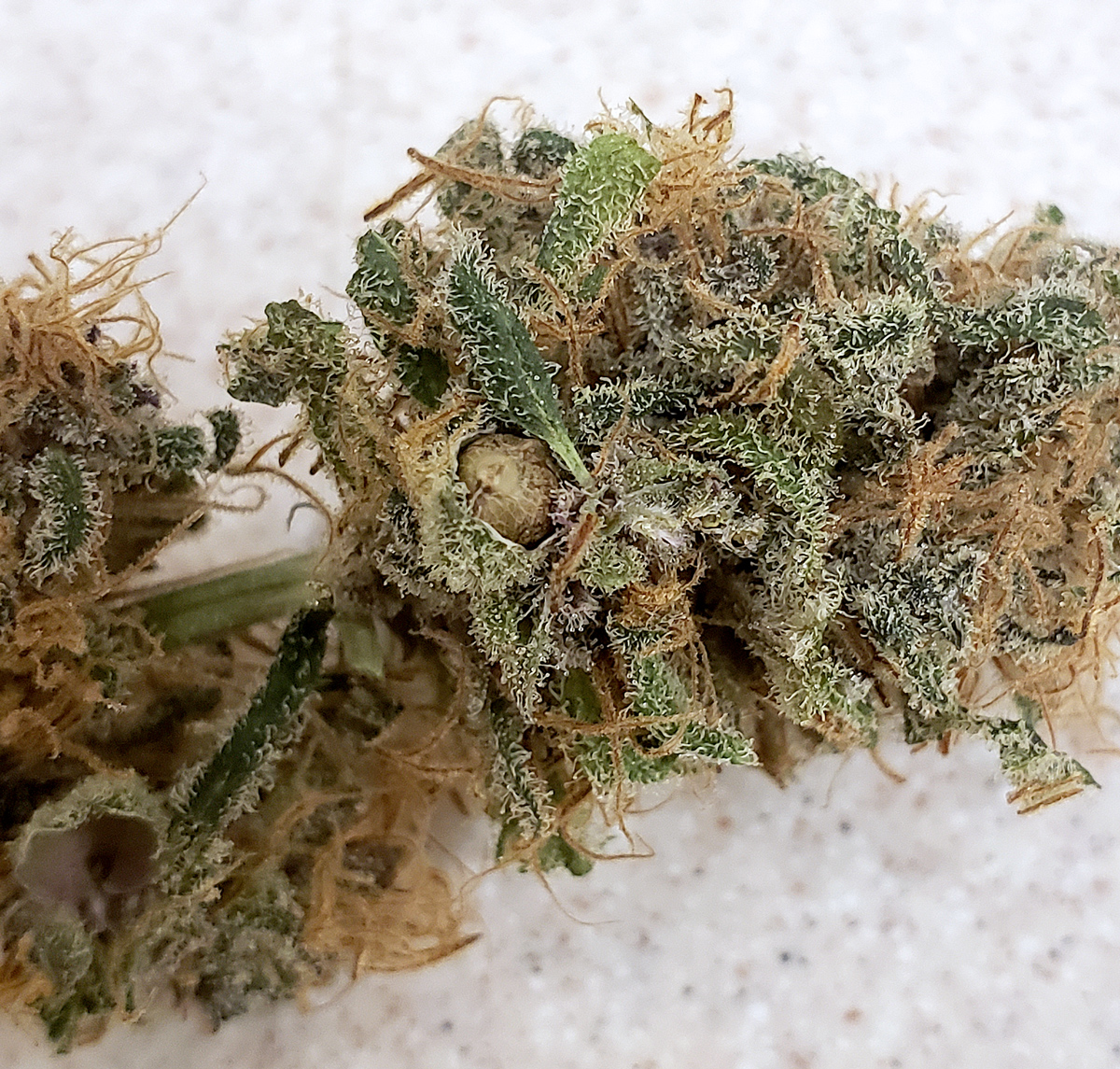
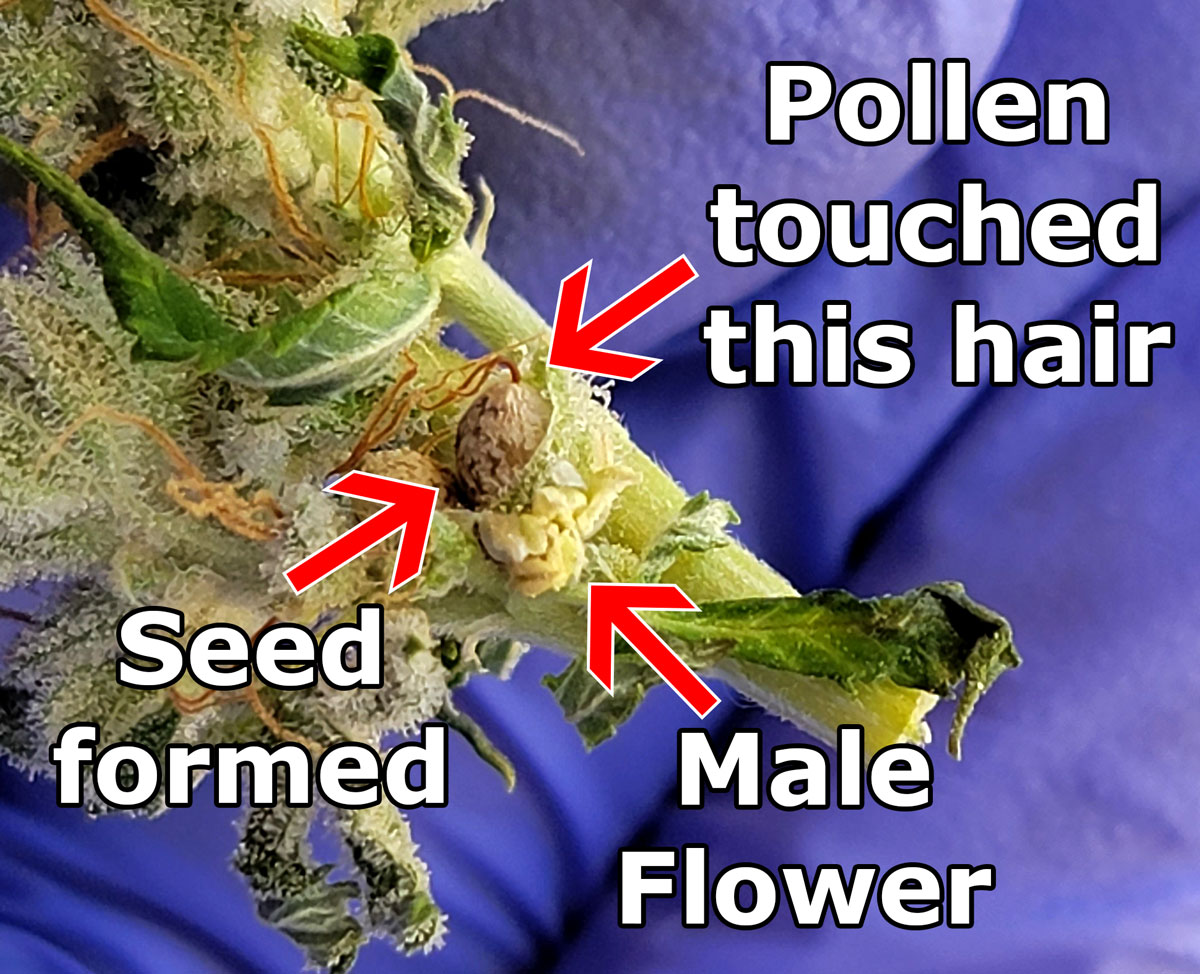
Often you can find symptoms of the herm.
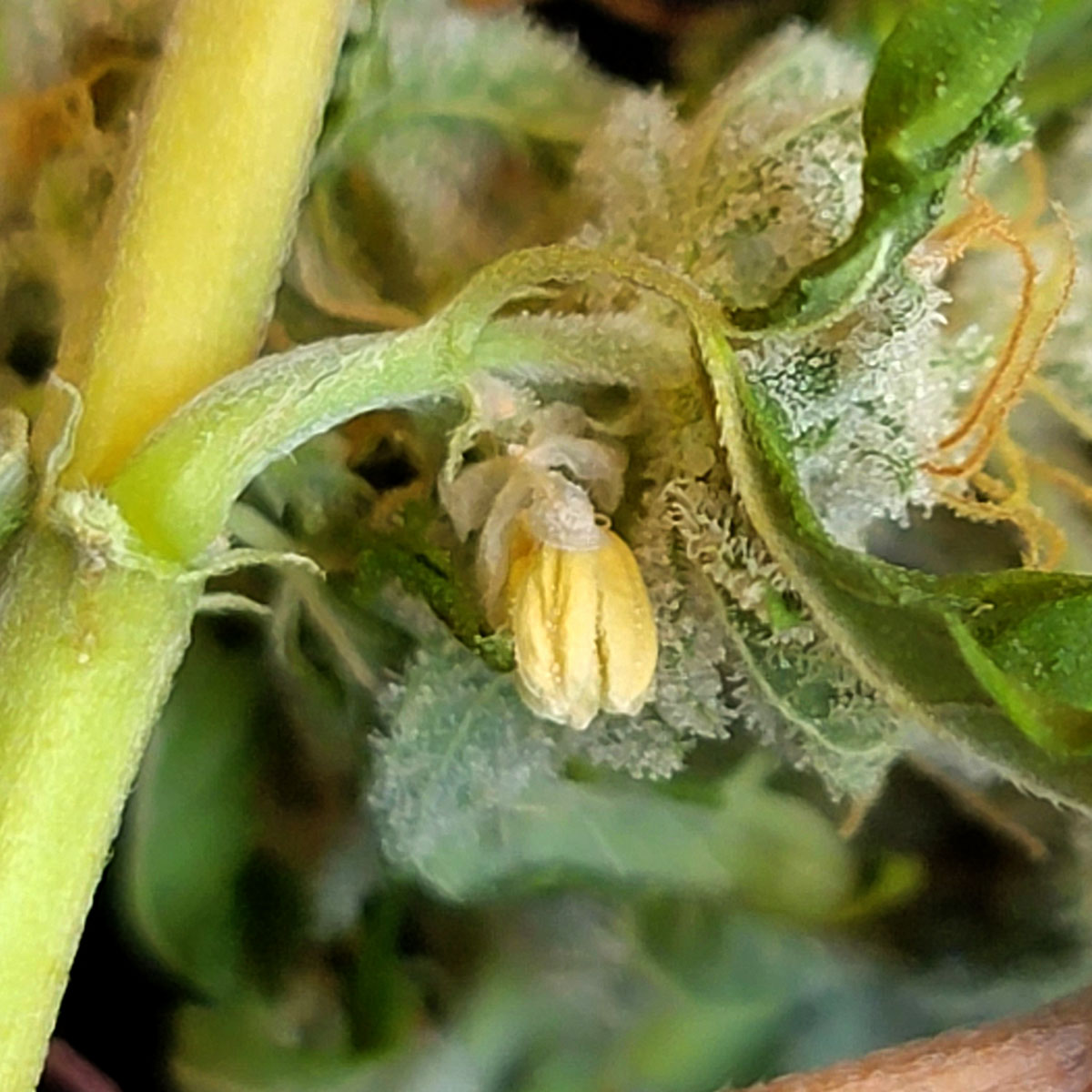
Here, there is a male flower right next to the seed that formed. (click for closeup)
Growing Hermie Seeds: Summary (What cannabis growers need to know)
It’s clear to see why growers would want to grow herm seeds. They’re essentially free seeds that appear with no effort, and grow all-female plants. That’s appealing.
The main downside to growing herm seeds is that you’re more likely to end up with more hermie plants and seeds in your buds. If it’s just a few seeds in your buds, most home growers wouldn’t care. But seeds take away from the size and potency of buds. If your buds produce tons of seeds, you’ll end up with very little bud to smoke, and it will be less potent than it could be. On top of that, you won’t know what to expect as far as how the plant grows or bud quality until the grow is over.
Related Article: What causes cannabis plants to herm?
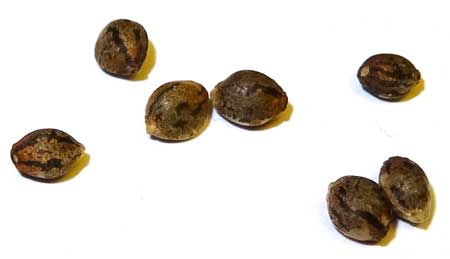
Hermie seeds look the same as regular cannabis seeds, but they’re more unpredictable.
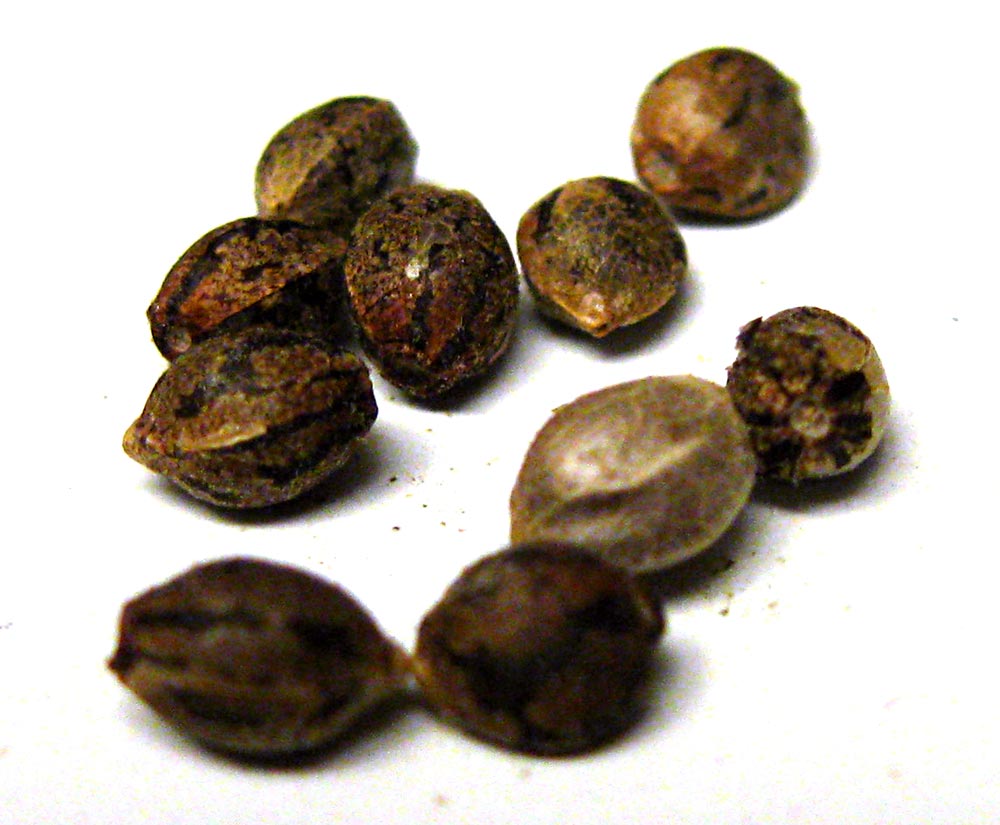
What happens when cannabis growers use herm seeds anyway?
If you’re wondering what happens when growers try to grow hermie seeds, you’re not alone. Lots of growers have given it a shot.
Let’s explore what happens!
First off, there are plenty of fans. I’ve talked to growers who only use hermie seeds and never buy new ones. They aim to breed a line of plants that always herms just a bit. Enough to make a few seeds each generation. That way they get a steady supply of free seeds without having to deal with male plants. The downside is every generation always has at least some seeds in their buds. A few seeds is probably not a big deal for most home growers. But if things go wrong, you may end up with tons of seeds. Buds that are very seedy can be a pain because they drop seeds everywhere, and seedy buds tend to be smaller with lower bud potency.
Pollen, pictured here, is what causes seedy buds. Pollen can come from a male plant or a hermie plant.
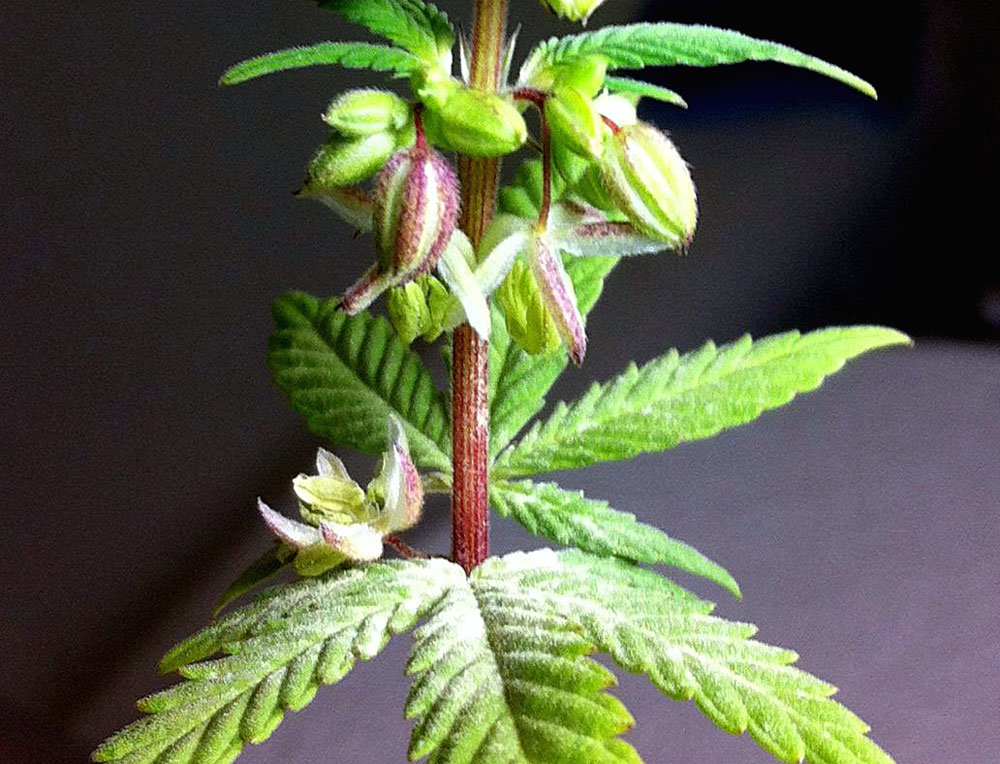
So what can happen from growing herm seeds? The main risk is the offspring herming like its parent.
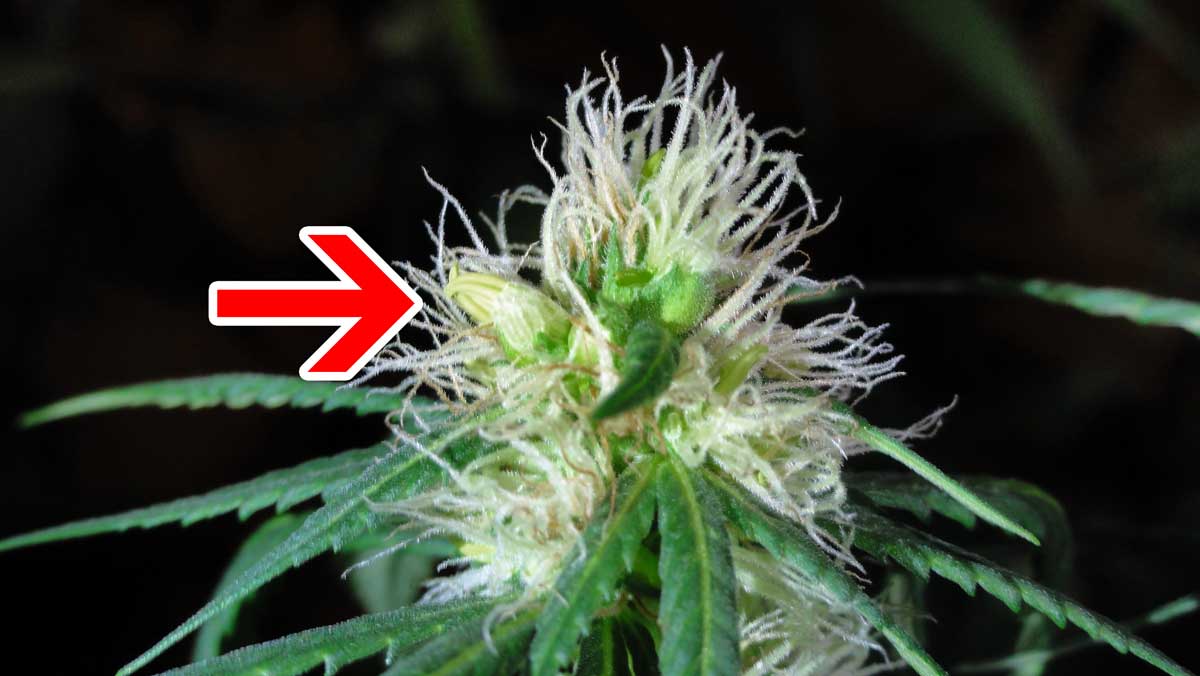
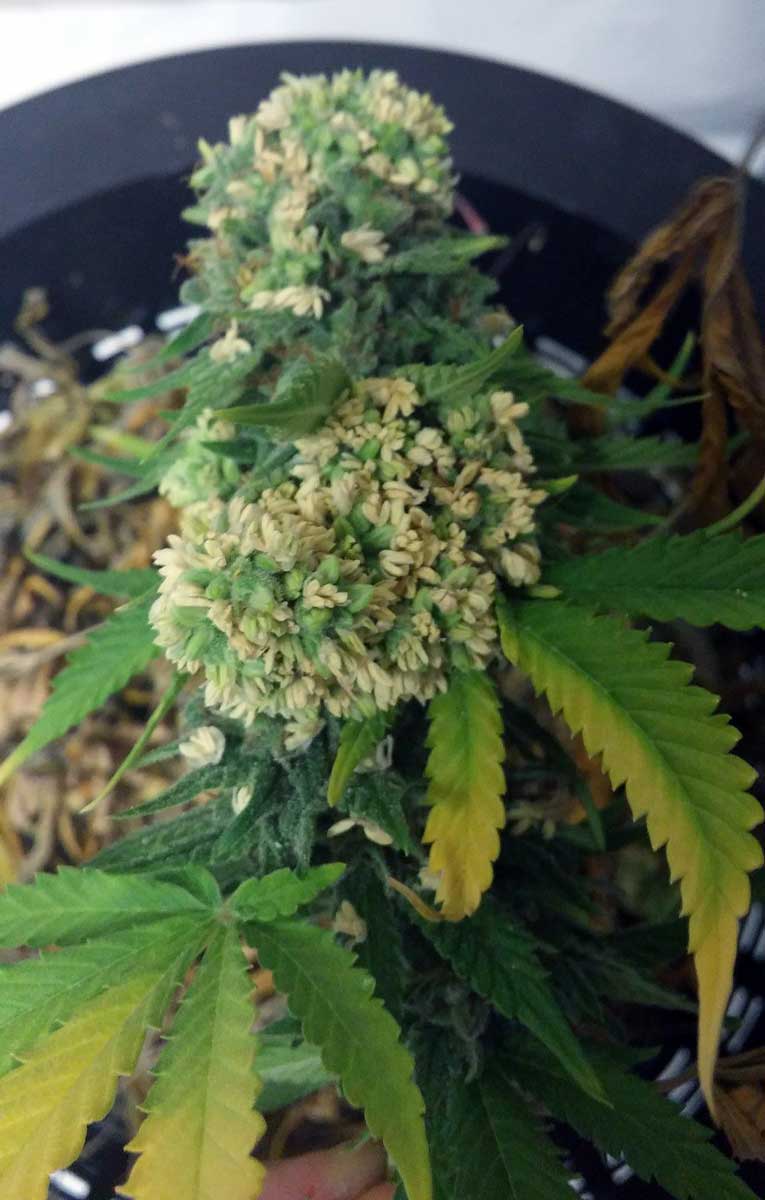
Notice how there are little yellow growths in between the white hairs in these buds? This is a common type of cannabis herm. Each of these yellow “bananas” releases pollen. If your buds grow tons of bananas while buds are early in the flowering stage like this, you could end up with hundreds or thousands of seeds in the surrounding buds.
Yellow “bananas” are a common form of herming.
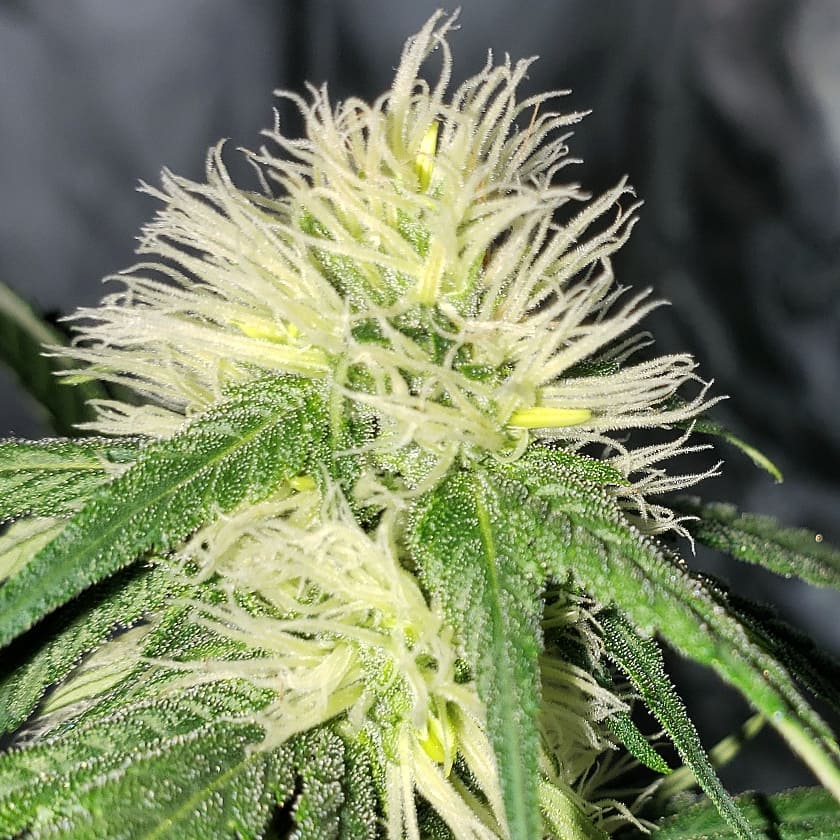
This next bud is absolutely stuffed with seeds, due to a major herm in the grow room that went unnoticed. There’s little bud left after all the seeds are shaken out. No cannabis grower wants this to happen by accident!
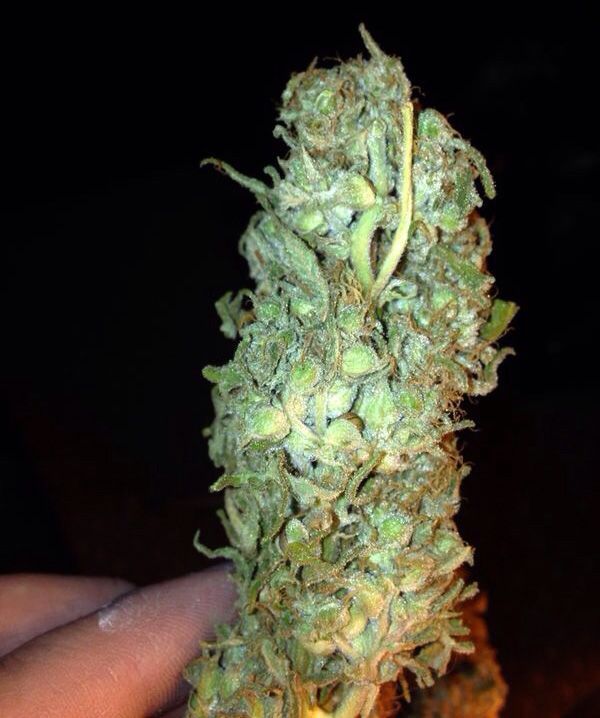
However, if a herm plant only grows only a few bananas or pollen sacs that release only a little pollen, you may only get a few seeds or no seeds. If the herm happens late in the flowering stage, you may not get any seeds. That’s because seeds need several weeks to form. You typically only get fully formed seeds if a cannabis plant herms relatively early in the flowering stage.
A single lone banana won’t make many seeds, especially this late in the cannabis flowering stage.
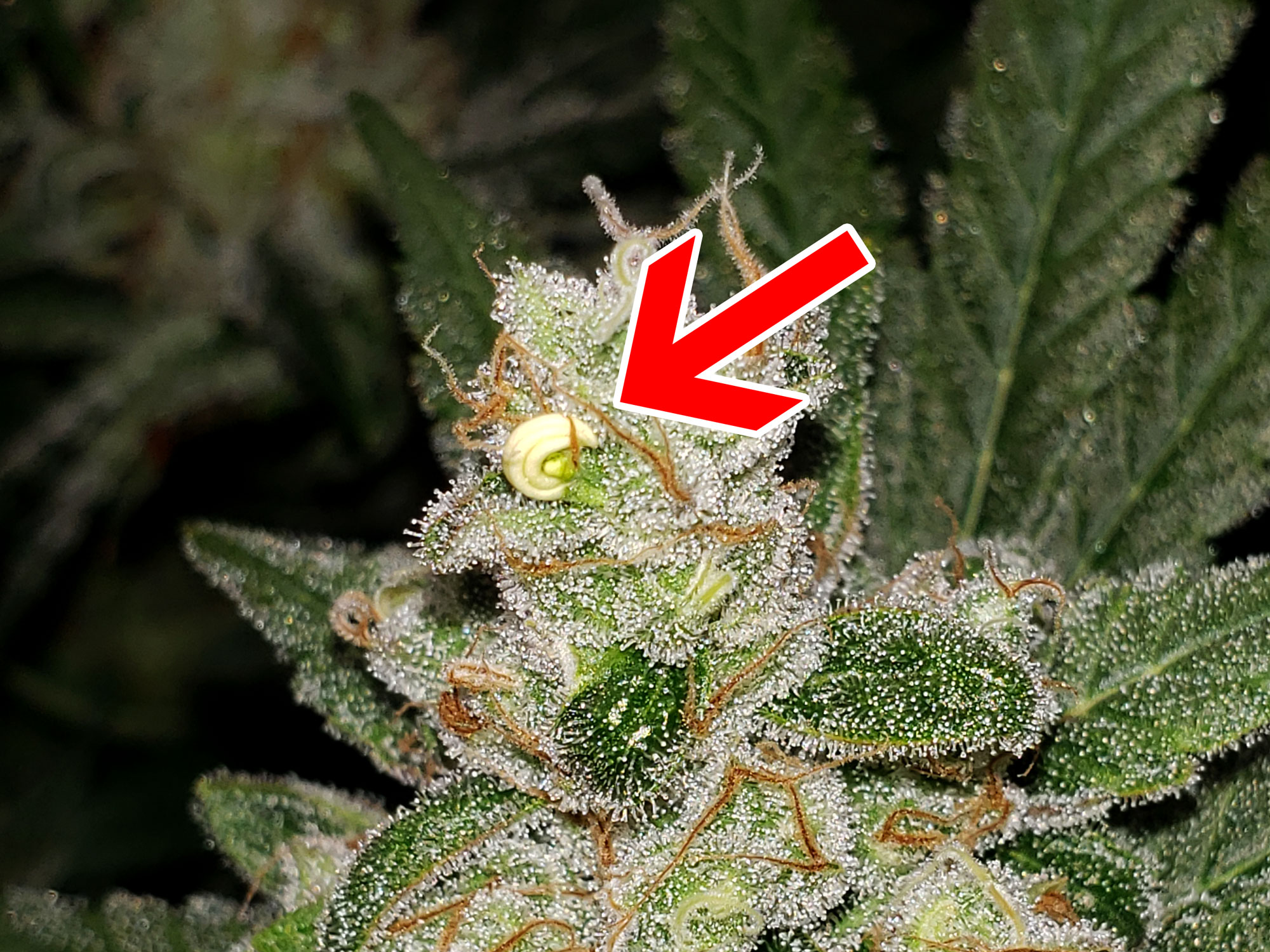
If your hermie seeds grow buds like the first examples with tons of pollen sacs or bananas, you’ll likely end up with tons of seeds. If a hermie plant grows buds like the second example, you may end up with good buds that have very few seeds. Or the buds may not herm at all and you get perfectly seedless buds. It’s all a part of the genetic lottery you’re playing when growing the offspring of herm plants.
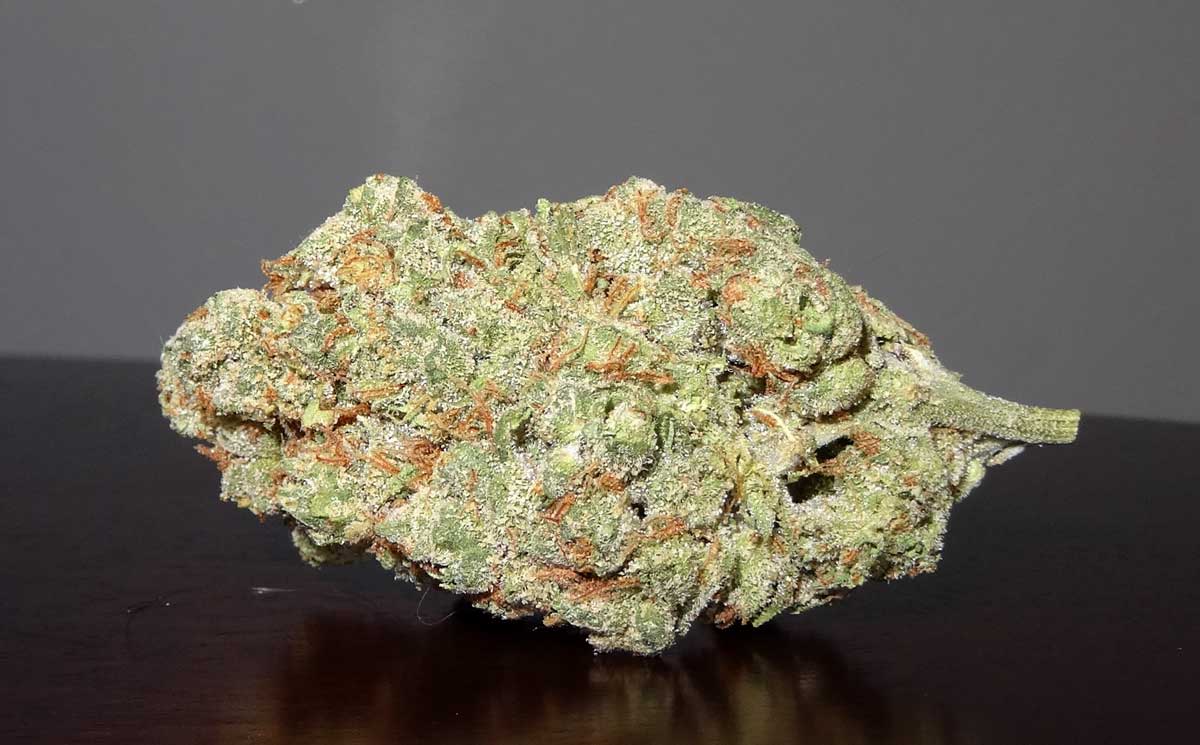
The main takeaway is this: good results are possible with hermie seeds, but you’re increasing your risk of running into problems.
If you want to read an example of a grower getting good results with hermie seeds, check this out.
Fascinating Experience from a GrowWeedEasy.com Reader
Greg, a grower from Australia, recently wrote about his experience growing hermie cannabis seeds.
He grew 8 feminized seeds indoors. In his words, “Unfortunately, the grow room underwent some heat stress early in the flowering stage, which resulted in one of the eight plants herming. Naturally, this seeded up most of the rest of them.”
He decided to try germinating 14 of the resulting hermie seeds. To his surprise, all 14 plants grew into healthy females without any signs of hermaphroditism or seedy buds. He stated, “They have all grown out quite nicely. I have not come across a single seed. The buds are dense, so dense you could hammer a nail into them. And trichome production has been excellent, they are sticky like nothing else.”
His hermie seeds grew these beautiful plants.
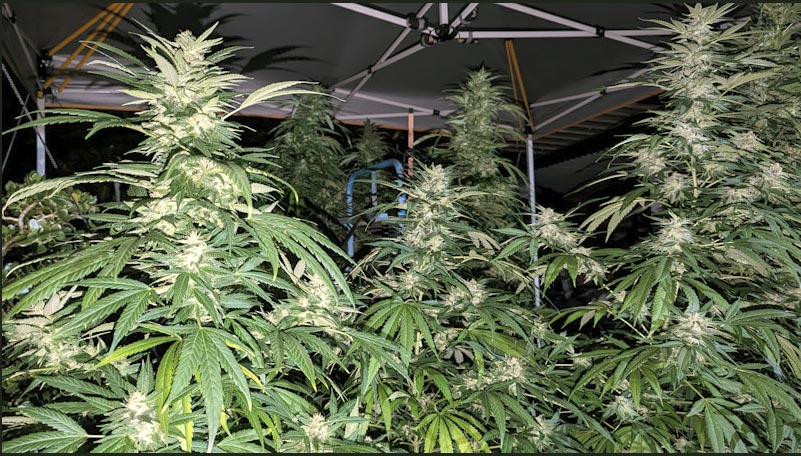
Greg said, “I had hypothesized that they would not be feminized and that they would all be hermaphrodites, I’m quite pleased to learn that I was wrong on both counts.”
He mentioned that in the past he had a different experience, “All my previous experience with hermies and the resulting seeds has only been more banana throwing hermies. Those genetics were all bagseed from the shallow gene pool here in Australia though. This last one was the first hermie I have seen since I started purchasing seeds from Seedsman.” He promises to let us know what happens if he tries stressing out a plant on purpose with heat to cause it to herm on purpose.
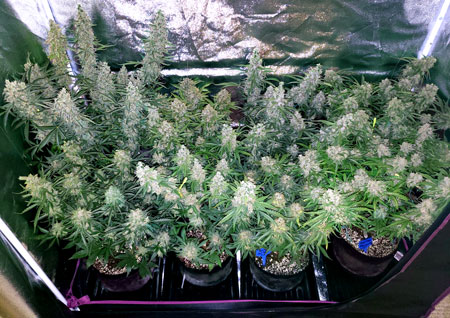
Here are the plants from Greg’s experiment at harvest.
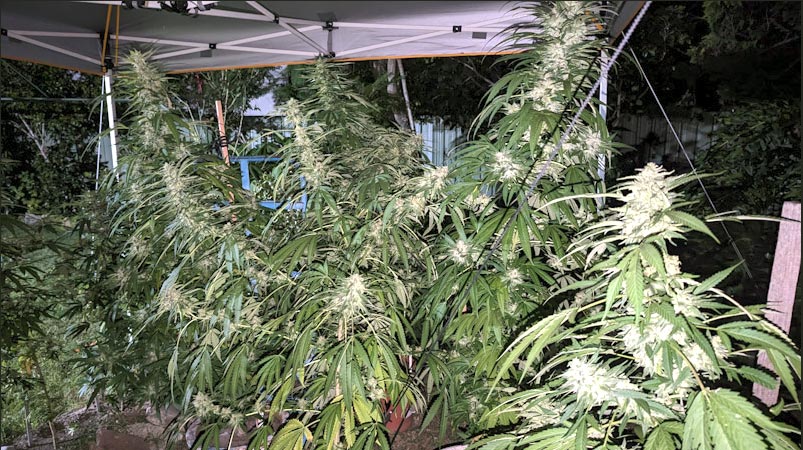
Greg had different results with these hermie seeds compared to his past experiences, which ended in disaster. It seems he may have found a set of genetics that only herms in stressful conditions. Or perhaps the tendency to herm under stress was not passed down to these particular seeds at all.
These plants are an example of when growing hermie seeds goes “right”. The resulting plants grew dense and frosty buds without any seeds or other problems.
Greg’s experience shows that hermie seeds don’t always produce seedy or banana-filled buds. With the right genetics and stress-free conditions, it’s possible to get quality female plants from seeds made by a hermie mom plant. It just goes to show there can be a lot of variation when it comes to the hermie trait being passed down.
Related Article: Do Feminized Cannabis Seeds Make ‘Hermie’ Plants? [Sometimes]
Frequently Asked Questions
Why are they called “Hermie” cannabis plants?
“Herm” or “hermie” is a common nickname for “hemaphrodite”, and hermie seeds come from a plant that grew buds like a female plant, but also pollen like a male plant.
Whether it comes from a male or herm plant, pollen gets on nearby buds and causes seeds to grow. But herms are especially tricky because you may only see the buds and not notice any signs of herming until pollen has already been released.
Learn more about hermie plants.
Male flowers (“pollen sacs”) can look somewhat like traditional flowers when they open up.
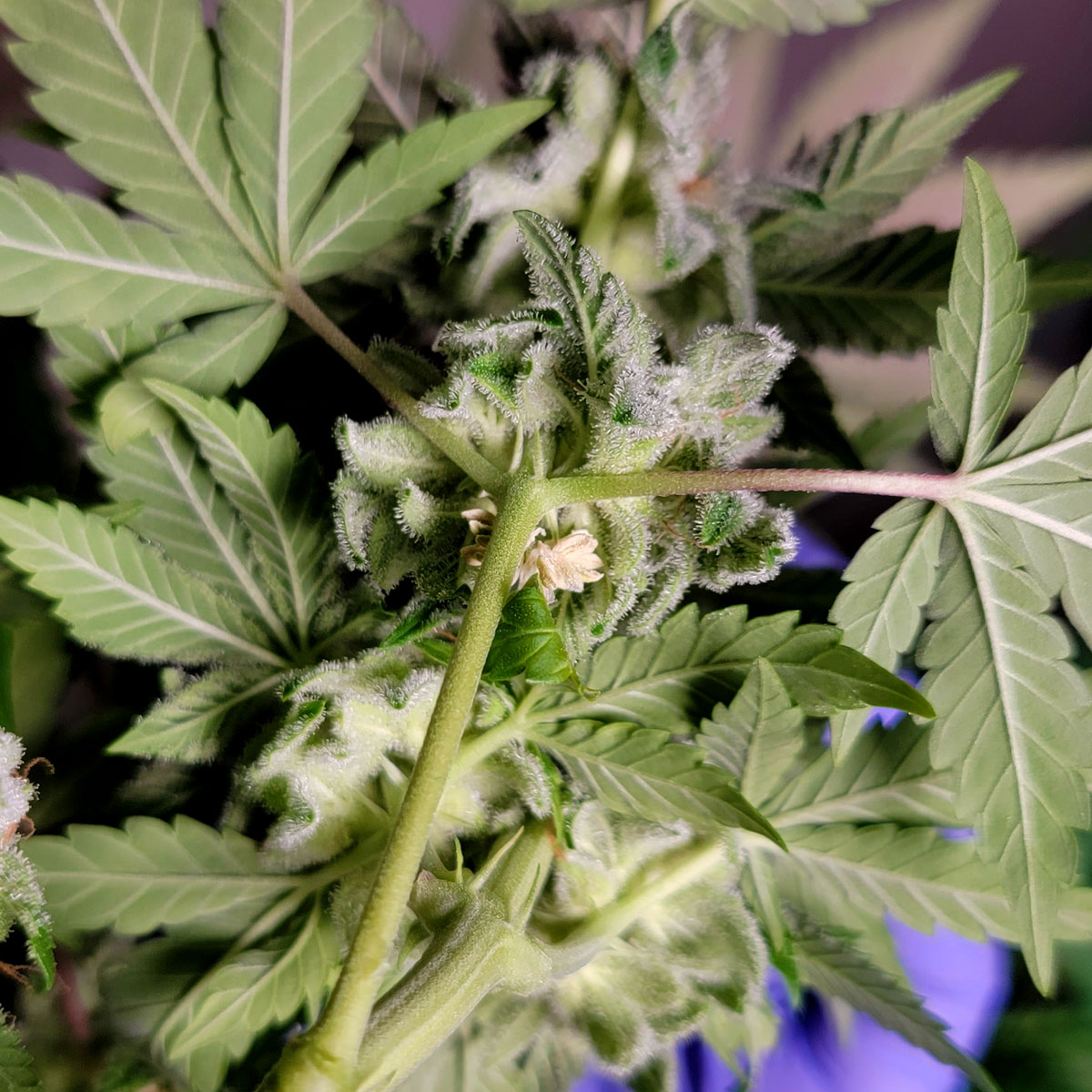
Closeup of a herm “banana” among the buds. By the time you can see yellow, it has usually already released pollen.
What causes hermie plants?
Cannabis plants become hermies in 3 ways:
- Genetics – Some plants herm no matter what you do, due to their genetics. There’s nothing growers can do about this kind of herming.
- Stress – Some plants may only herm if they experience a lot of stress. That could include irregular light schedules, heat, high humidity, certain flowering supplements, and other stressful conditions. However, the best cannabis strains are ironclad and won’t herm no matter what.
- Chemicals – Spraying healthy young cannabis plants with certain chemicals like colloidal silver or gibberellic acid forces them to grow pollen sacs instead of buds. The resulting pollen is used to make commercial feminized seeds.
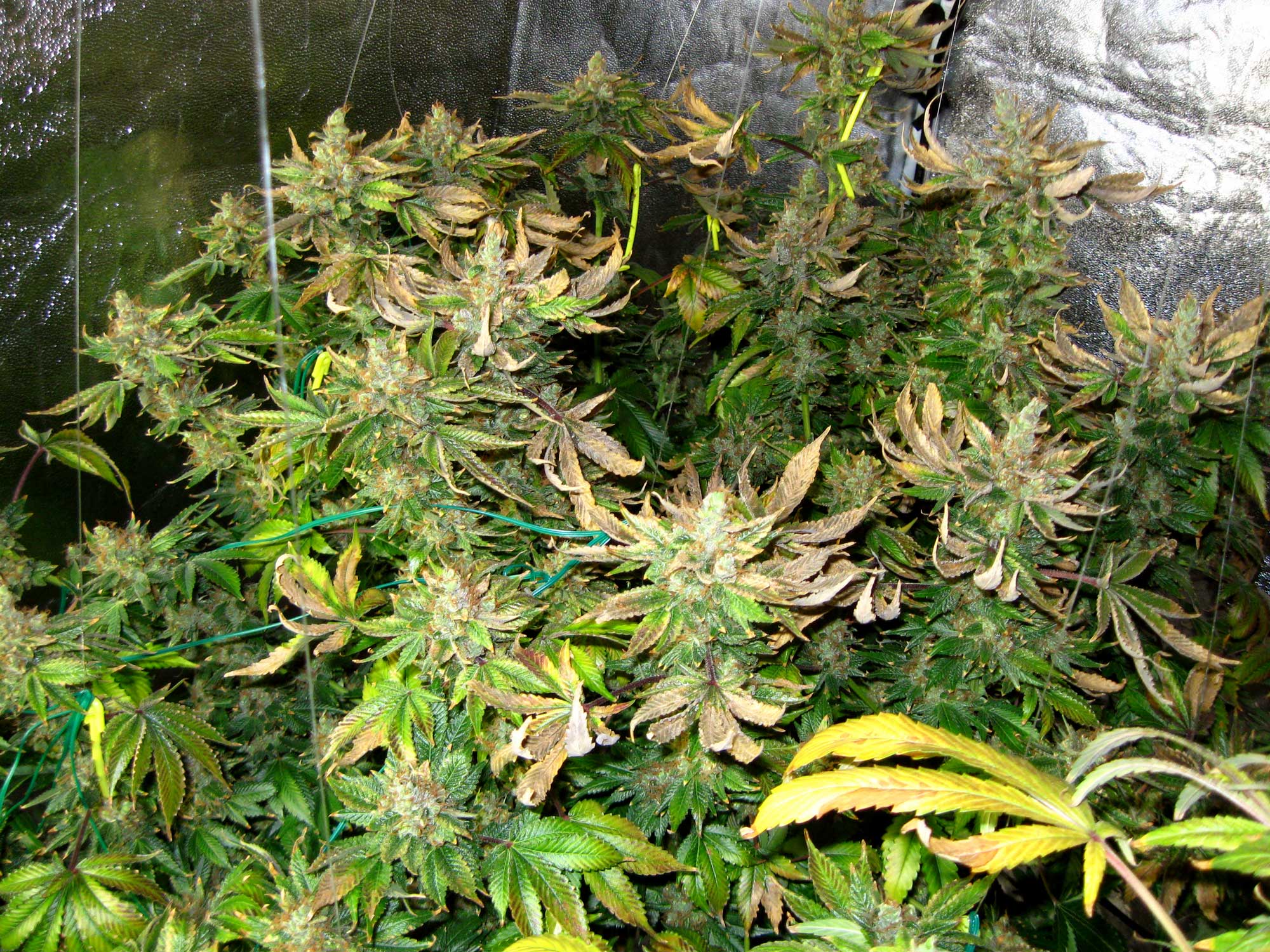
Stressed plants are more likely to herm.
How do I prevent hermie plants?
The best way to avoid growing hermie cannabis plants is to start with good genetics from a trustworthy breeder. Good feminized seeds don’t herm no matter way. On top of starting with good genetics, you should take care of your plants and try not to stress them. Lastly, take a second to look at your buds every day, and keep an eye out for signs of herming so you catch it early and quickly dispose of the offending plants.
Watch out for pollen sacs or yellow growths among your buds!
Why did I find seeds in my buds even though the plant didn’t herm?
Sometimes you don’t see pollen sacs or banana, but still get hermie seeds. Female plants that produce seeds without visible pollen sacs or bananas are “hidden herms”. These plants often went through some kind of stress, but not always. Regardless, if seeds are there and no male plants were around, the resulting seeds are herm seeds.
This “hidden herm” suffered from severe light stress. No visual signs of herming, but buds still had seeds.
How do breeders make feminized cannabis seeds?
The feminized seeds you buy from breeders are created when growers use chemical means to force a female plant to herm. They use that resulting pollen to make the seeds. Since each “parent” plant is a female, and without a male in the mix, all the resulting seeds are all female. As long as the breeders are careful to only choose plants that never herm in natural conditions, the resulting seeds are unlikely to herm.
This female plant was forced to make pollen sacs using colloidal silver. This “feminized” pollen is used to create all-female seeds.
Will herm seeds always grow like the parent?
No, expect variation from herm seeds! It’s intuitive to think that herm seeds are essentially a “clone” of the parent plant. But that’s not how it always works. Why? Pollen and buds each receive a random set of chromosomes from the parent plant.
That means herm seeds might turn out like the original plant, but they might not. The more genetic diversity in the recent history of the plant, the more diverse the resulting seeds might turn out. The genes passed down through pollen is not the same as the genes passed down in the buds, even when coming from the same plant.
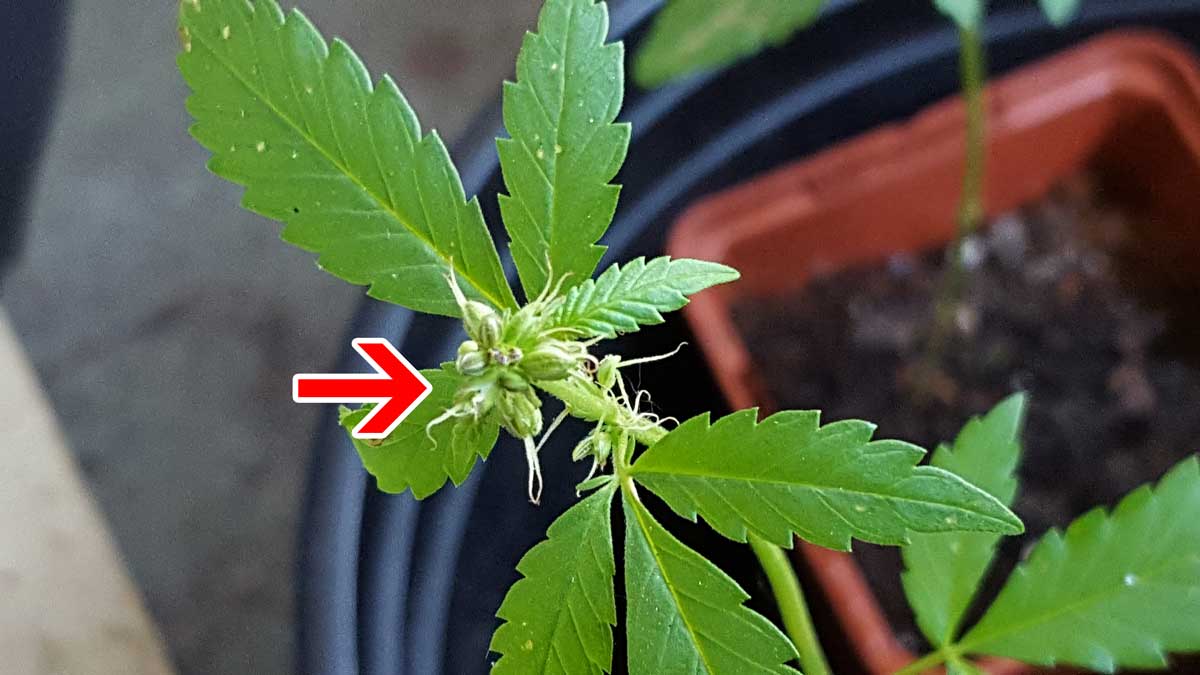
This plant from a herm seed is growing like a male plant with some female flowers. (opposite of a typical herm)
What happens if I grow herm seeds for many generations?
Herm seeds tend to become more consistent with each subsequent generation. Eventually all plants tend to grow in a uniform way due to inbreeding, and become almost like clones of each other. Just remember, the one thing that often becomes most consistent is the tendency to herm each generation.
Conclusion
Should you grow hermie seeds? It depends on you and your situation.
I personally don’t, but I understand why a grower might do it, especially if money is tight. That being said, even expensive cannabis seeds don’t cost much in the grand scheme of a cannabis grow. If you’re going to spend 3-5 months growing a plant, the $100 it costs to buy a bunch of professionally feminized seeds will reward you with plants that grow as expected and produce good yields of beautiful seedless buds. You deserve the best!
Let me know what you think. Have you grown hermie seeds? What happened? Fill out our contact form and let us hear your experience!
~Nebula Haze, co-founder of GrowWeedEasy.com
P.S. Are you seeking in-depth expert guidance for the entire grow process? If so, check out our course below!

🌟 $200 Off Special Offer: Enroll today in Home Grow Masterclass!
Attention Home Growers!
I know you are dedicated to growing the best cannabis possible or you wouldn’t be reading this right now.
Cannabis plants are quite a bit more complex than a regular house plant, but my partner Sirius and I have dedicated years to showing the world that learning how to grow isn’t as crazy complicated as a lot of growers make it seem.
Still, you need to learn this plant’s language if you want to grow high-quality buds and get great yields.
So you could spend years learning the hard way…
Or you can take the shortcut to consistently producing outstanding results by learning from real growers who have done all the work for you.
Our course will show you how to grow a sea of fat, dense, beautiful buds that you feel proud of. At home!
If you simply follow our highly-rated, 5-week course, we give you literally everything you need to know, and walk you through each part step-by-step. Developed by expert home growers and honed with hundreds of students since 2019, our course ensures you’ll achieve great results on your very next harvest.
Learn How To Grow Top-Shelf Weed at Home!
Your buds will be covered in so many THC-filled trichomes they look like this under a magnifier!

This course is recommended for growers who want to go pro with their growing skills. The investment will pay you back over and over via increased yields and saved time/frustration.
If you’re ready to grow professional quality buds at home for as cheap and easy as possible, look no further than this ultimate guide to growing.
Ready to Go Pro With Your Garden? Invest In Your Future Yields Today!
You came at the perfect time.
🌟 $200 Off Special Offer: Enroll today in Home Grow Masterclass!
👉 Start Your First Class TODAY!