
by Nebula Haze
Lately, there’s been new “F1” cannabis seeds appearing in popular seed banks and from trusted seed breeders. Some popular F1s right now include Cherry Punch F1, Purple Oreoz F1, Tropix F1 and Cookie Apple OG F1 Auto. These marijuana seeds offer fast, healthy, uniform growth with predictable harvests.
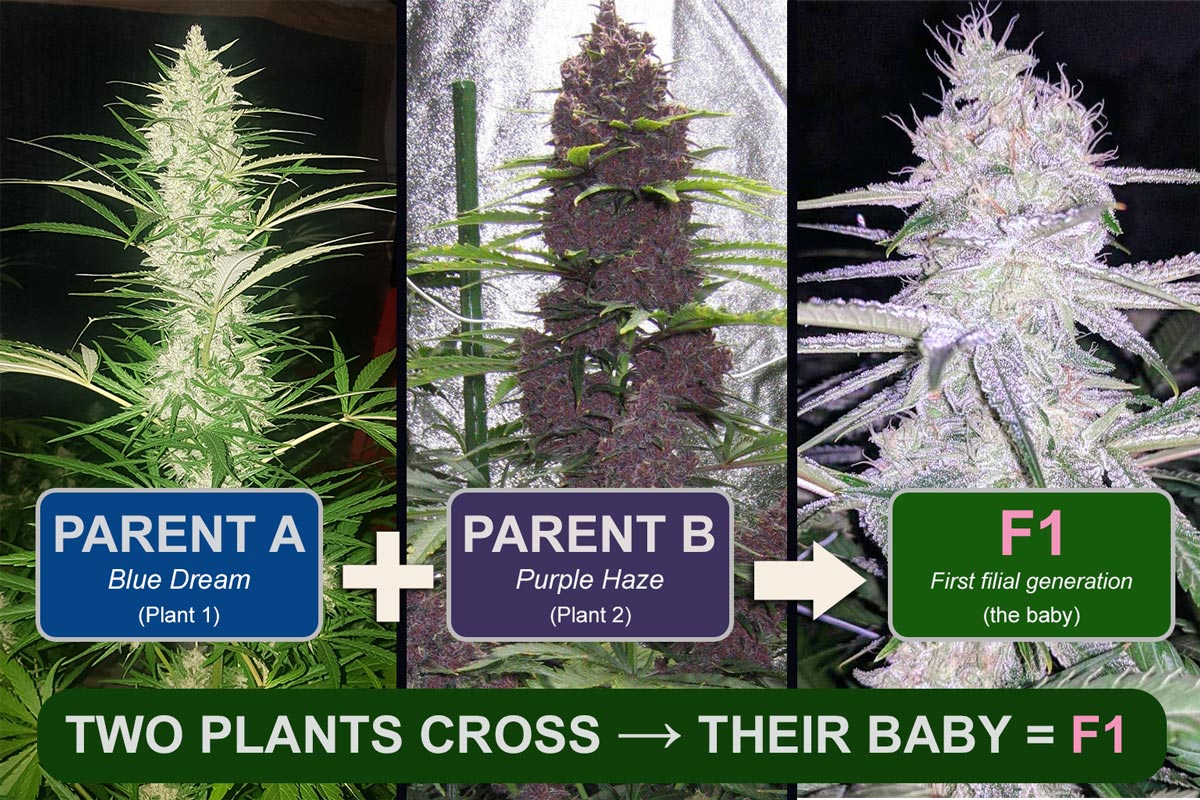
Two cannabis plants make a baby, and their seed is their F1.
The first “F1” seed I ever grew was an Aurora Indica by Nirvana, pictured here in 2013.
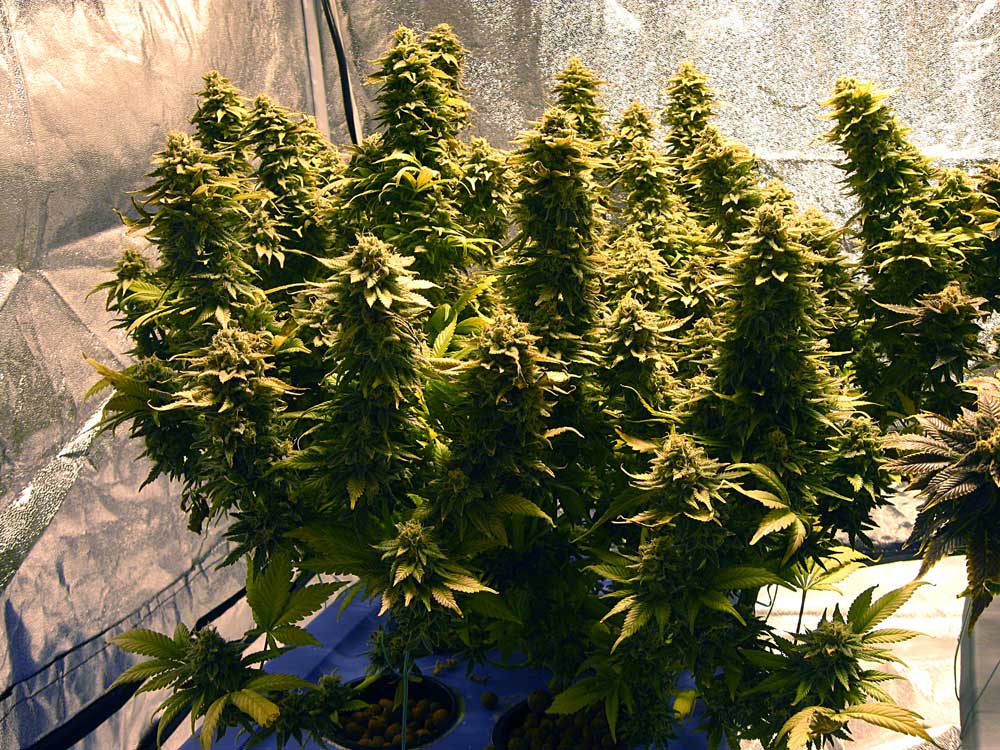
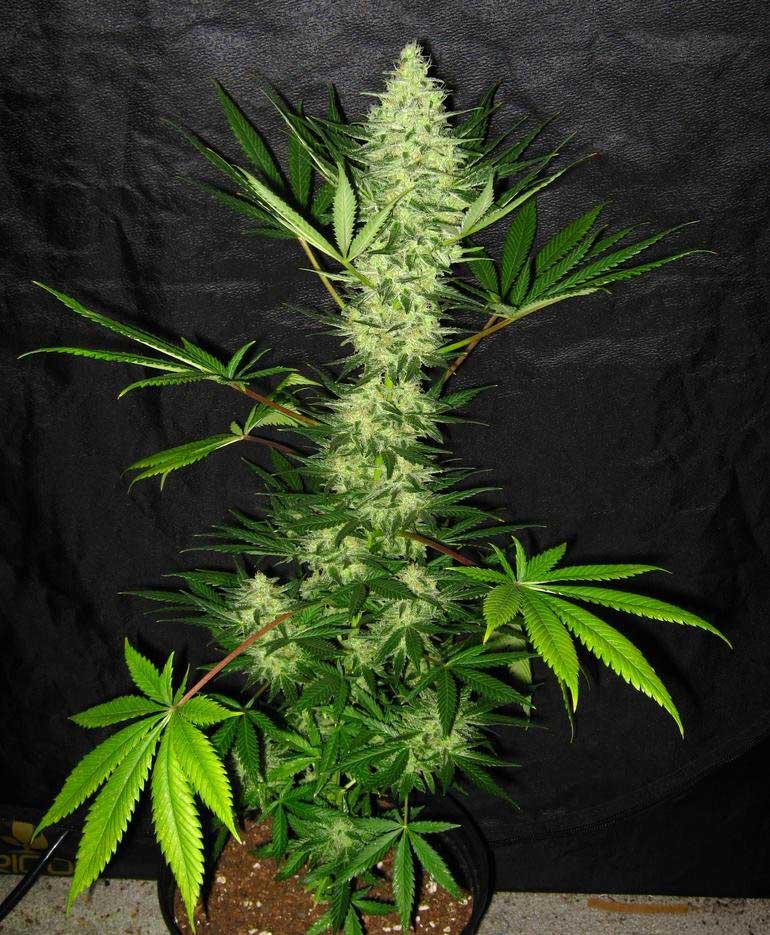
This is an example of the earlier F1-style hybrids that Nirvana and other breeders pioneered in the 2000s. The Aurora Indica F1 seeds produced incredible amounts of weed even on a tiny plant. These days, breeders have taken F1 breeding to the next level.
Aurora Indica F1 seed grown out, from 2014.
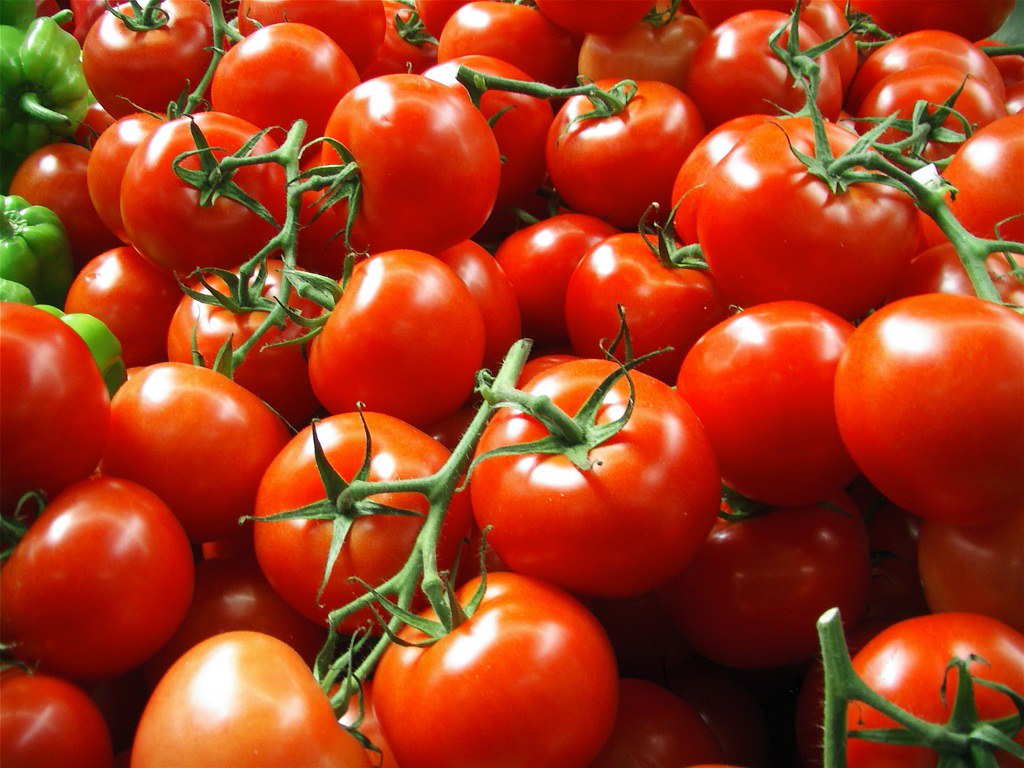
The technique is borrowed from traditional agriculture. At the grocery store, many tomatoes, peppers, cucumbers, squash, broccoli, and cabbage are actually grown from “F1” hybrid seeds.
“F1” cannabis seeds claim…
- “Hybrid vigor” – better overall growth
- Clone-like uniformity – know what to expect
- Strong germination – faster start
- Resistant to stress – less to worry about
- Excellent yields – more weed for you
Sounds amazing, but is it true? Yes, F1 seeds actually can offer those benefits… when developed properly. Read below for an explanation of everything.
But for those who just want the benefits, here are seeds to get and what you can expect from them exactly…
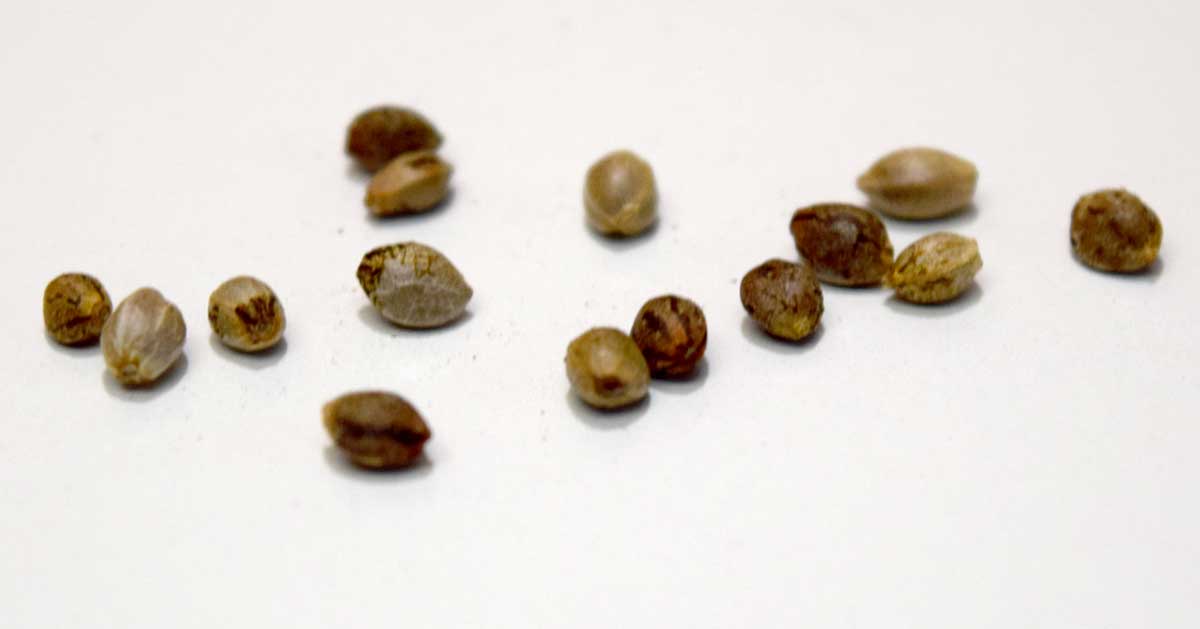
My Picks for F1 Cannabis Seeds
These all come from NASC Commercial Cultivars and Seedsman, who both make great F1 cannabis seeds with uniform growth.
Although F1s perform extremely well indoors, you’ll notice they’re often developed for situations where exact harvest times and uniformity matter, specifically outdoor and autoflower strains.
Autoflower Top Picks
- Cookie Apple OG F1 Auto – Beautiful frosty nugs with a sweet smell, smooth high, and easy to grow. Harvest in 75 days.
- Garlic Muffin F1 Auto – Funky smelling buds covered in resin, super easy to grow, resistant to problems. Harvest in 75 days.
- Sour Pebbles F1 Auto – Super potent dense buds with over 30% cannabinoids. Harvest in 80 days.
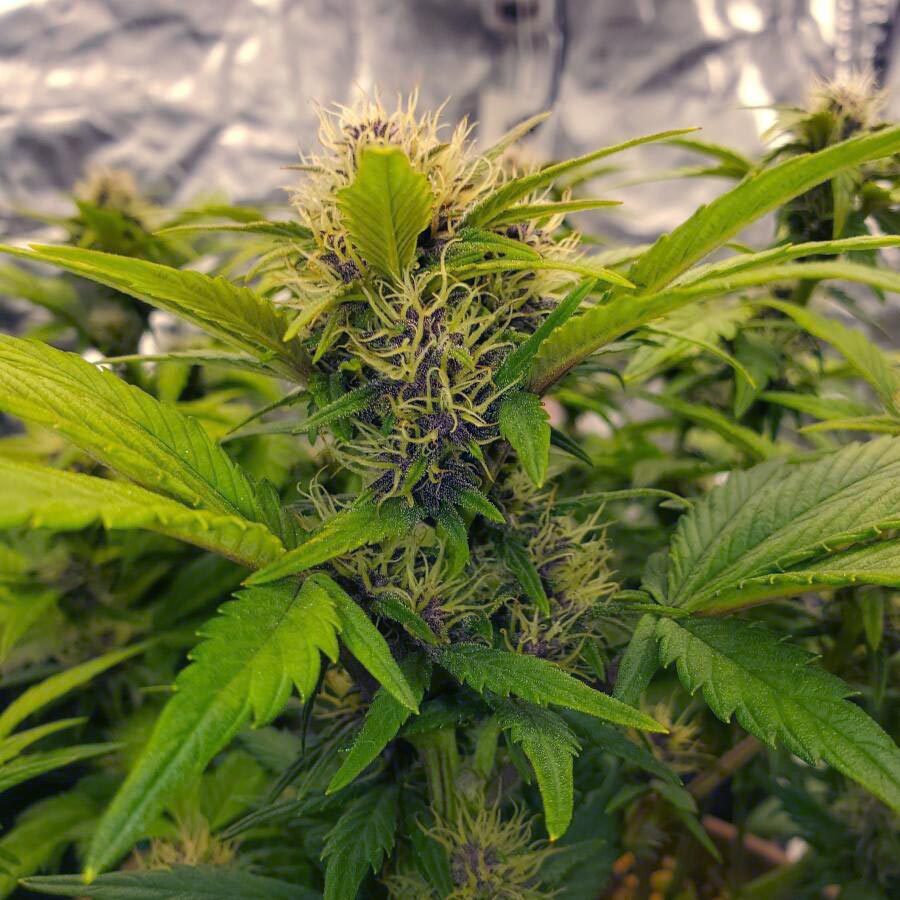
Cookie Apple OG F1 Auto seeds let you harvest captivating buds in under 3 months.
Outdoor Photoperiod Top Picks
- Cherry Punch F1 – Excellent fruity smell, lovely effects, can withstand heat, ready in October (northern hemisphere) or April (southern hemisphere).
- Chocolate Diesel F1 – Sticky buds with very early outdoor harvest, doesn’t get too tall, good resistance, ready by mid-September (or mid-March)
- Gorilla Gas F1 Fast – Sativa buds with early outdoor harvest, good yields, ready to harvest in September (or March).
- Gorilla Jealousy F1 – Can withstand heat, mold resistant, great for extracts, ready in October (or April).
- Purple Oreoz F1 – Indica with early outdoor harvest. Easy to grow with great bag appeal, ready to harvest in September (or March).
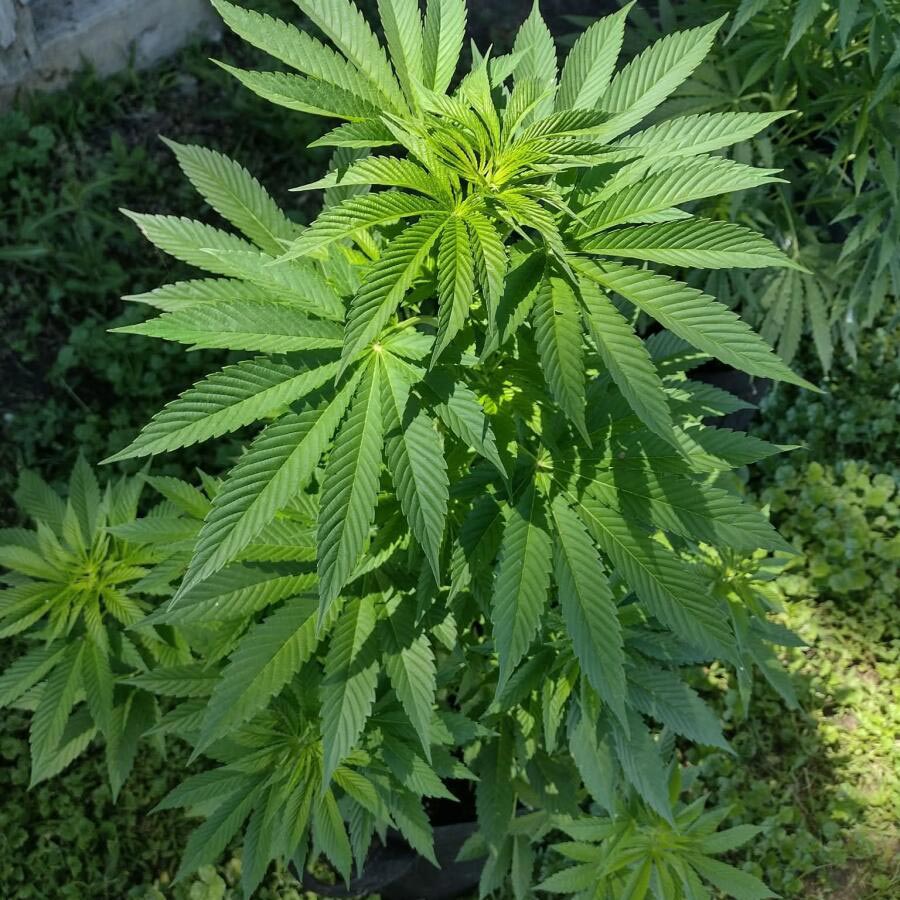
Gorilla Jealousy F1 thrives in hot weather.
But if F1 cannabis seeds are so great, why are they so rare?
Here’s why “F1” seeds are rare online
- Hard to breed – A good F1 seed breeding program that lives up to the benefits takes multiple years.
- Difficult to maintain – F1 seeds come from a pair of clone lines that must be carried on indefinitely.
- Costs more – F1 seeds require extra maintenance to produce on a commercial scale.
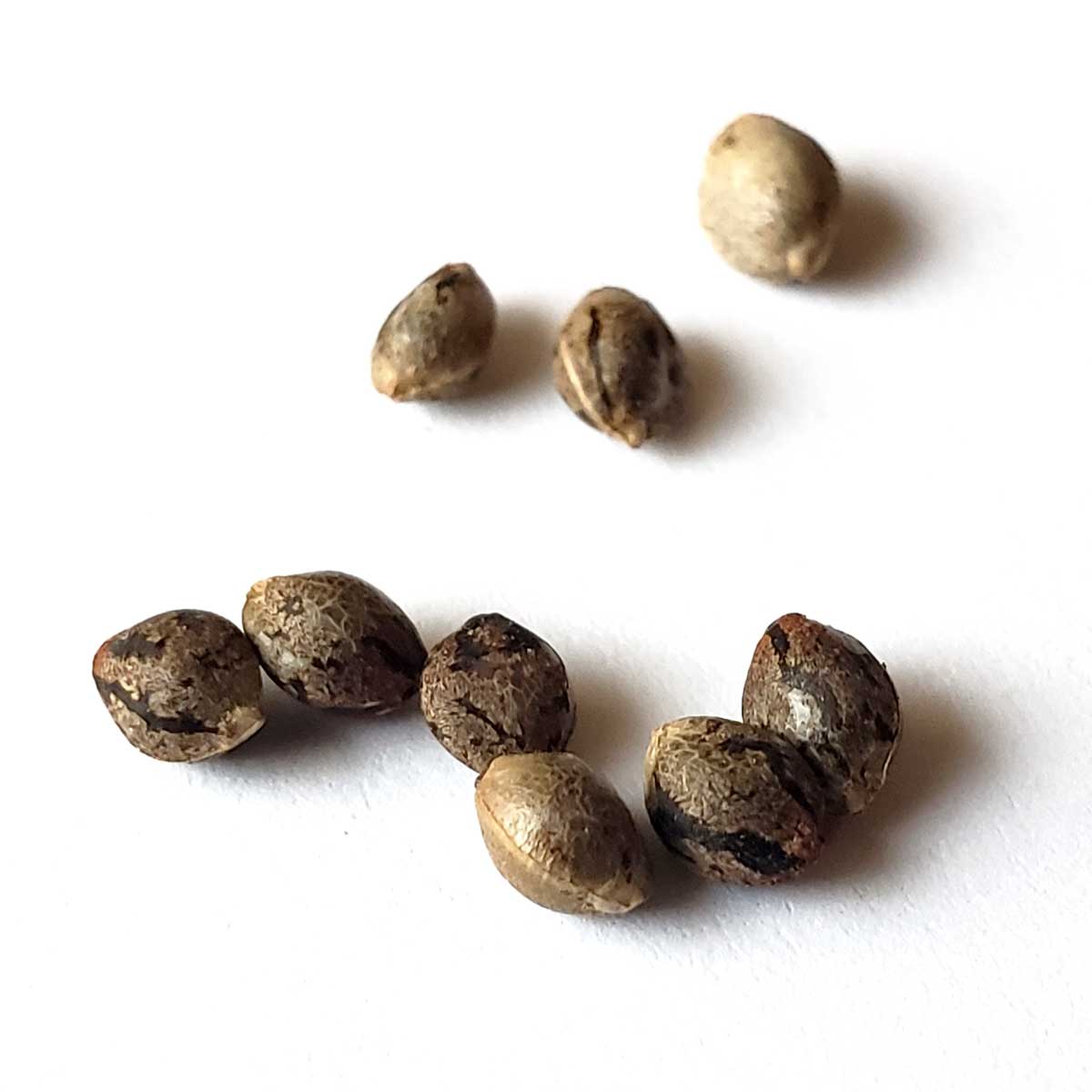
Since F1 seeds are difficult to produce, breeders need a good reason to make an F1 line. Most indoor commercial operations grow exclusively using clones, rarely using seeds. This incentivizes most indoor breeding programs to deal in clones. As a result, F1 seeds are more specialized and boutique. They’re only created by breeders who are specifically creating seeds for growers.
Public isn’t 100% aware yet of the benefits. Some OG brands like Nirvana were breeding F1 strains in the 2000s, but recently there’s been a resurgence in new F1 seeds where breeders are taking this process further to agricultural commercial standards. Especially for outdoor growers where uniformity and predictable harvest times are crucial to the best harvest in your particular location.
What Are “F1 Fast” Strains? What does the “Fast” part mean?
When a strain is listed as being “F1 Fast” it mean that the seeds came from the cross of an Autoflower and a Photoperiod plant. That’s not the only way to make a fast strain (you can breed fast photoperiod plants together), but when you see “fast” combined with “f1” in a seed’s listed name, that’s usually what it means.
These strains tend to be best suited to outdoor growers looking for early harvests so buds are ready before cool or rainy winter weather arrives.
Learn more about FAST cannabis strains here.
Gorilla Gas F1 Fast lets you harvest earlier outdoors
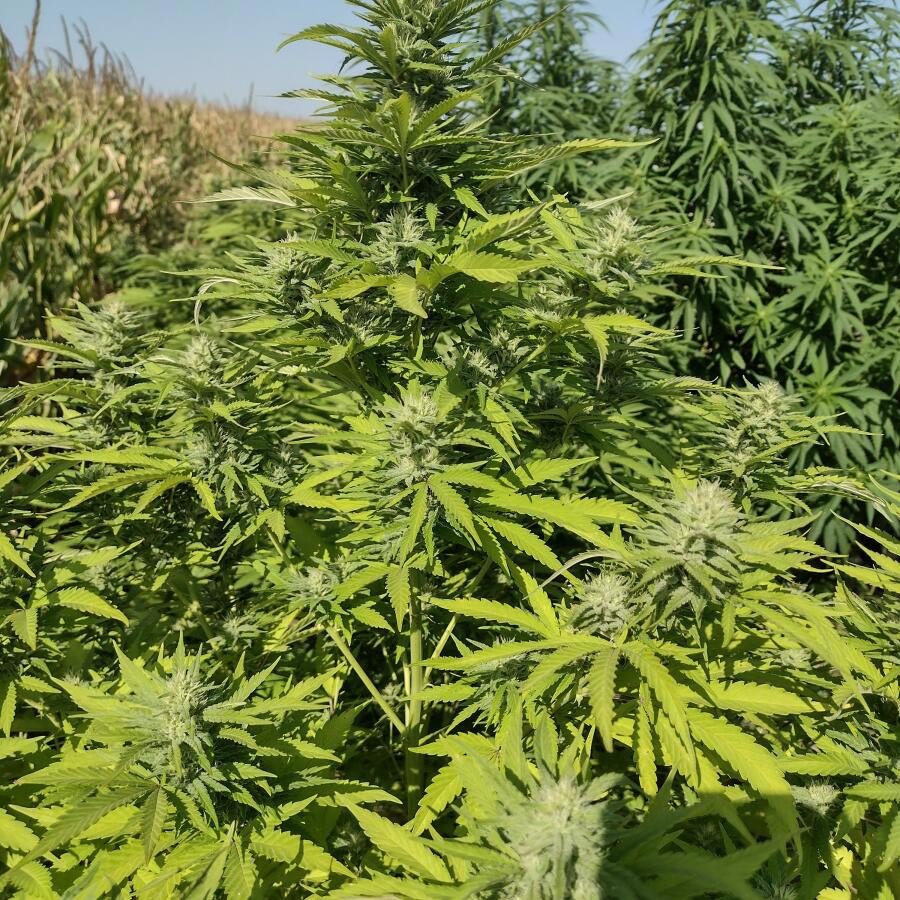
What are F1 cannabis seeds?
Here’s the quick and dirty explanation. Put on your genetics hat on for a second.
Two parents have a baby, this is an F1, the first in the filial generation (first cross between those two parents)
Now translate that idea to cannabis plants.
A Blue Dream and a Purple Haze plant make seeds. These seeds are a Blue Dream x Purple Haze F1.
Two plants make a baby, and their seed is their F1
Ok, but doesn’t that mean every seed is technically an F1 of its parents? Yes. At least from a plant scientist point of view.
Technical F1 vs Commercial “F1 Seeds”
Cannabis breeders often discuss F1s in their breeding programs, even when they’re not talking about “F1” labeled seeds.
This is how the term F1 is used in breeding. Imagine you have a star Blue Dream plant and a star Purple Haze plant (in genetic terms these particular plants are each called a cultivar).
You want to cross-breed these plants, and the resulting seeds are the F1 generation. Then when you’re crossing, it’s easy to keep track of all the lines, because you can clearly label F1, F2, etc.
Modern “F1” Cannabis Seeds Are Tough to Make
When cannabis breeders talk about F1 seeds (where “F1” appears in the seed name), they’re talking about the seeds that come from two particular plants, or cultivars.
Key Point to Remember: “F1” in seed names typically refers to seeds resulting from intentional, stabilized hybrid, typically between heavily inbred clone lines. Not just a random F1 cross.
For example, every Purple Oreoz F1 seed comes from a specially bred Purple Punch clone line, and a specially bred Oreoz clone line.
Every Purple Oreoz F1 seed comes from two particular plants.
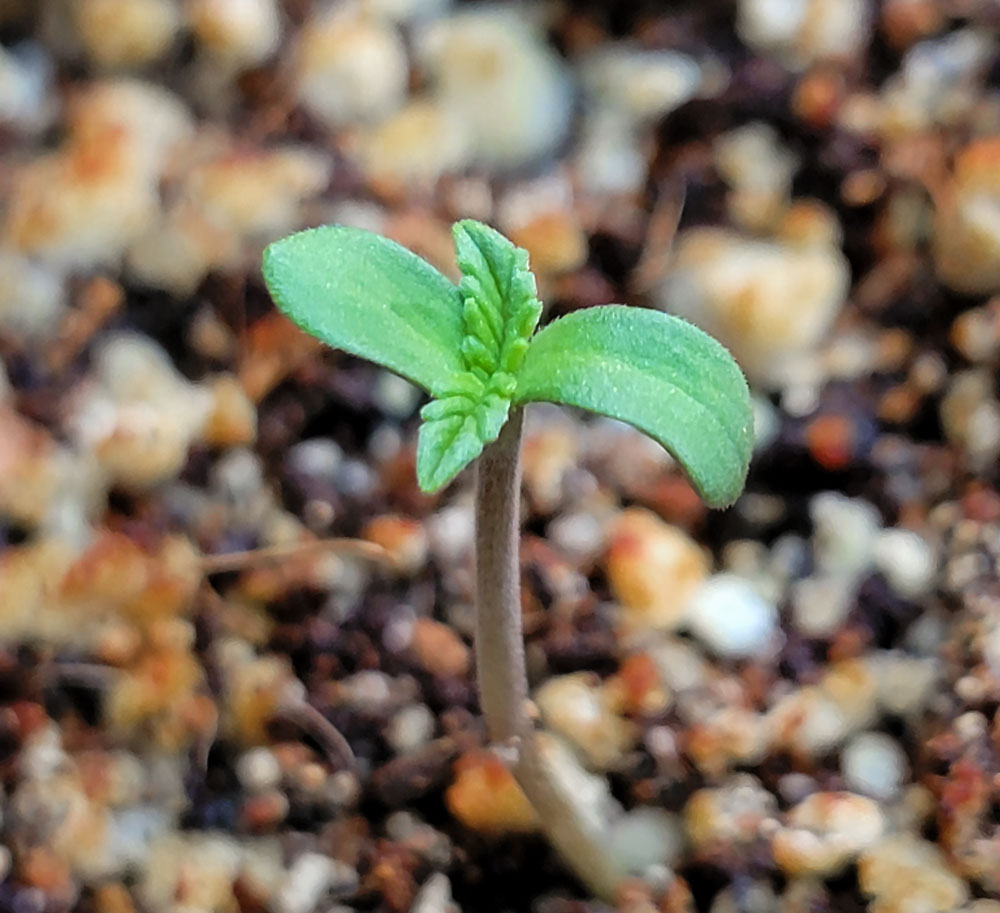
It’s not a cross of random plants of those strains, but always a cross of two particular cultivars. And the breeder needs to maintain those clone lines to continue making these seeds.
Why It’s Hard Part 1: Need Two Unrelated Genetic Lines for Hybrid Vigor
So one of the biggest benefits of using specially made F1 seeds is you get “hybrid vigor”, resulting in plants that are extra hardy, fast to germinate, grow fast, with big yields. Hybrid vigor is the result of crossing two very genetically distinct, stabilized lines. When you cross-breed two plants that are both extremely inbred but separately stabilized, the result is hybrid vigor, known as heterosis in the scientific world. Here’s the wikipedia article on hybrid vigor.
Hybrid vigor has been used by farmers to improve many crops including corn.
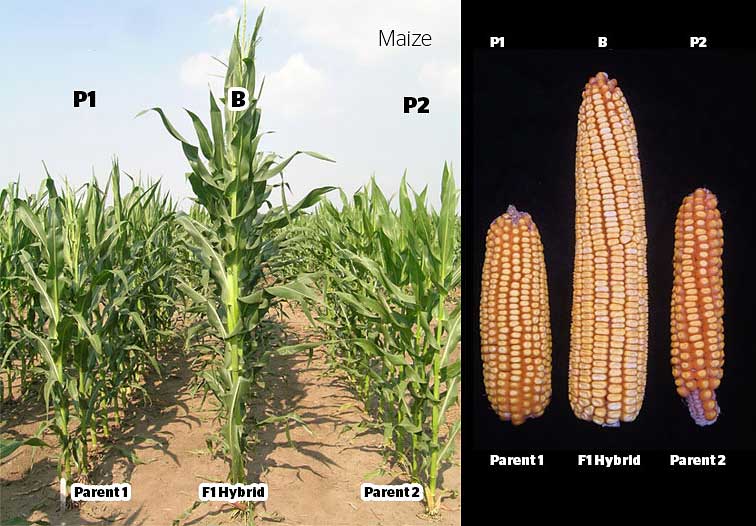
So step 1 is finding unrelated cultivars you want to combine their traits. That’s the easy part.
Why It’s Hard Part 2: Cultivars Must Be Heavily Inbred for Uniform Offspring
One of the claimed benefits of F1 Seeds is that the plants grow almost like clones of each other.
However, that’s not true for all F1 seeds. That’s only true when the two parent plants are heavily inbred.
When two very inbred plants are bred together, each offspring gets the same chromosome from each parent, and all tend to grow the same, even if their parents were very different from each other. Depending on how inbred the parents, the genetics of the offspring can almost grow like twins.
When both parents are heavily inbred, the F1 seeds grow just like each other.
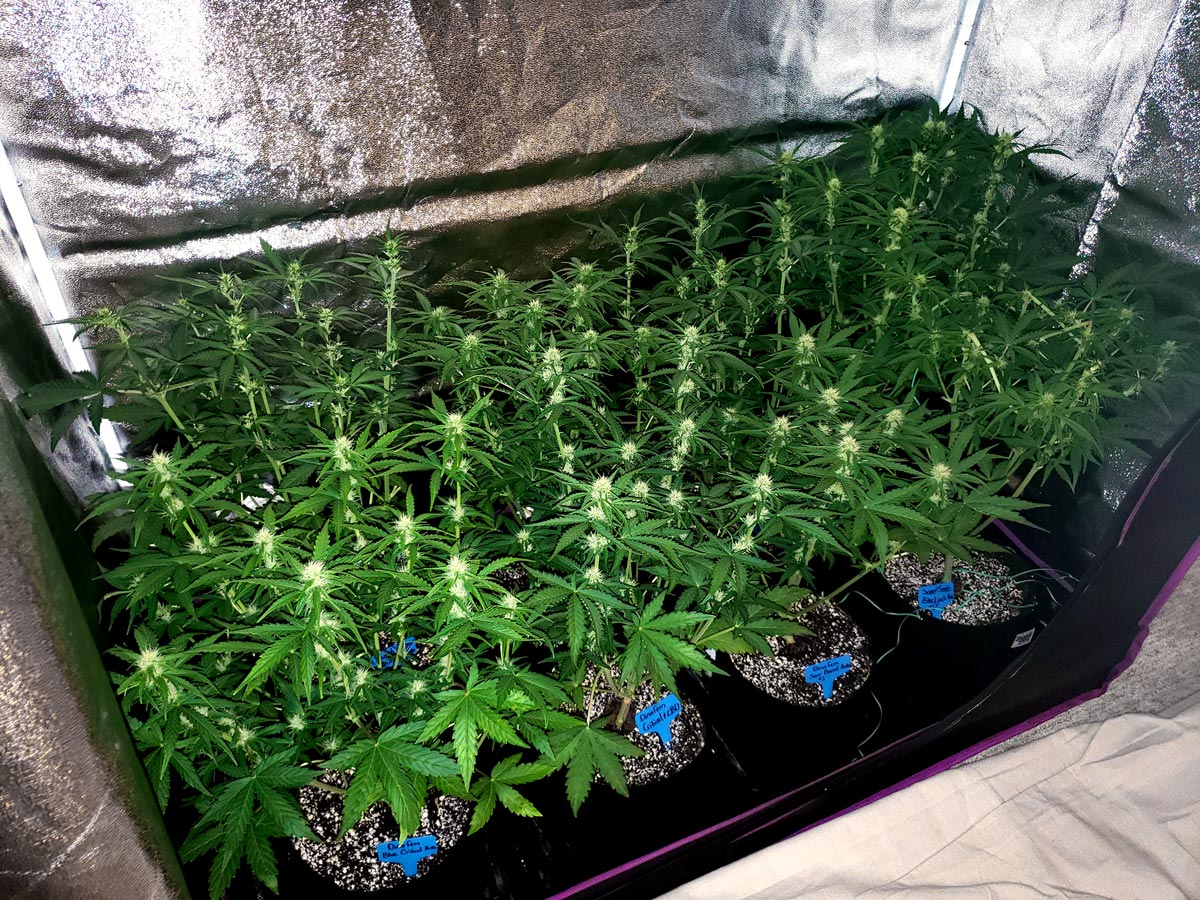
Choosing just the right two parent plants is key to making an F1 seed that comes with all the benefits.
Why It’s Hard Part 3: Need to Identify a Combo Pair for Your F1 Seed Program
So you’re a breeder who’s done the work of creating two heavily inbred lines of cannabis that are not closely related to each other. They both make amazing buds and have great growth rates and germination rates.
Your job isn’t over yet.
Now you need to find two particular cultivars that when you breed them, it all comes together perfectly. Typically that involves some trial and error to find your perfect “combo”.
And once you’ve found them, now you have a new problem… You need to maintain these clone lines indefinitely, or your F1 seed program is in trouble. Taking clones of clones comes with it’s own challenges, especially after a few years…
Why It’s Hard to Make Good F1 Seeds: Summary
- Harder to breed F1 seeds in the first place, involve extensive use of clones, labeling, testing many sets of seeds, etc.
- Harder to maintain the two special cultivars via clones over many years. Can be done, but long-term maintenance of clones is more difficult than seed-based genetic storage.
Despite the Difficulty, Breeders Are Pressing Ahead
Seedsman in particular lately has been breeding and releasing spectacular new F1 seed lines.
Predictability for outdoor growers – Indoors, you have a lot more “wiggle room” and accommodate plants that don’t grow exact as expected. But outdoors, it is a huge advantage to know plants will grow a certain way and be be ready to harvest at the right time for your climate.
Frequently Asked Questions about F1 Seeds
Which cannabis seeds get hybrid vigor?
When you cross-breed two plants that are both extremely inbred but separately stabilized (very different genetics) from each other, the result is hybrid vigor, known as heterosis in the scientific world. Here’s the wikipedia article on hybrid vigor.
You first inbreed two unrelated plants, then breed them together. The resulting offspring have hybrid vigor
Hybrid vigor only applies to that first generation of seeds. These seeds are known as F1 (first generation cross) seeds.
Subsequent generations after the first set of seeds don’t show signs of hybrid vigor unless they also are crossed with different strains. Commercial Corn growers take advantage of this same mechanism by producing hybrid maize made from two different strains of corn; the resulting seeds have better yields than open-pollinated corn.
How F1 Seeds are Different from Triploid Strains
Triploid plants need chemicals and other equipment to make. It’s not a natural process like breeding F1 hybrid seeds with hybrid vigor, which is accomplished through inbreeding
Learn more about triploid cannabis strains.
