by Nebula Haze
Recently we talked about what makes some cannabis plants grow faster or slower than others, including watering, strain, and more.
Now I want to share a quick tip that will help you improve your nutrient game. And the only tools you need are your eyes.
Let’s start with an example. These seedlings were germinated the same day and grown together in the same setup.
Even the biggest plants are relatively small for 30 days old.
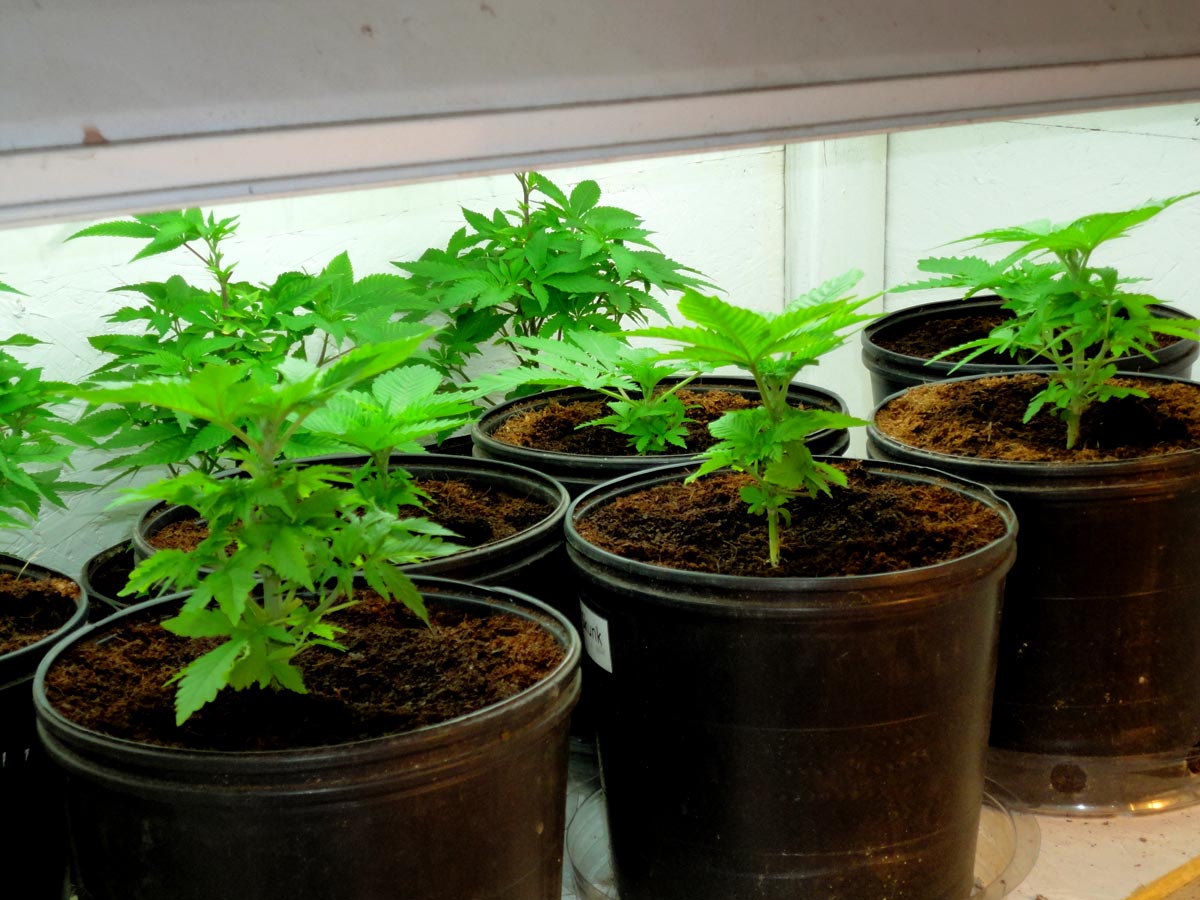
Healthy plants can be much bigger by the time they reach 30 days old. Despite an ideal environment with a good grow light, the above plants are telling you they need something.
Spot the clue: Why are these 30-day old plants so much bigger already? (same grow light in both).
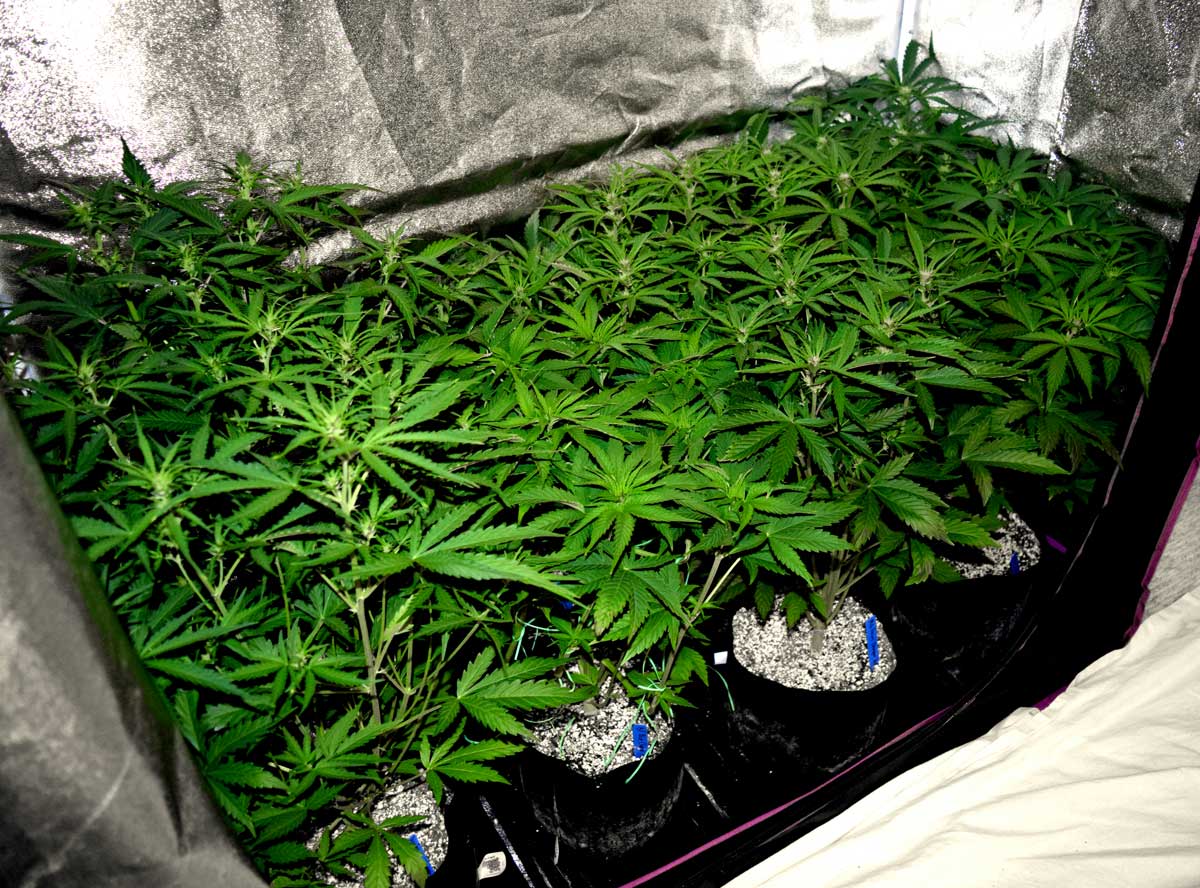
There are many factors that affect how fast plants grow, but the leaves in these particular pictures carry a clue.
What are the leaves telling you?
Although no plants above have obvious spots or discoloration in either picture, you might notice that the plants in the first set are a pale, lime green color, while the plants in the second set have darker green leaves.
The darker leaf color shows the bigger plants are getting the optimum amount of nutrients.
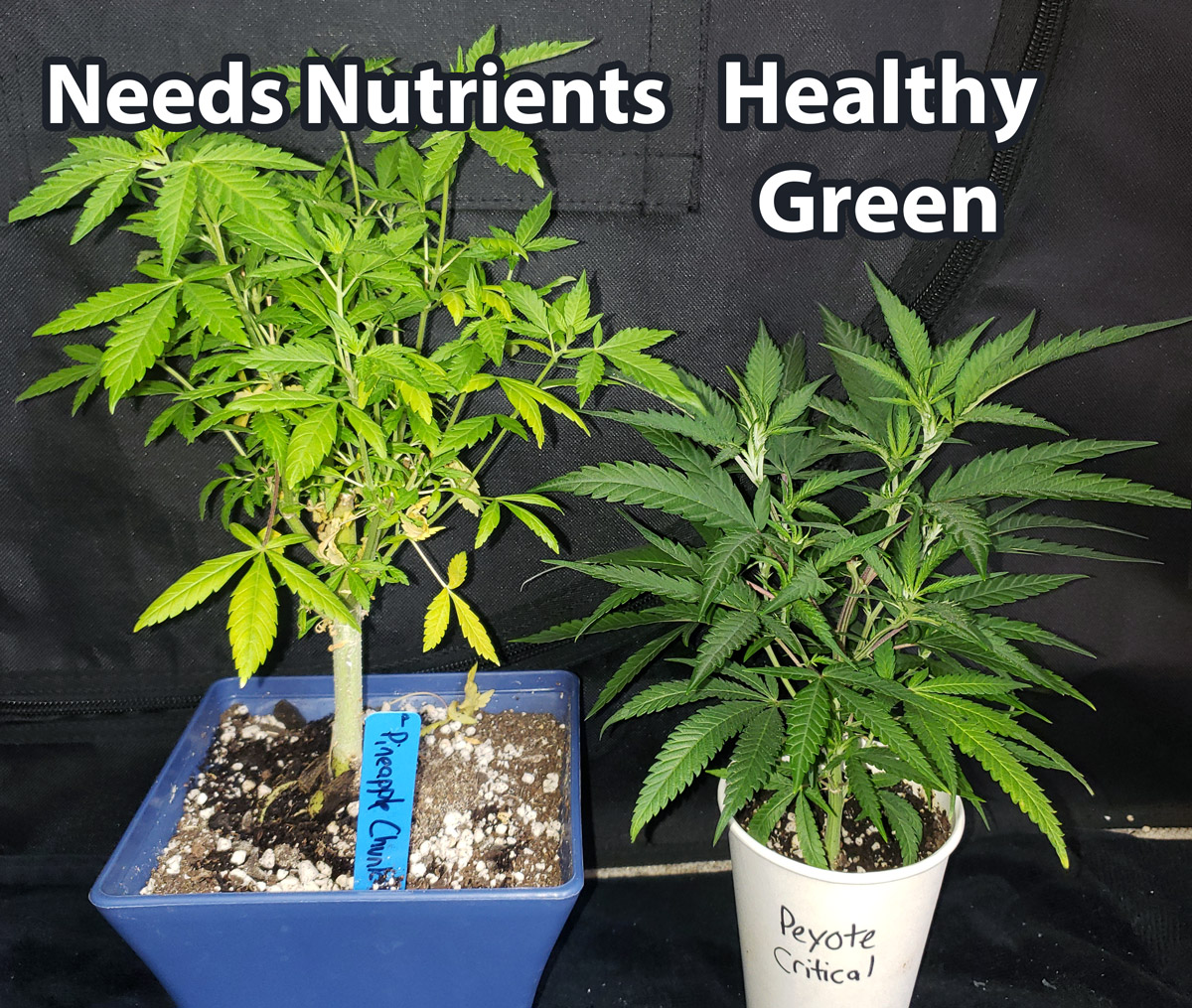
When you see lime green color all over the plant with otherwise healthy leaves (no spots, scorch marks or markings), it nearly always means the plant needs more nutrients.
Simply upping the nutrient strength by an extra 25-50% can help pale plants grow faster.
Healthy green leaves (ideal nutrient levels)
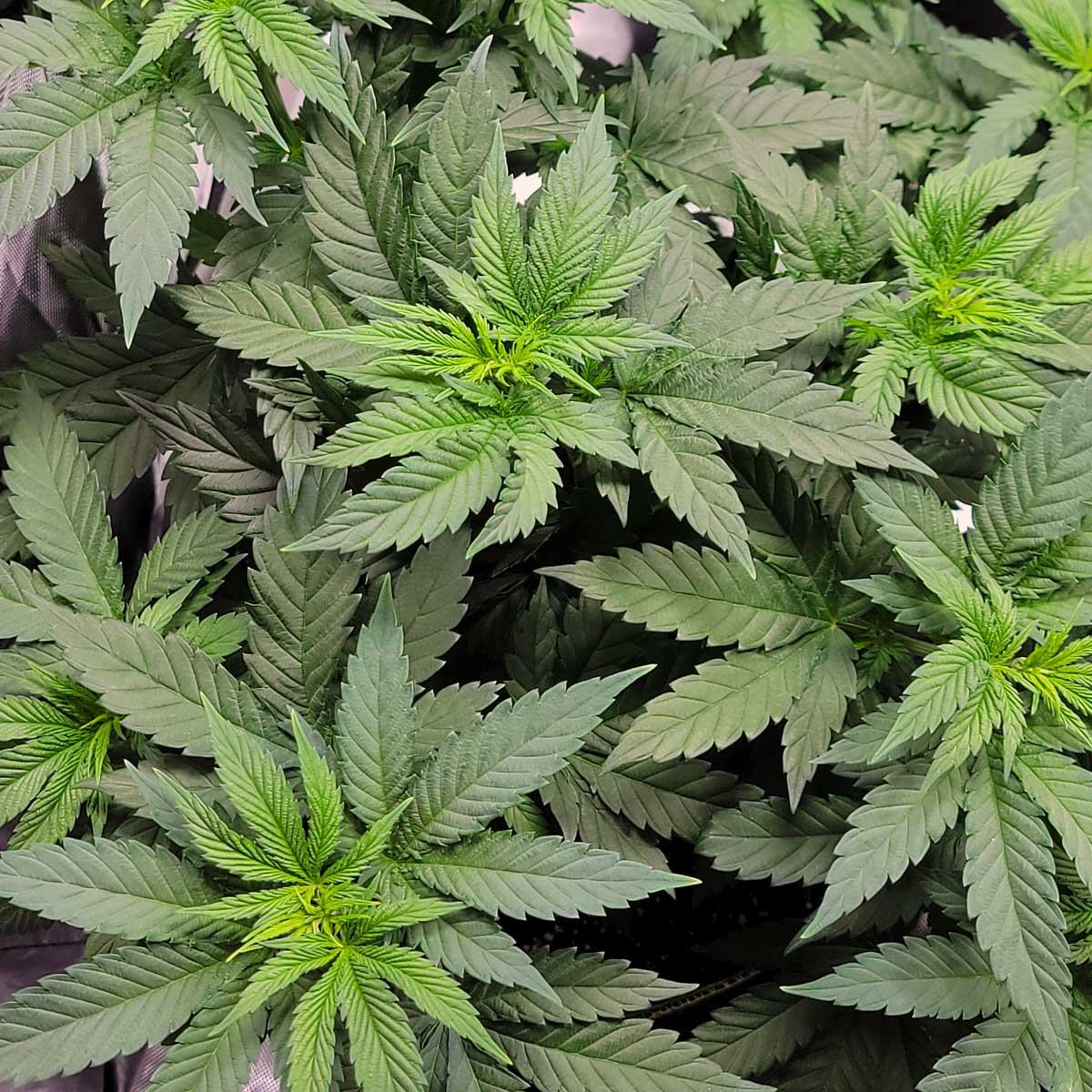
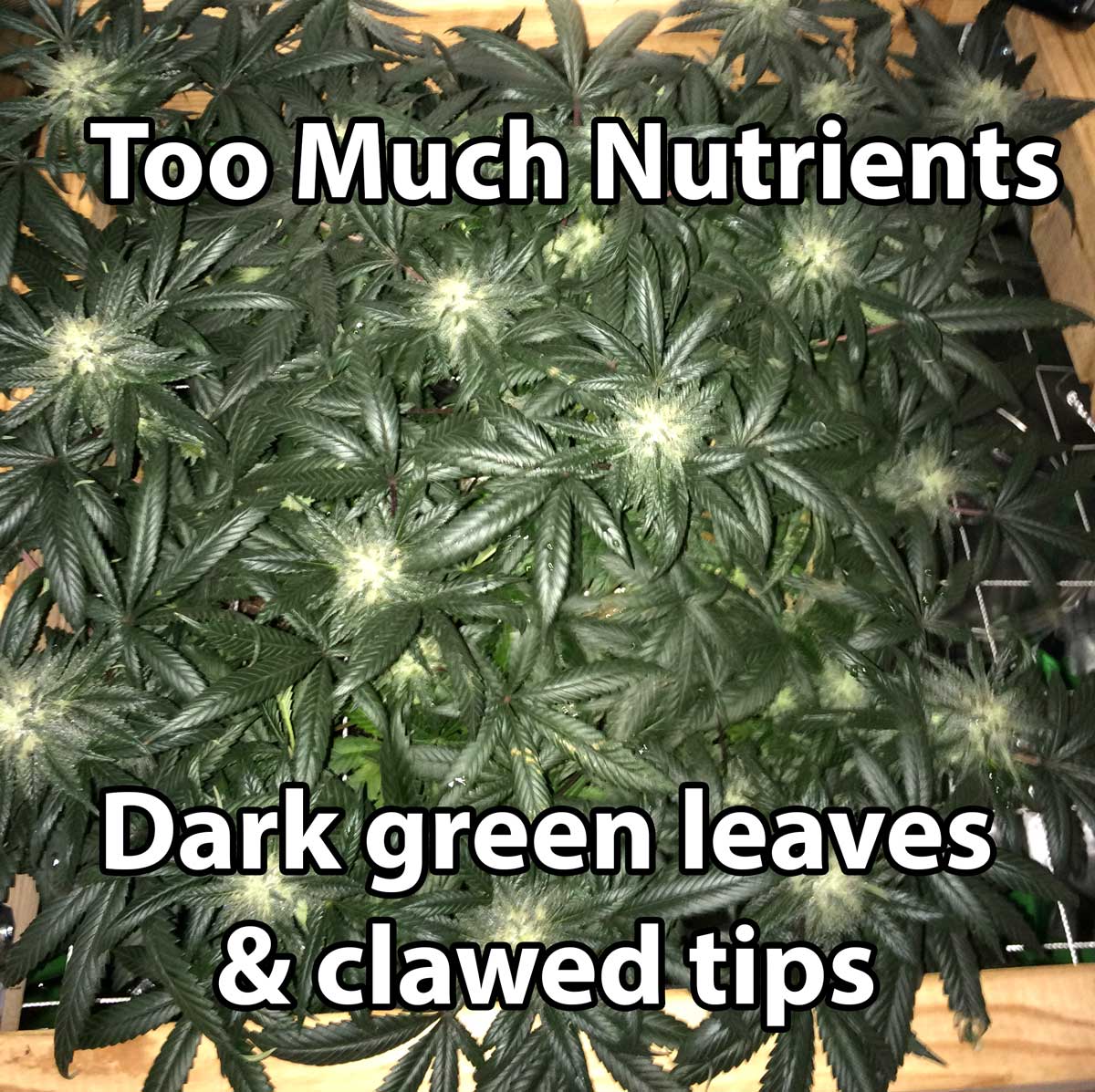
But you can also give too much nutrients.
Cannabis leaves get dark green if the plant gets too much nutrients over time. You might also see nutrient burn (burnt leaf tips).
In the vegetative stage, overloading on nutrients can slow growth a bit, yet plants usually carry on.
But in the flowering stage, the extra nitrogen keeps buds from growing as big as they could. So pay extra attention to maintain your leaves at the right color once buds start forming.
If you see spots or yellowing in just some places, while some leaves are healthy green, that’s often the sign of a pH deficiency, not a lack of nutrients.
Random yellowing and spots = pH deficiency (click for pics)
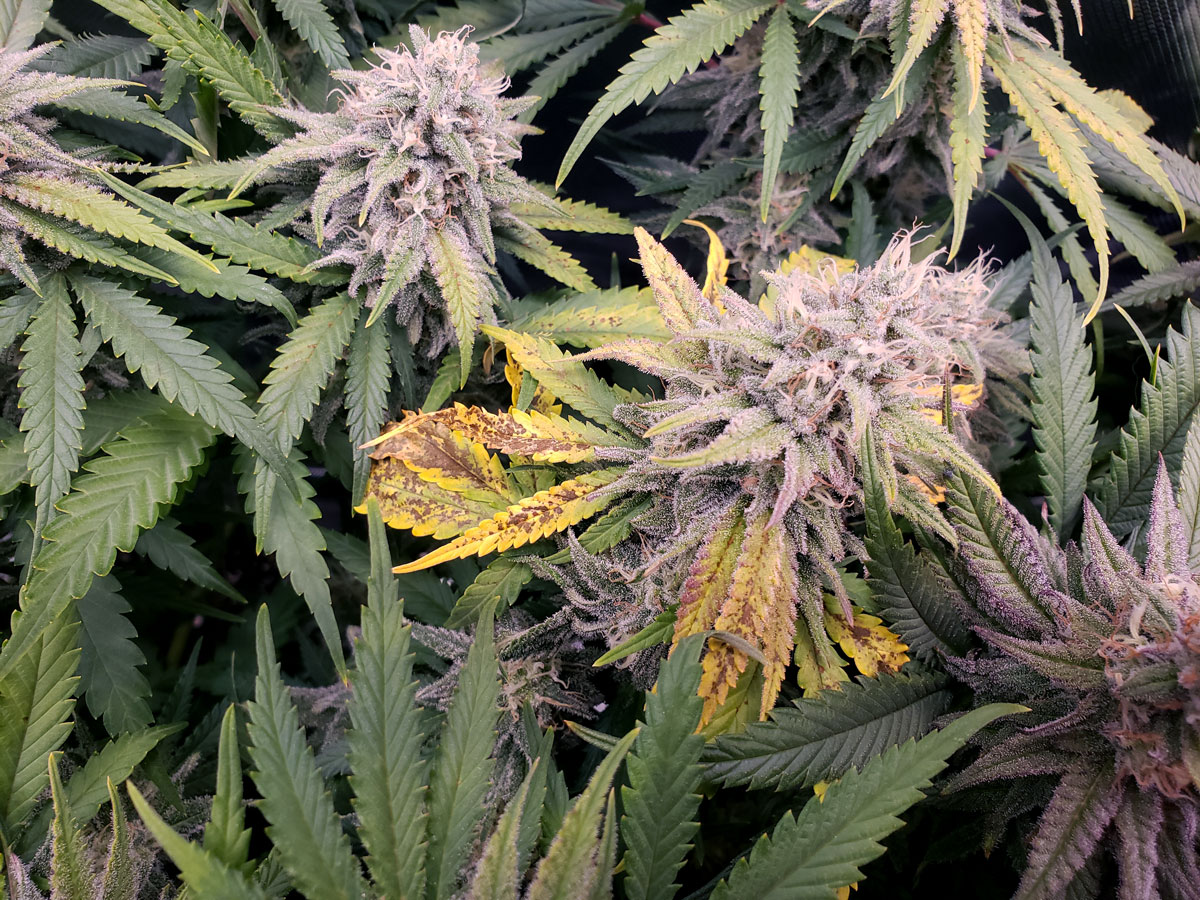
This is not light or heat stress. The grow light is at the recommended distance away and the air is not particularly hot or humid. The top leaves are yellowing because of a deficiency caused by incorrect pH at the roots.
I wanted to mention this because it makes your life a lot easier (and growing a lot more fun) if you can look at plants and understand what the leaves are “telling” you.
These little microskills, including understanding leaf color, can be the difference between frustrating grows and magnificent harvests.
Want guidance from seed to weed? Our home grow course gives you a proven path to great cannabis.

Enroll today in Home Grow Masterclass and get years of experience distilled into instructions you can follow.
Growing cannabis isn’t like a regular house plant, but we spent years figuring everything out so you don’t have to. Since 2019, we’ve led hundreds of students from all over the world to a great harvest.
The key to consistent harvest results is simple: follow a proven system developed for home growers by home growers.
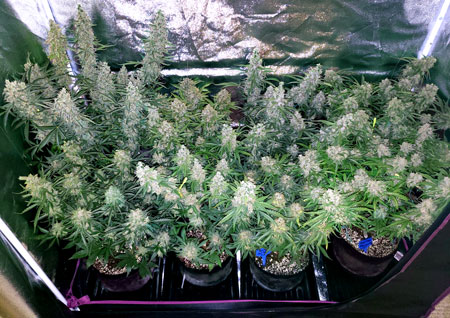
Skip the trial and error. We walk you through each part so you harvest a sea of fat, dense, beautiful buds at home that smell great.
If you ever get stuck, we’re here to help.
Learn How To Grow Top-Shelf Weed at Home!