
by Nebula Haze
It’s been extraordinarily hot in many parts of the world. Last week we talked about helping cannabis plants with heat, but today I wanted to talk about another challenge that often follows periods of high temperature.
So today, while it’s hot, I just wanted to share resources to help you quickly identify the most common pests that strike cannabis in the heat. Discover what to look out for, along with how to get rid of them quickly.
Are these symptoms caused by heat or bugs?
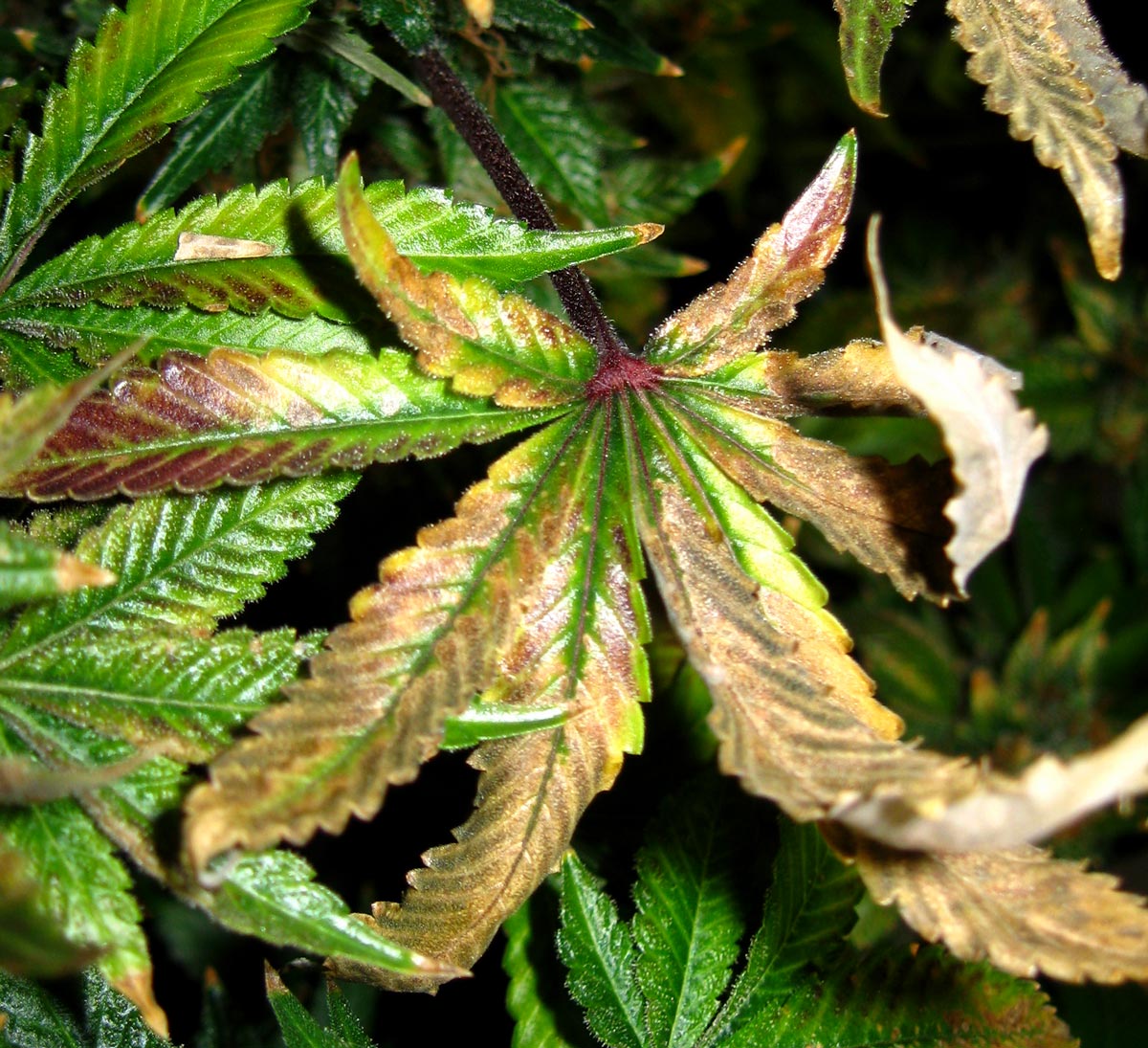
Keep reading to see if your “heat-stressed” plants are actually being attacked by a common cannabis pest.
Just look at the pictures below to determine whether your symptoms match, and then click on the picture of the bug to get more information on how to get rid of it.
1.) Flies buzzing around soil (Fungus Gnats)
Fungus Gnats: What to Look For
If you see tons of little bugs flying around your soil, it’s almost certainly fungus gnats.
A fungus gnat is tiny
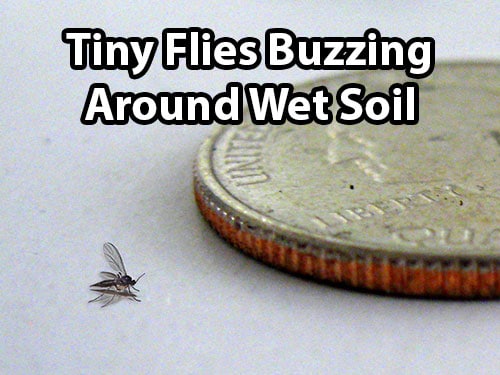
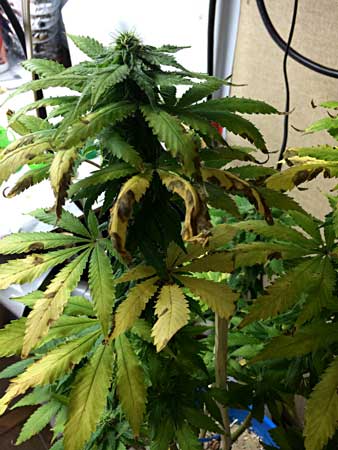
A few fungus gnats won’t hurt your plants much, but if it gets out of control, it will start causing symptoms in your plants.
This cannabis plant was riddled with fungus gnats for weeks.
Fungus Gnats: How to Get Rid of Them
Fungus gnats need constantly wet topsoil to survive. Therefore, if you see fungus gnats, it’s usually a sign that you’ve been overwatering your plant and haven’t allowed the topsoil to dry out between waterings.
- Stop over-watering and let topsoil dry out between waterings. Fungus gnats naturally disappear over time because they can’t reproduce.
- Get yellow sticky traps – Yellow sticky traps won’t get rid of fungus gnats alone, but can greatly bring down their numbers. They also help you know when you’ve actually got rid of them, because the sticky traps will stay clean.
- Use an Insecticide – Either a wide spectrum insect killer or something with BT like crushed-up mosquito bits mixed with water.
- Diatomaceous earth – Diatomaceous Earth is basically fossil dust. It’s an all-natural solution that’s safe for humans and animals but is sharp on a microscopic level to kill soft-bodied insects. Sprinkle the white powder lightly over your soil after the topsoil has dried. Once it gets wet, it’s not as effective.
- Mosquito Bits (“BT” Bacteria) – Another thing you can water your plants with is something that contains “BT” bacteria (specifically, Bacillus thuringiensis var israelensis – there is another type of BT that’s meant for caterpillars), for example Mosquito Bits.
- Hydrogen Peroxide – If you don’t have access to any of the products, you can start getting creative at home. Usually, these types of remedies aren’t as effective as the “real” stuff, but they will definitely still kill a lot of bugs! Use 1 part hydrogen peroxide to 4 parts water (for 3% pure H2O2). This is another type of brute force attack to kill larvae directly.
- Add a fan – If the fungus gnats can’t easily lay their eggs in the soil, then it’s harder for them to go through their life cycle. That means adding a breeze with a cheap fan can help prevent them from being able to comfortably infest your soil.
Don’t remove yellow sticky traps until fungus gnats are totally gone.
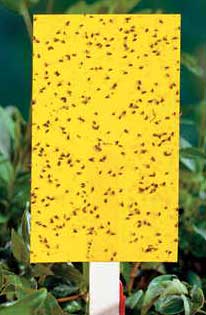
Learn how to get rid of fungus gnats attacking your cannabis.
2.) White splotches on leaves (Thrips)
Often mistaken for a nutrient deficiency, thrips leave white splotches or speckles on your leaves. Growers almost never see the bugs themselves because they’re tiny, so it’s best to look for the symptoms and then you’ll know what to look for.
Thrips: What to Look For
Thrips leave white splotches on your leaves.
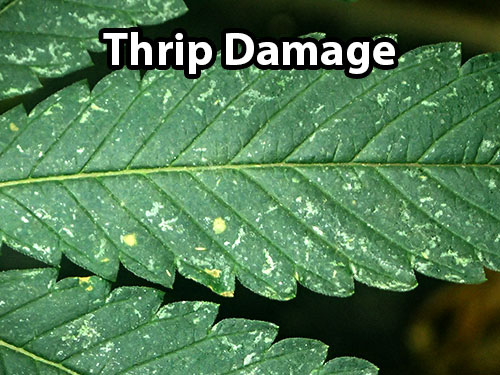
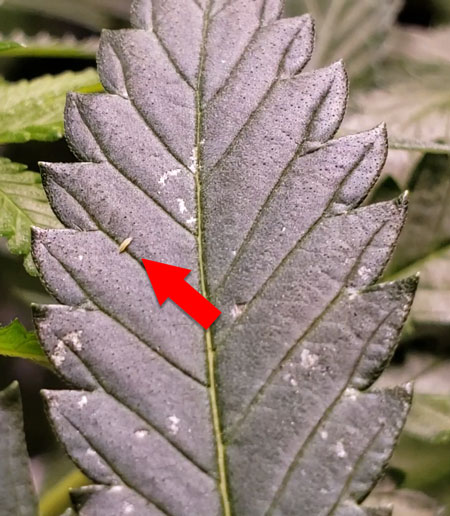
If you notice the thrip damage, you can confirm by looking for tiny little wormy things on your leaves. That’s a baby thrip.
Thrips: How to Get Rid of Them
Thrips are found all over the world, so nearly any cannabis grower can run into them. Thrips are most likely to attack growers in soil, though coco-grown plants can get them too (especially if around soil-grown plants).
Thrips commonly attack both indoor and outdoor cannabis plants. The ones that come from outside are usually relatively straightforward to get rid of because these thrips don’t specialize in cannabis plants.
However, if thrips arrive on contaminated cannabis clones, they’re often adapted to cannabis plants and can be particularly hard to get rid of. Another reason to always start with seeds.
- Insecticidal soap – Fatty acid salts or insecticidal soap can be a good choice against thrips. Soaps weaken their outer shell, yet are safe to use on your plants and won’t leave a long-lasting residue.
- Neem oil – Neem Oil is a popular all-natural insect-killer. However, itl leaves an unpleasant taste/smell on buds when used to treat flowering plants, so don’t let this stuff get near your buds.
- Spinosad – Spinosad is organic and safe for cannabis, but should be avoided by commercial growers.
- Pyrethrins – Pyrethrin-based insecticides (need a mister) are effective, but can be stressful to plants so should be used when the lights are off, and never on buds.
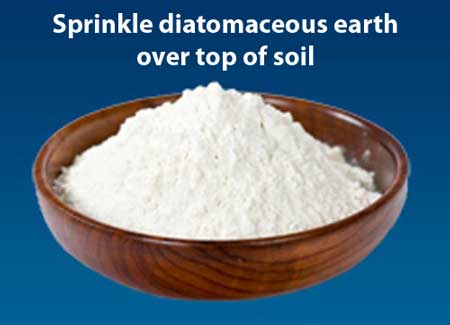
- Diatomaceous earth – Diatomaceous Earth helps fight thrips. Sprinkle this fossil dust over the soil and around the bottom of your grow tent. It’s an all-natural solution that’s safe for humans and animals but sharp on a microscopic level to kill soft-bodied insects.
Learn more about how to get rid of cannabis thrips.
3.) Dots on leaves, possibly webbing (Spider mites)
Spider mites are a common cannabis pest, especially when getting clones or plants from another grow room. Spider mites cause little yellow or white bite marks all over your leaves. Spider mites often thrive in the heat.
Spider Mites: What to Look For
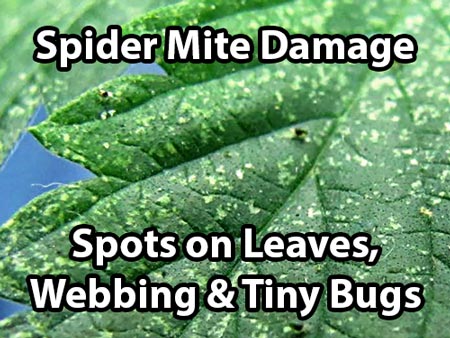
Look for tiny bugs, especially under the leaves.
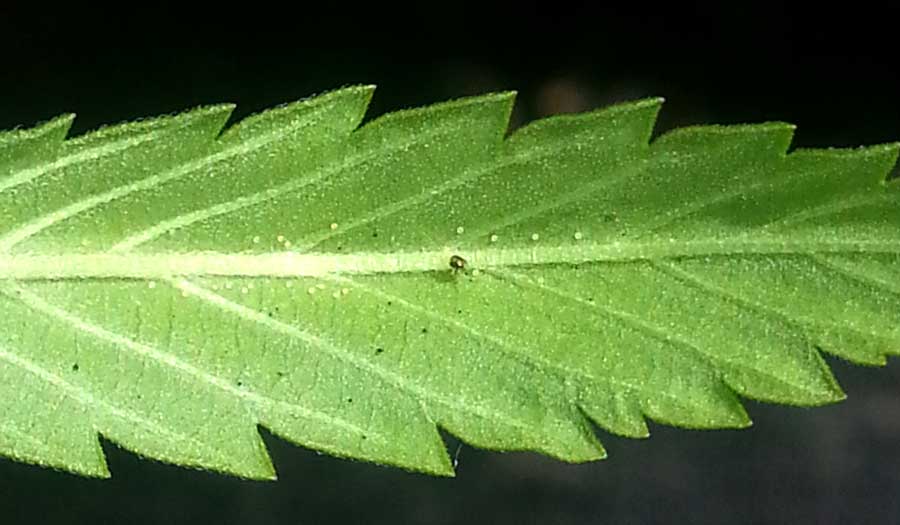
If the infestation gets out of control, you may see webbing as well.
Spider Mites: How to Get Rid of Them
- Kill Them with an Effective Insecticide
- Follow Up Again in 2-3 Days
- Repeat if Necessary (may need to rotate between different products)
Effective against Spider Mites
- Horticultural oils – Grower’s Ally Crop Defender Spray contains mainly rosemary oil, clove oil, and peppermint oil, killing spider mites and eggs on contact.
- Spinosad – Spinosad is organic and safe for cannabis, but should be avoided by commercial growers.
- Mite-B-Gone – Contains insecticidal soap, sulfate esters, citric acid, and sodium chloride. All are non-toxic to people and friendly to the environment. However, this will leave a smell on buds so only let it touch the leaves.
- Pyrethrins – Doktor Doom Spider Mite Knockout Spray is made particularly for spider mites and can be sprayed on plants. However, the knockout spray is only suitable for use before flowering, because it’s too easy to get on buds.
- Diatomaceous earth – Diatomaceous Earth helps fight spider mites. Sprinkle this fossil dust over the soil and around the bottom of your grow tent. Won’t get rid of an infestation alone, but can help.
- Alcohol and Water mixed together (9 parts water to 1 part alcohol) kills spider mites on contact. Can start to stress plants after one or two treatments You will want to use a spray bottle or mister. Best if combined with another treatment.
Learn how to get rid of spider mites on your cannabis plants.
4A.) Bites on leaves with little poops (Caterpillars & Inchworms)
If you’re seeing chunks missing out of your cannabis leaves, it’s often the results of caterpillars/loopers, especially if you also see little black spots on the leaves..
Caterpillars: What to Look For
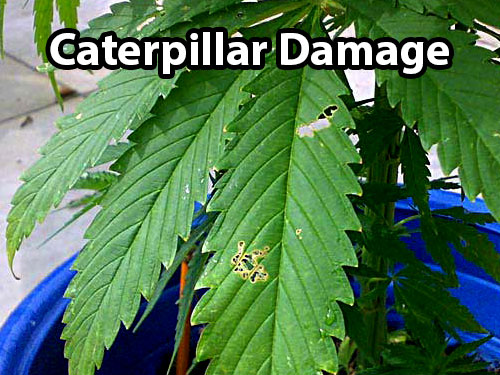
Often accompanied by black specks (droppings).
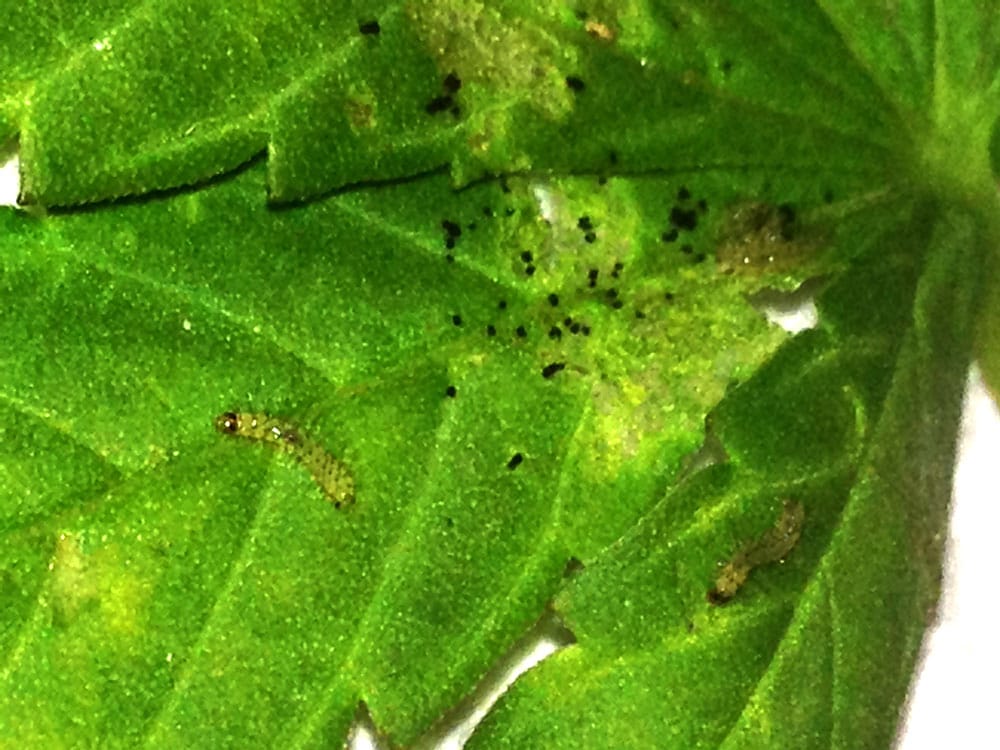
Caterpillars: How to Get Rid of Them
- First, spray or pick off any caterpillars you see to reduce their numbers.
- Then use a BT Caterpillar spray on tops and bottoms of leaves.
Bonus Tip: If you live somewhere with caterpillars, it’s always a good idea to spray plants with BT caterpillar spray right as they start making buds. Get some protection while it’s still easy to spray around the buds (BT also kills bud worms!).
BT bacteria is one of the most effective caterpillar killers for cannabis plants. Spray on top of and under the leaves as soon as you see leaf damage, caterpillars, or caterpillar poop.
Recommended: Bonide BT Caterpillar Spray
(though any caterpillar BT product will work!)
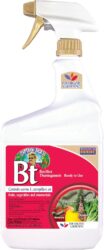
BT takes a few days to kill caterpillars but they immediately stop eating after being sprayed, saving your leaves.
BT sprays work best on small caterpillars that are actively eating your leaves. Repeat every week for as long as you’re still seeing caterpillars, though you can give BT more often if there’s a heavy infestation.
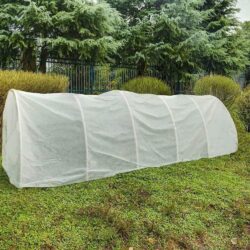
One alternative is Spinosad, but it is not as effective as BT for getting rid of caterpillars on your cannabis plants. Another thought is to physically put a barrier around your plants with something like row covers.
Floating row covers look like thin netting or mesh
Learn how to get rid of caterpillars on cannabis plants.
4B.) Bites on leaves with big poops (Grasshoppers)
If you’re seeing chunks missing out of your cannabis leaves but don’t see signs of caterpillars, grasshoppers are another common culprit.
Grasshoppers: What to Look For
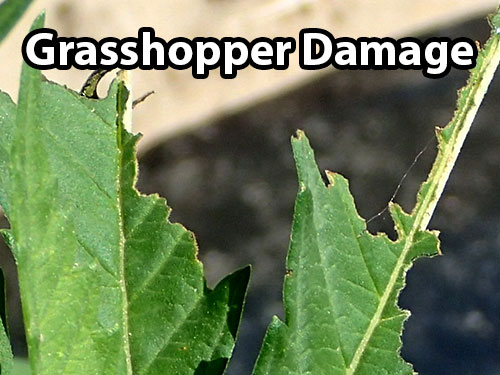
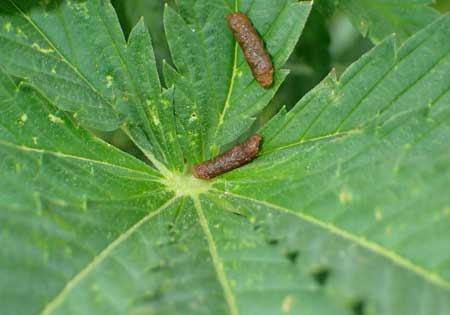
Grasshoppers often leave bigger droppings than caterpillars.
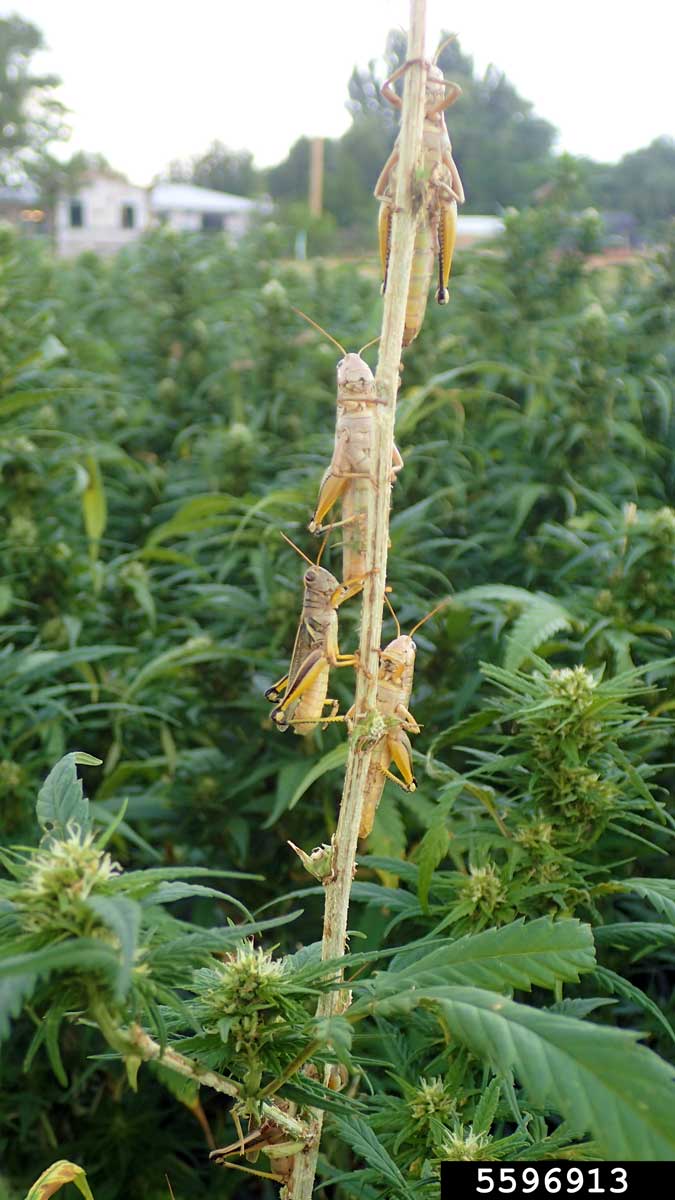
Grasshoppers can be incredibly destructive so don’t ignore them.
Grasshoppers: How to Get Rid of Them
- Check regularly for signs of grasshoppers, especially when it’s dry – The best way to prevent a grasshopper infestation (or any bug infestation really) is to catch them as soon as possible.
- Make sure to keep the lawn clean, and grass mowed short – Grasshoppers love grass. They don’t just eat it but also lay their eggs on it. If you reduce the amount of grass, it may help lower their numbers.
- Insecticidal soap – Fatty acid salts or insecticidal soap can help combat grasshoppers, especially young ones.
- Neem oil – Neem Oil is a popular all-natural insect-killer. However, it leaves an unpleasant taste/smell on buds when used to treat flowering plants, so don’t let this stuff get near your buds.
- Floating Row Covers – Floating row covers look like thin netting or mesh, and can be draped over plants to create a physical barrier.
Learn how to get rid of grasshoppers on cannabis.
5.) Fat round bugs under leaves (Aphids)
I live in San Diego, where aphids are a problem, attacking many outdoor plants, and occasionally even reaching indoor plants. Here’s what to look for and how to protect your cannabis plant from aphids.
Aphids: What to Look For
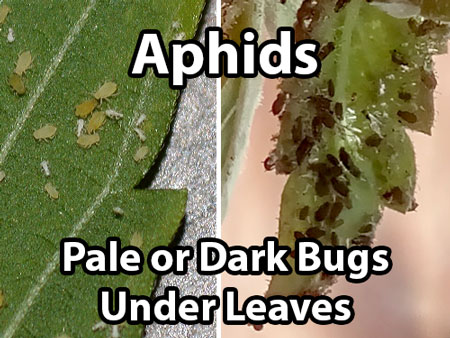
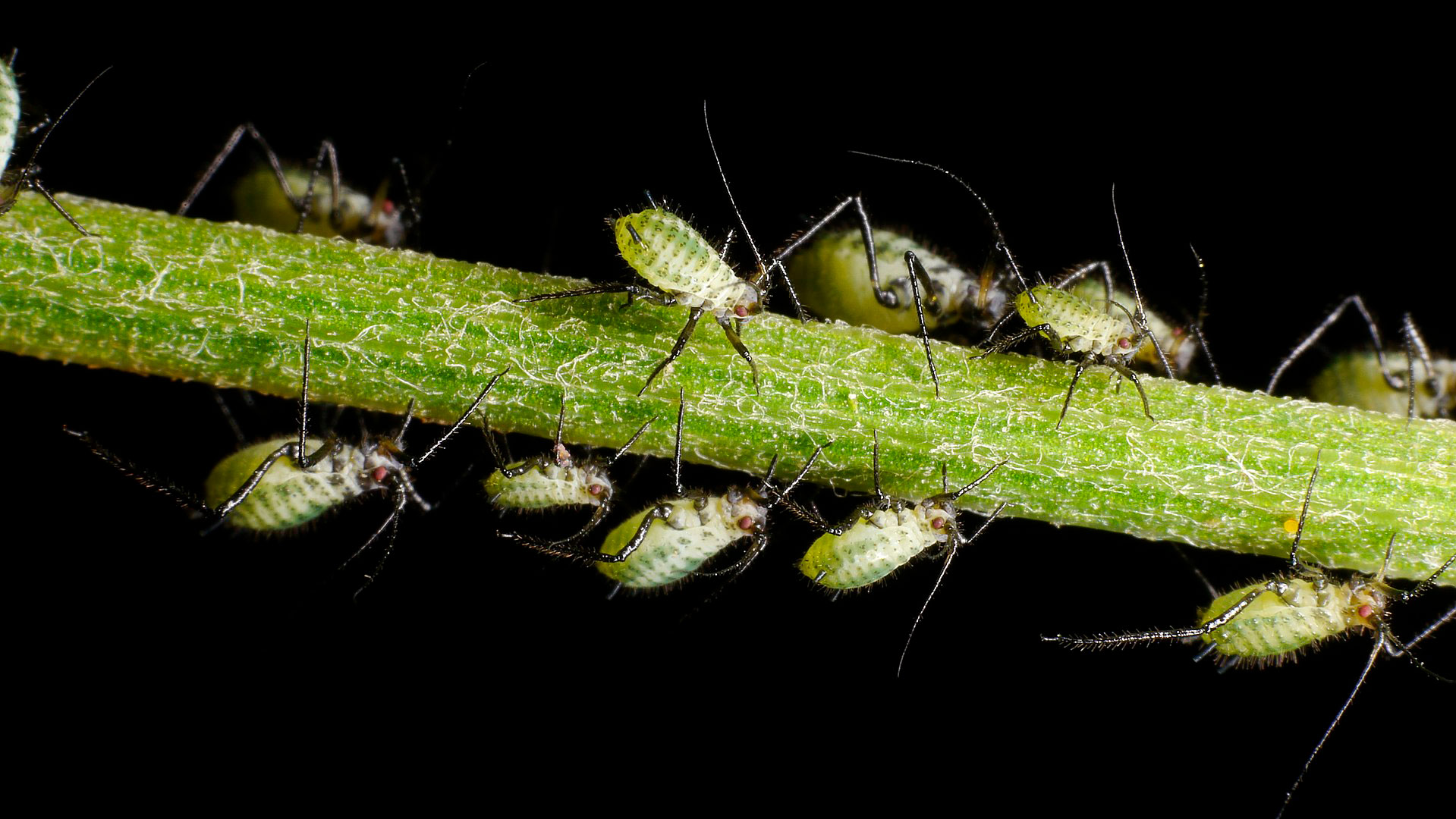
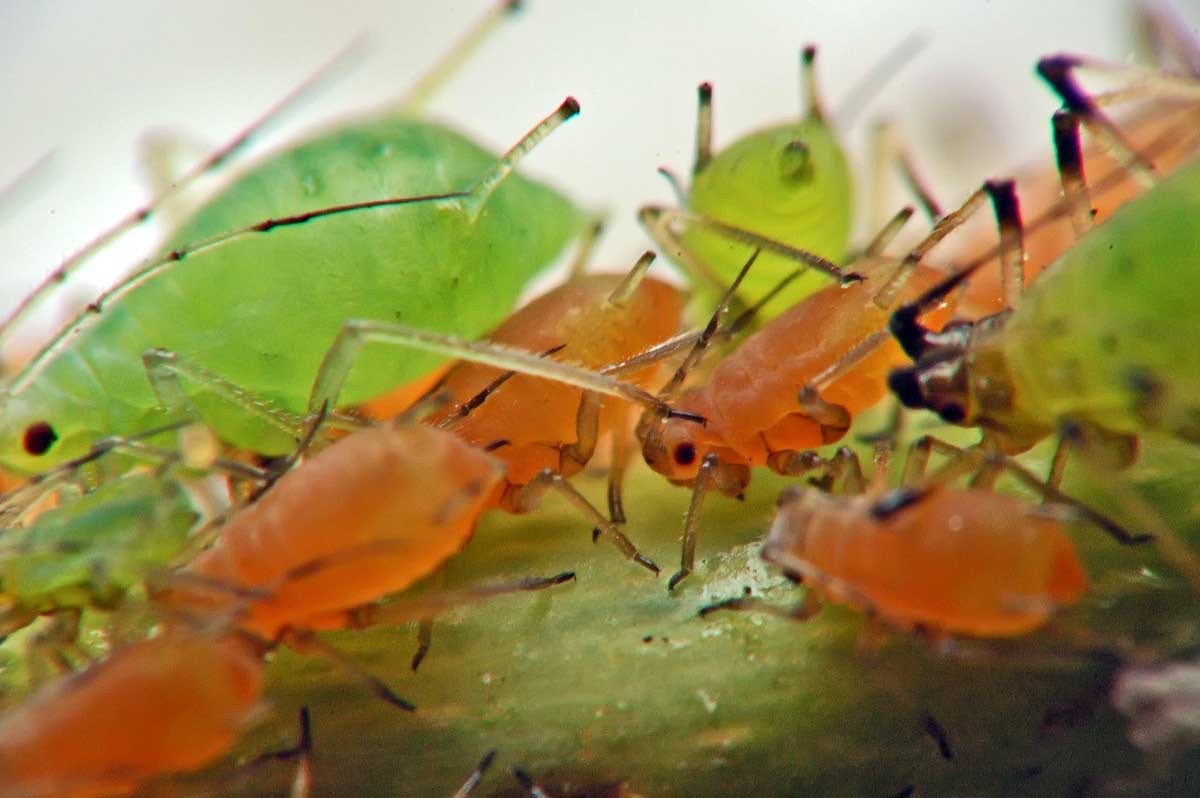
These little round bugs come in many colors, but they are always shaped the same. They especially love hanging out under the leaves of cannabis plants.
Aphids on cannabis from a grower in Germany. Green with black legs.
Aphids come in many colors, but are always shaped the same.
Aphids: How to Get Rid of Them
- First, spray or pick off any aphids you see to reduce their numbers.
- Insecticidal soap – Garden Safe Insecticidal Soap and other plant soaps can help stop aphids.
- Neem oil – Neem Oil is a popular all-natural insect-killer. However, it leaves an unpleasant taste/smell on buds when used to treat flowering plants, so don’t let this stuff get near your buds.
- Spinosad – Spinosad is organic and safe for cannabis, but should be avoided by commercial growers.
- Ladybugs – Many growers purchase ladybugs because they love to eat aphids. An organic way to help fight an aphid population.
Learn how to get rid of aphids on cannabis.
You might also be interested in other common cannabis bugs like…
- Crickets (also munch holes in leaves like caterpillars or grasshoppers)
- Leaf Miners (these leave little trails in your leaves)
- Complete list of common cannabis pests. If you think you have bugs but didn’t see the right one on this page.
- Diagnose your sick cannabis plant with our free plant doctor tool.
