
by Nebula Haze
Can the pH of your soil change the color of your marijuana buds? Yes, but it seems to be relatively subtle (white pistils change to pink, for example). It also only affects certain strains or genetic lines.
Outside the cannabis world, a few species of plants with flowers are known to turn different colors based on the pH at the roots.
Hydrangeas
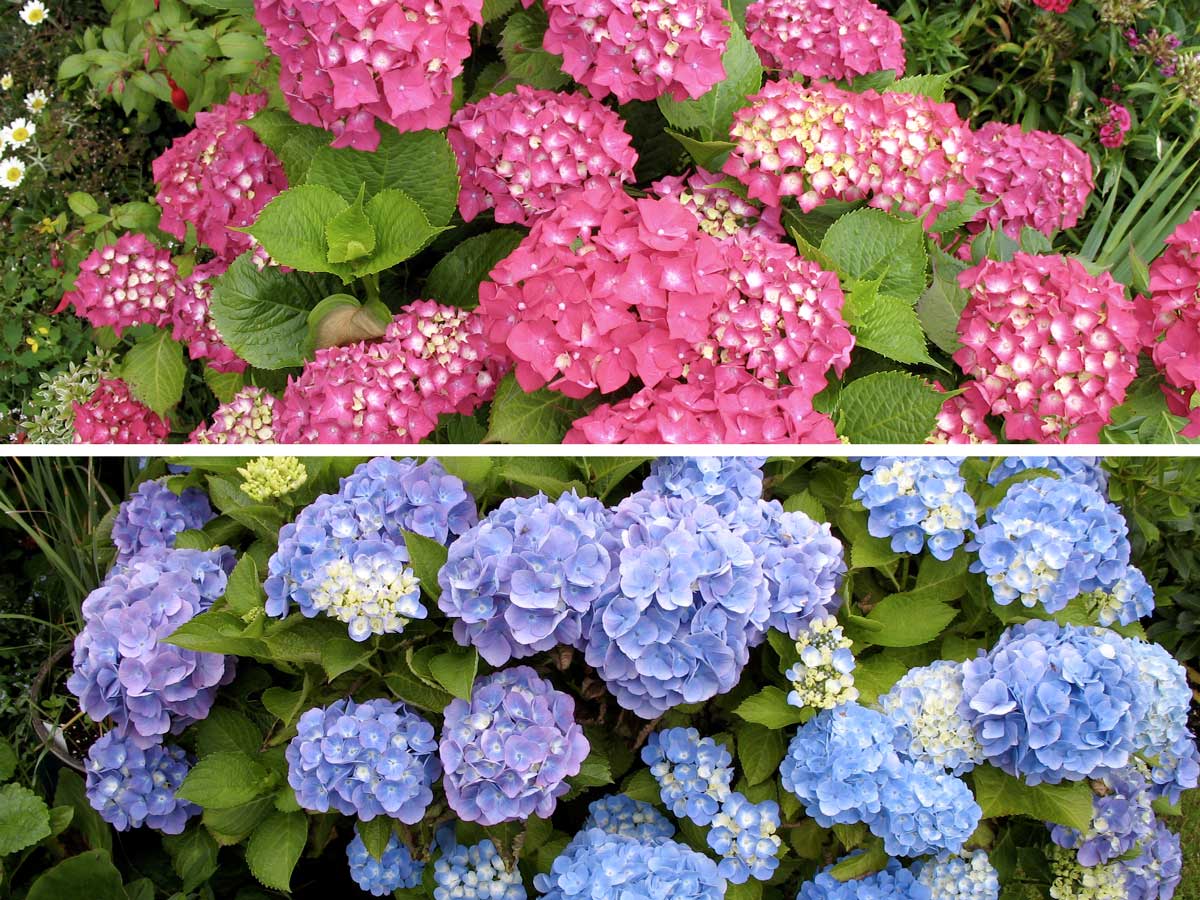
For example, the flowers of specific types of hydrangeas can turn blue in very acidic soil, but may turn pink if exposed to neutral or only slightly acidic soil. With these strains of hydrangeas, the blue is the result of aluminum becoming available to the plant at lower pH ranges. The flowers also won’t turn blue if there’s no aluminum in the soil, which is why they sometimes don’t turn blue in certain store-bought potting soils even if the pH is low enough.
Hydrangea macrophylla flowers can appear either blue or pink depending on the pH of the soil, because the pH changes the availability of aluminum to the plant
Korean Maple Trees
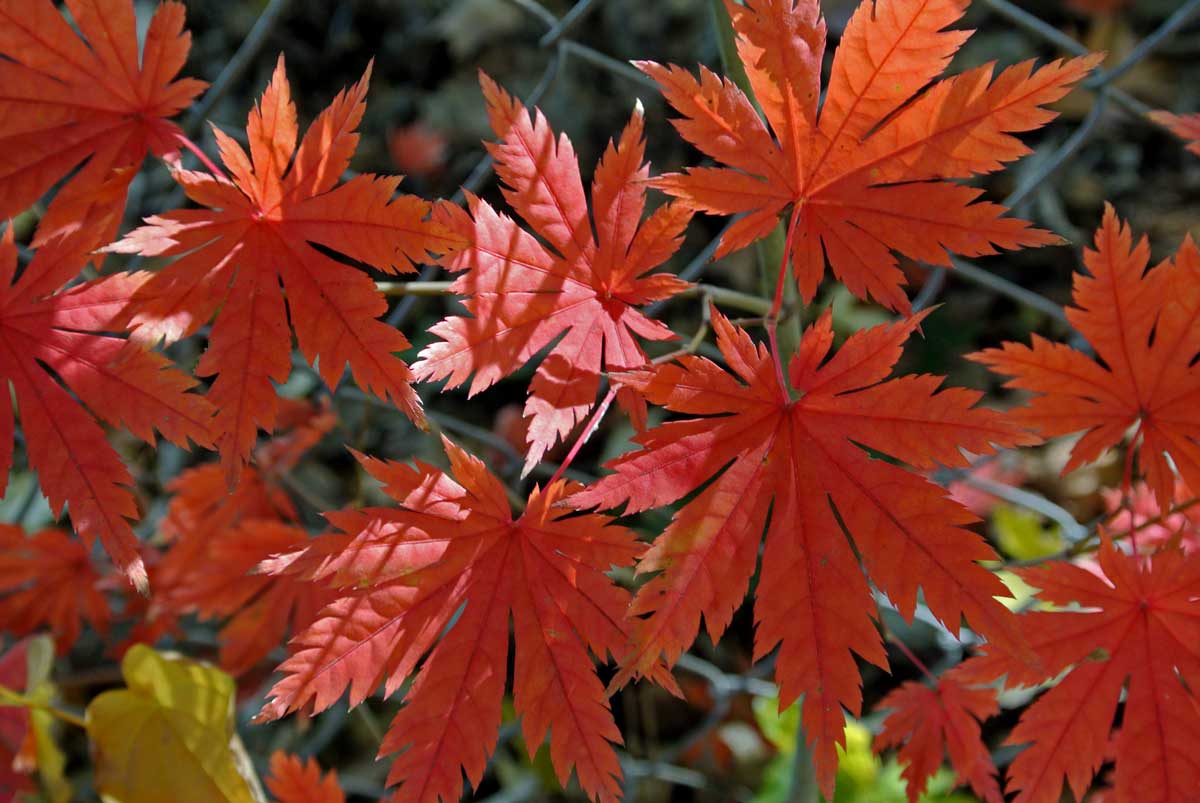
The leaves of Acer pseudosieboldianum trees turn color earlier in the autumn when grown in acidic soil, and colors are longer lasting and more splendid.
What causes these changes? In fact, the processes may be different for each species of plant. When it comes to cannabis plants, we’re still learning the mechanisms behinds the color changes. Here is what we know on a practical level as far as what works.
Cannabis Plants
The pH of the soil has an effect on plant color for only a relatively small percentage of plant strains, but there are signs that at least a few strains of cannabis produce flower color which is affected by the pH at the roots.
For example, the Vancouver Island Seed Company reported that their strain “FI” produced pink or reddish pistils at higher pH ranges around 6.8 (in soil), yet produced standard white pistils at pH ranges closer to 6.
But I’ve found it’s much more likely that lowering the pH could also have an effect on some strains, especially ones that tend to turn purple anyway, and especially under LED grow lights. However, for some strains, this causes plants to get brown spots (a calcium deficiency) so use this tactic with caution and watch plants closely for brown spots.
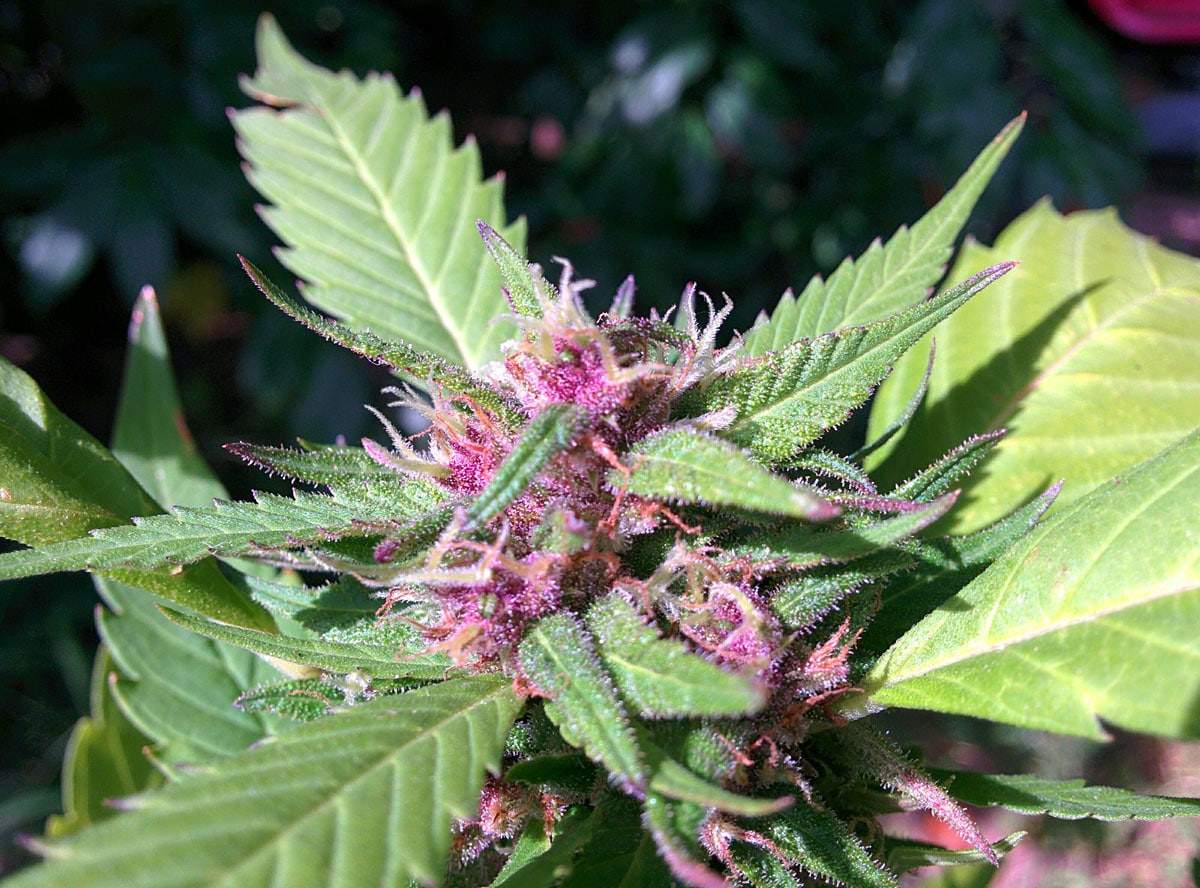
Low pH at the roots (under 6 pH) can bring out purples in some strains, most likely with strains that are already prone to turn purple. This is what it looks like initially.
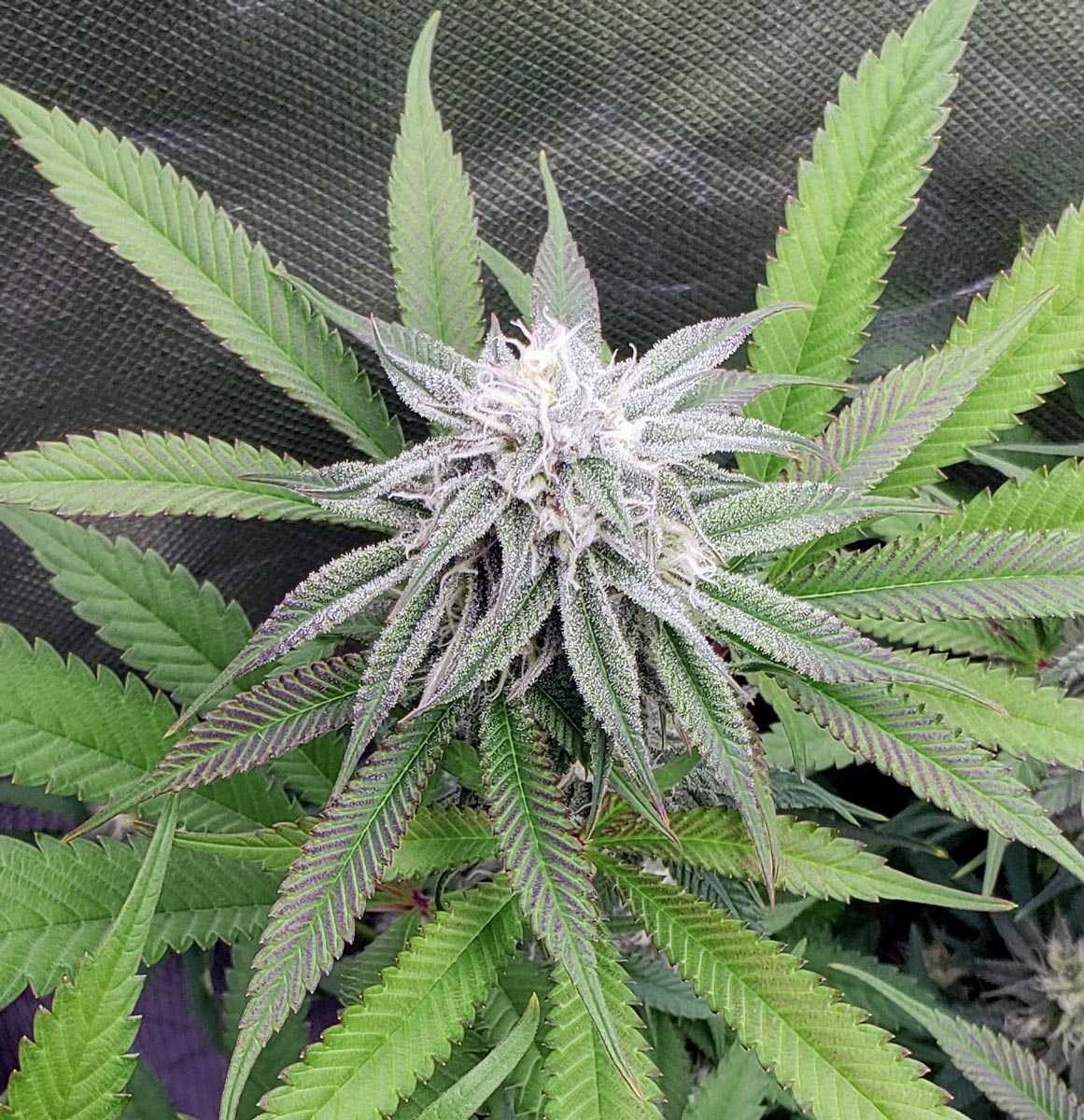
Here is that cannabis plant a few weeks later.

It’s unknown whether pH affects the bud color of certain cannabis strains due to aluminum absorption (like Hydrangeas) or another mechanism entirely. However, the purple pigment is known as anthocyanin, and there are many ways to get various plant species to produce more of them.
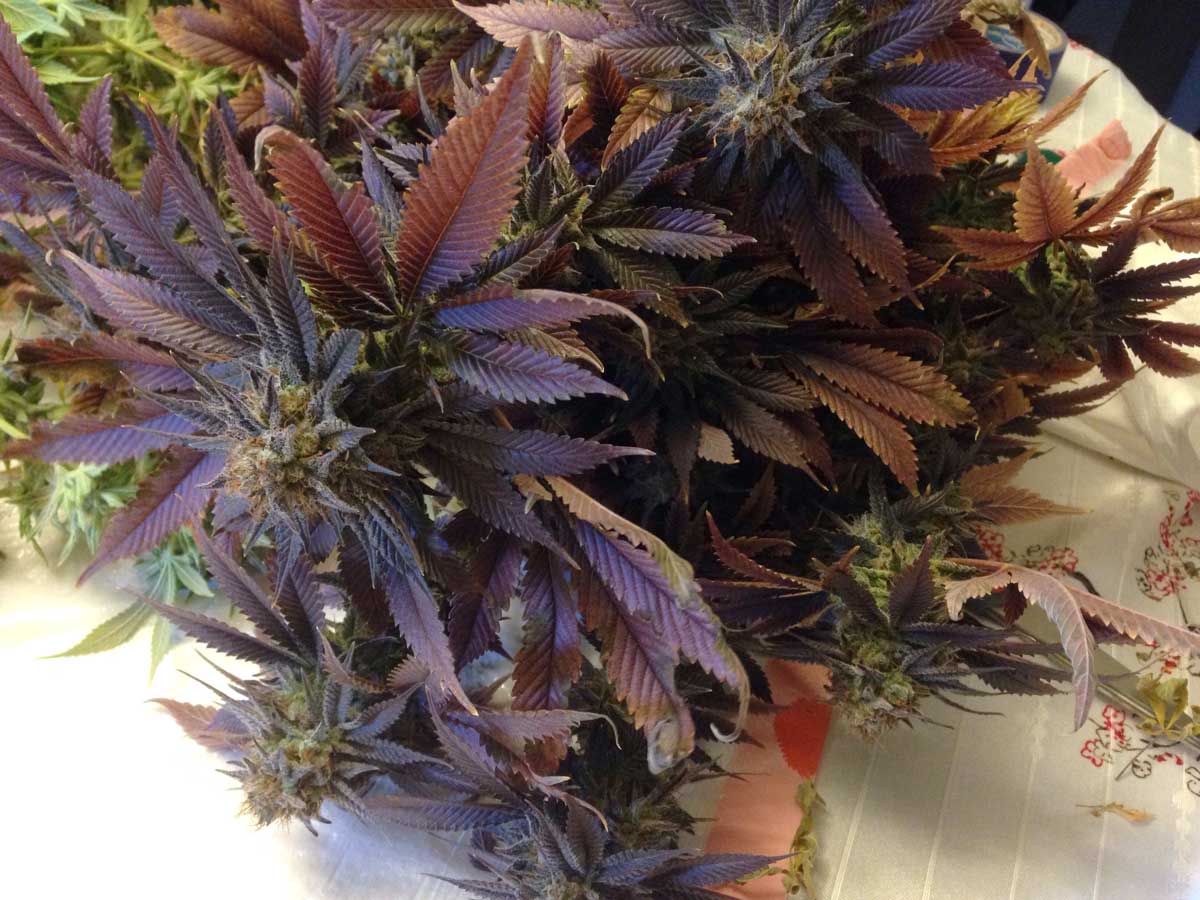
Unfortunately, for many strains, low pH causes brown spots and sometimes yellowing, so use this tactic with caution. It’s best to try this technique close to harvest in case your plant becomes riddled with brown spots.
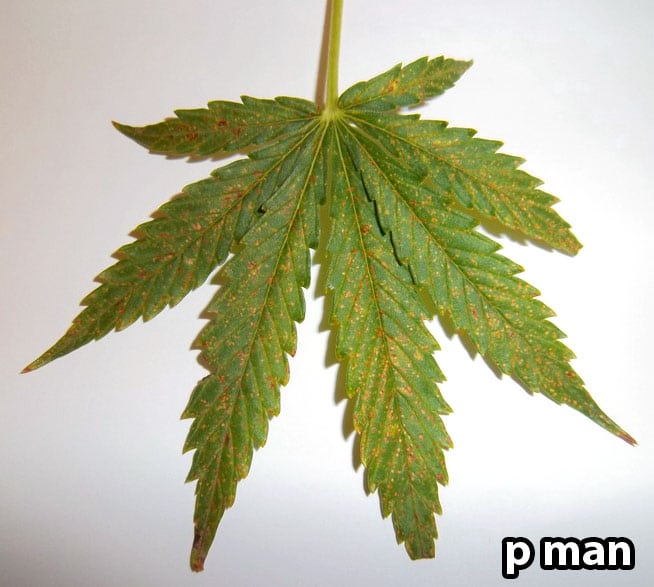
These buds were given low pH early in the flowering stage while buds were still mostly white. It did help bring out purple, but as a result, many of the leaves got deficiencies which reduced yields at harvest. If you try to bring out colors via low pH, make sure to wait until plants are close to harvest so you don’t harm the leaves by accident.
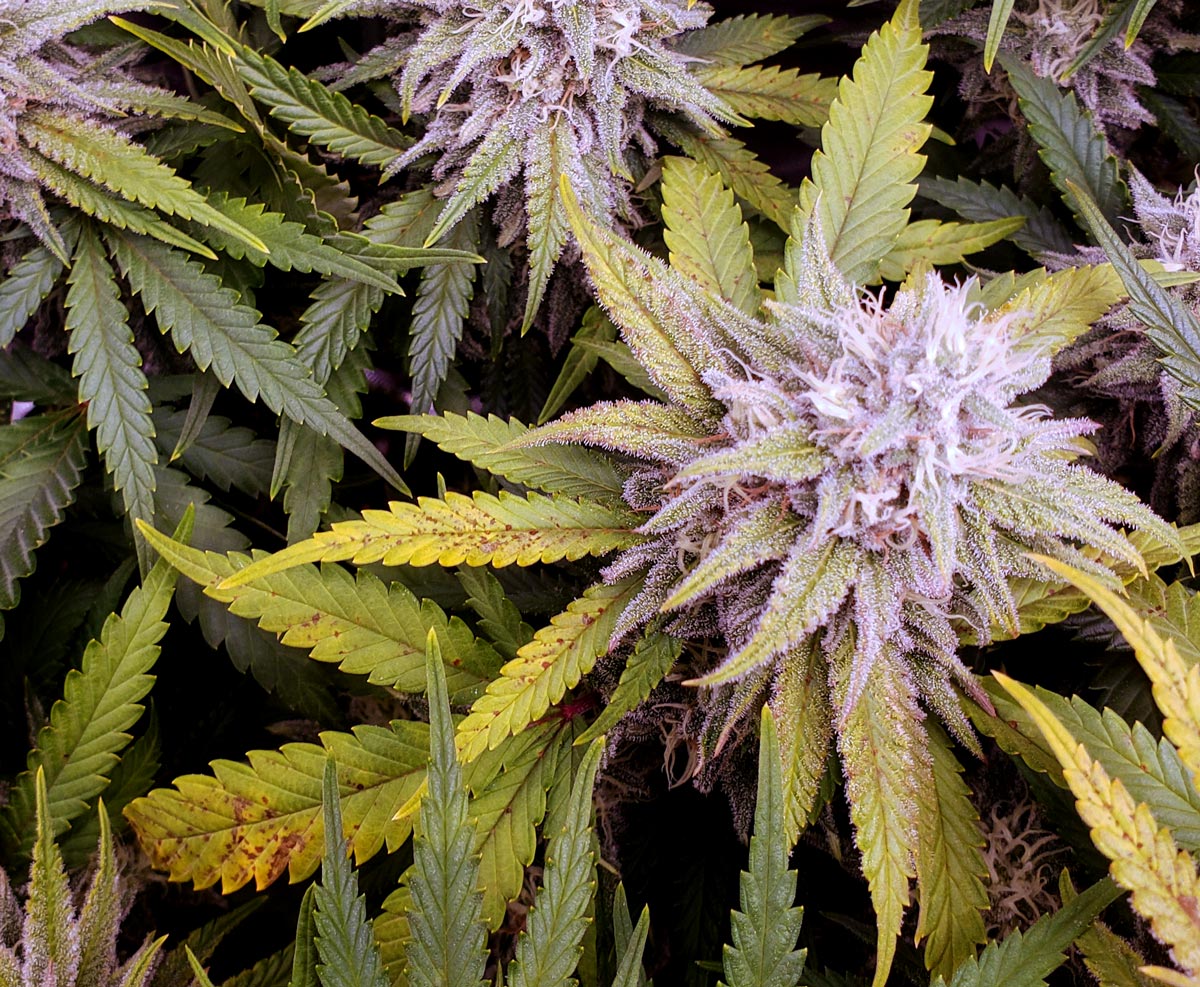
(Please contact us if you’ve grown marijuana strains with bud colors affected by pH!)
If you are growing several plants of a particular strain of cannabis that is known to produce colorful buds, you might consider giving plants different pH ranges to see what effect it has on the final bud color!
Learn how to grow colorful strains with pink, purple or “black” buds! (get the right color every time, unlike the chance of pink/purple by adjusting pH)
Now learn how to improve…
