
by Nebula Haze
I have one huge regret when it comes to growing cannabis. No, not the nutrient-stained carpet in my closet or time wasted on bad equipment. My regret is how embarrassed I felt whenever anything went wrong with my plants.
This is me growing weed in a closet in 2008. I wish I’d read this article then.
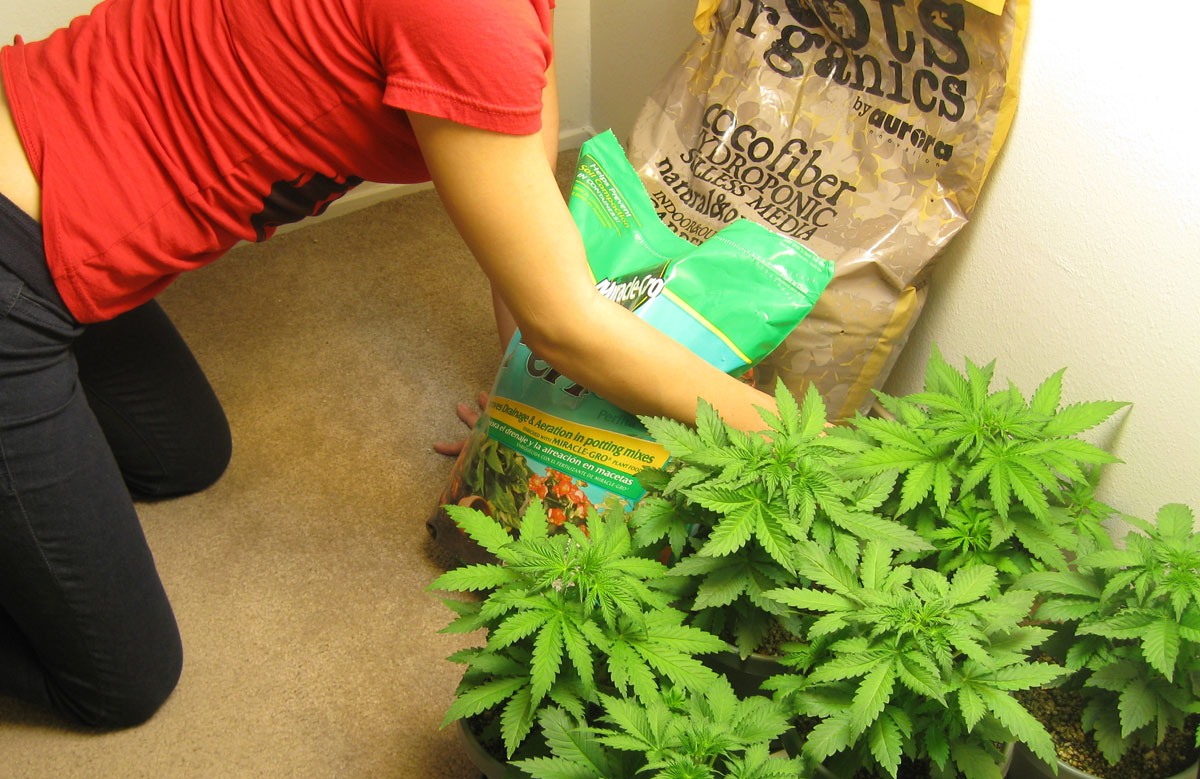 Note: Not my biggest regret, but don’t follow that picture and keep plants directly on carpet. You will ruin your carpet.
I used to feel like every grow problem was a personal failure.
It’s common for cannabis growers to feel this way, even after a few successful harvests. We’re growing living things, and they don’t all act the same, especially if you start with different seeds.
Online, you see so many cannabis plants looking perfect with big, beautiful buds.
It can feel like other growers never run into problems.
It wasn’t until I became friends with other growers that I realized I wasn’t alone. Every grower runs into challenges. Things happen.
And even when your grow goes smoothly from seed to harvest, there’s always something you wish you could have done better.
Every cannabis grower runs into problems, but great growers learn from them.
Nebula Haze
No Garden Is Perfect
We like to think we have total control over our garden (especially indoor growers), but that’s an illusion.
Mother Nature exists in the grow room, and loves to catch a confident grower off-guard.

Some parts of growing are mainly under your control, like trusted genetics and a great grow setup. Yet even then, some plants are natural runts or born with mutations.
There are also many aspects of growing cannabis that are basically out of your control, like weather or space limitations. New equipment can run into unexpected problems (example below).
Today, learn from my struggles and get back to enjoying the grow experience.
1.) Genetic Sabotage
Even with the best and most trusted breeders, there’s a chance your plants won’t grow as expected.
No matter how great the breeder, they can’t control 100% of seedlings.
For example, a breeder can’t prevent mutations even if their starting genes are basically perfect. There’s also a chance the seeds are old or weren’t stored properly after they left the breeder’s hands.
There’s no such thing as “perfect” cannabis seeds, unfortunately.

If a grower is using bagseed (seeds you find) or gets seeds from a less-than-reputable breeder, the chances of genetic sabotage go up.
(Are my cannabis seeds good to grow?)
Certain seeds/genetics increase the chance of…
- Poor germination
- Slow growth
- Hard to clone
- Hermies (more info below)
- Small buds
- Lack of smell or sparkle
Experience helps prevent these problems, but I can’t overstate how much seeds impact how cannabis plants grow. Critically important traits like the effects, potency, and smell of buds are determined by the genetics of the seed.
These pictures help show some effects of genetics on bud development.
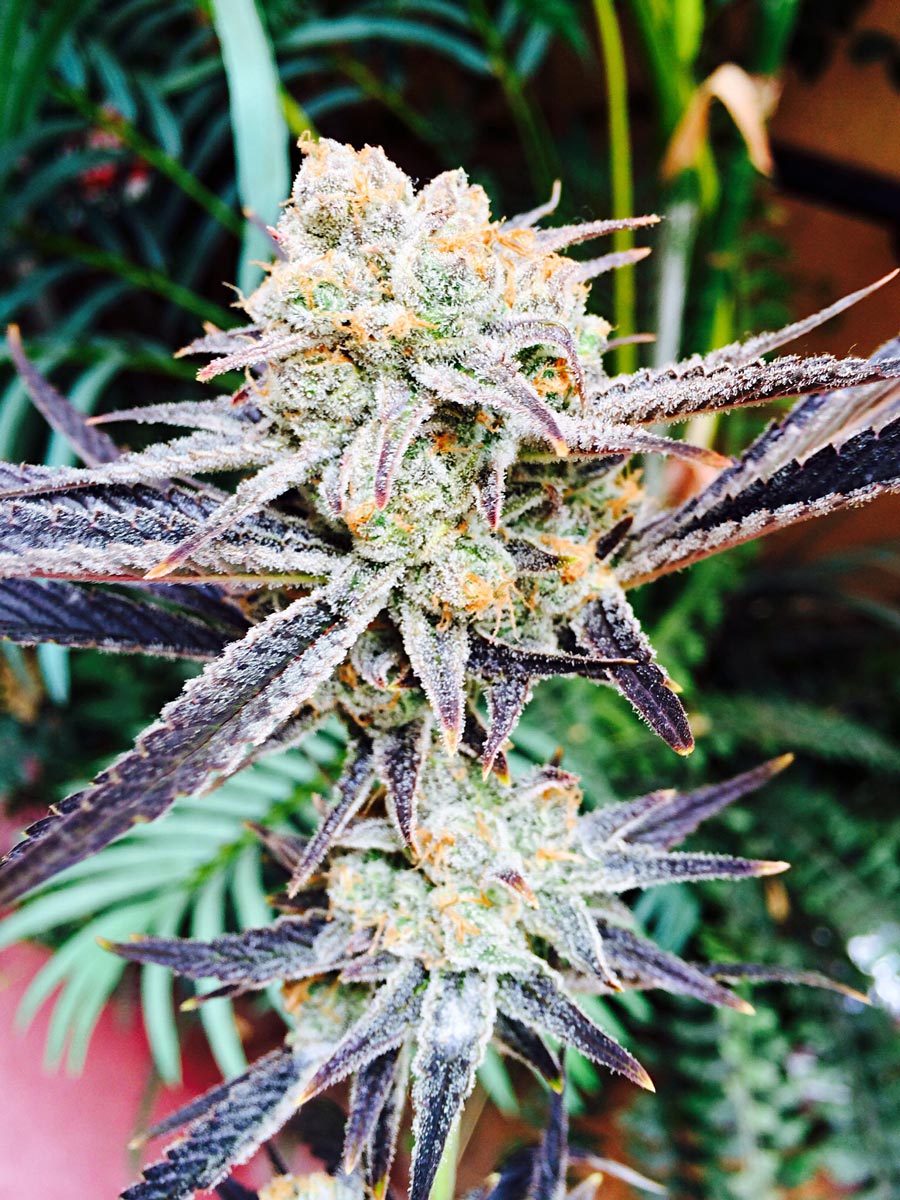
Two seeds of different strains were germinated together and grown in identical conditions. Here they are a few weeks after buds started forming.
Amnesia Lemon: Nice-looking, healthy bud.
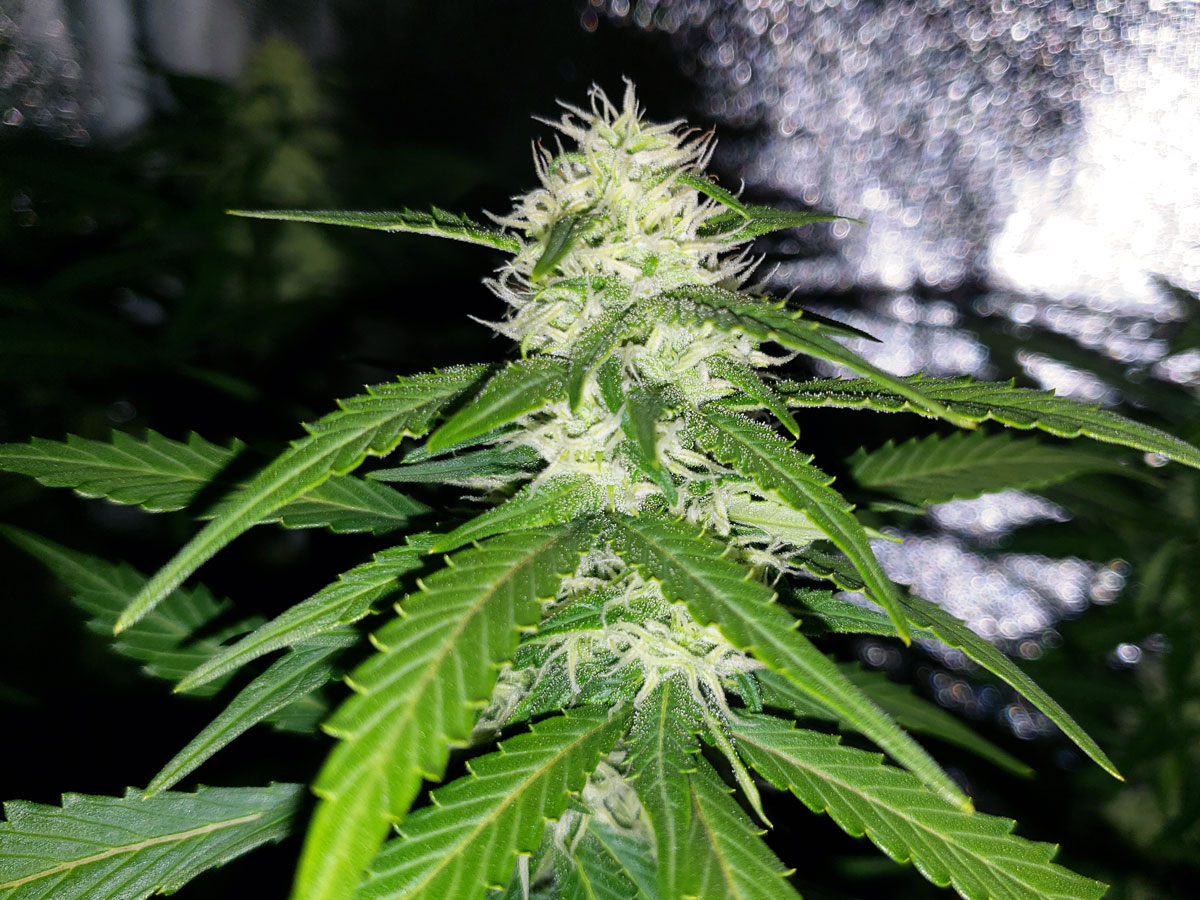
Mandarin Cookies: Each bud is attending sequin night at a 70s disco.
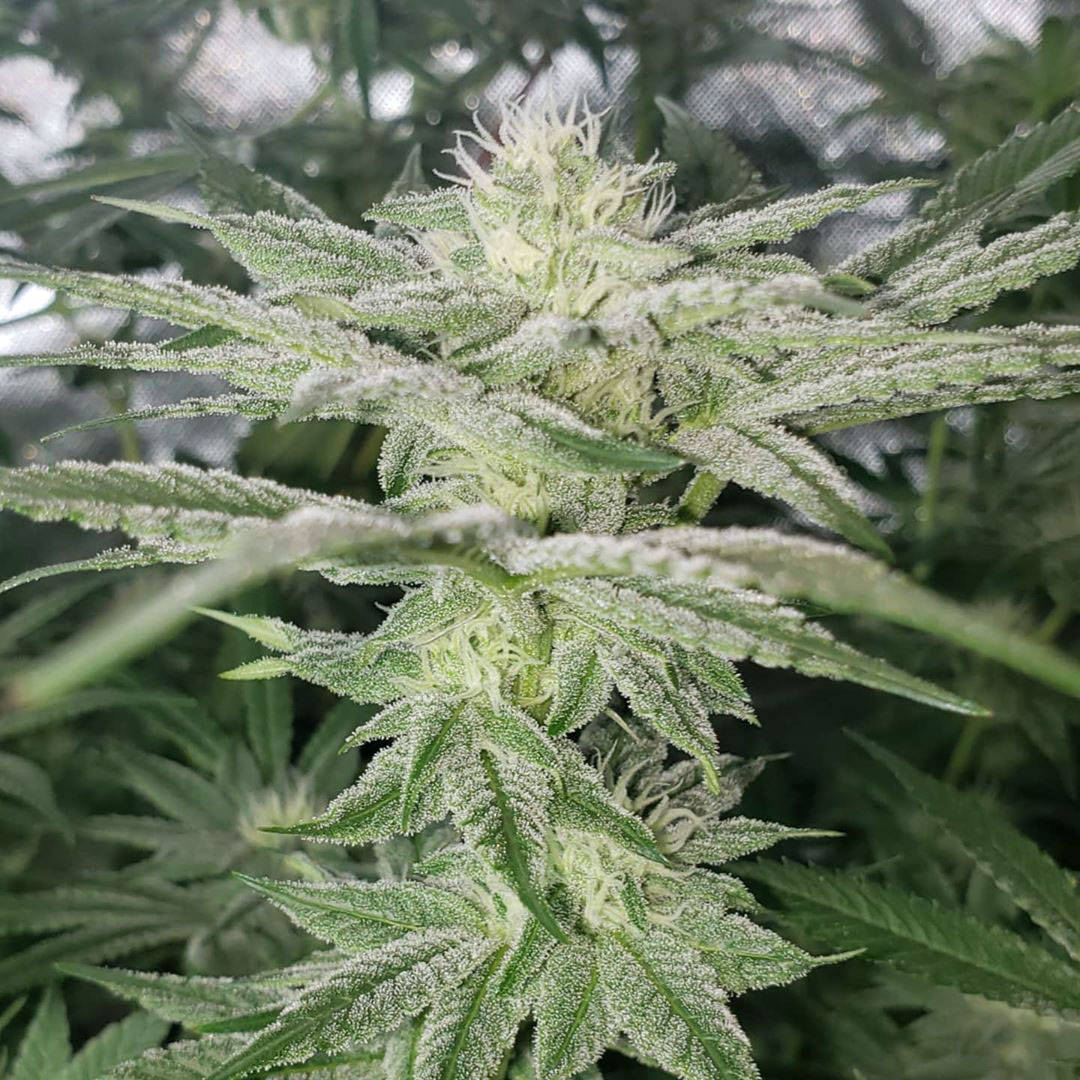
The pictures show a huge difference in trichome production (sparkle), and that difference is driven by genetics.
A grower can maximize trichomes by keeping plants healthy and giving buds strong, direct light. But no grower could make that first plant develop as sparkly as that second one in identical conditions.
Here’s one more example from a recent grow.
One grower commented on my Candy Games #38 buds and said, “I hope to have the skills to grow buds like that one day.”
But his buds looked just like the GG4 x Zkittles I grew in the same tent. The difference wasn’t skill.
I grew these GG4 x Zkittles buds, which smell and smoke great.
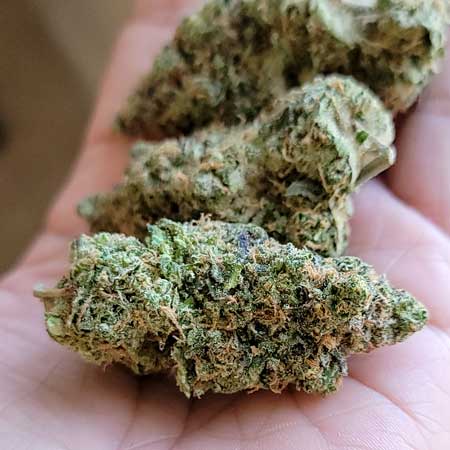
But the Candy Games #38 from the same tent turned purple and are significantly more potent and sparkly.

Both buds came out amazing, but if you are like that grower dreaming of purple, extra-sparkly buds, you might not be as happy with green “regular” buds.
So for that particular grower, choosing the right seeds was the only difference between him and his grow goals.
Speaking of challenges that come from lack of knowledge…
2.) Can’t Figure Out the Deficiency
This is something that plagued me when I first started growing. I kept getting what I thought were nutrient deficiencies and I couldn’t understand why.
I’ve never shared this before, but here are some plants from when I first started growing. At this point, I’d already had 3 successful grows under my belt using fluorescent grow lights in a closet.
I upgraded my setup with some LED grow lights and a grow tent. For the next three grows, my plants looked terrible.
The first grow in the new tent started out okay. Here’s right as the plants started flowering
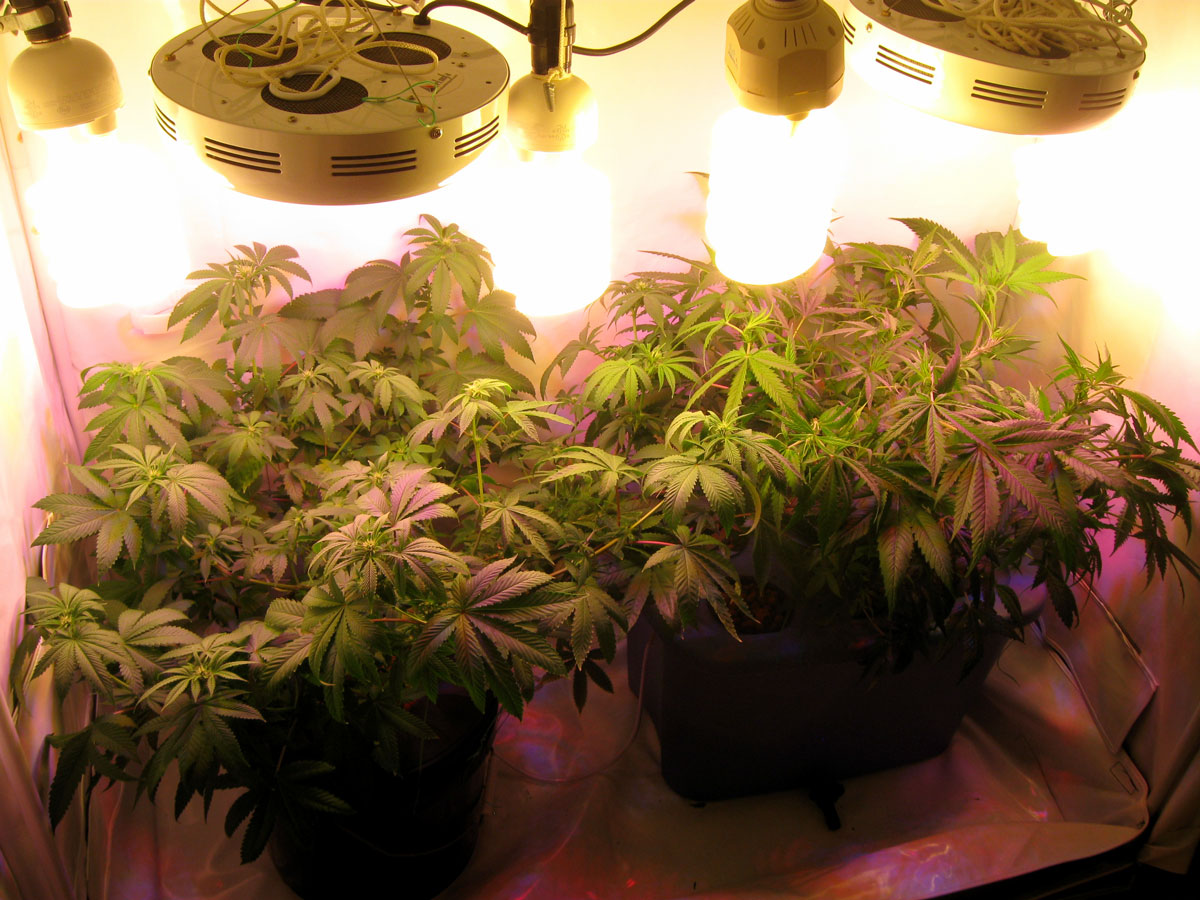
But once the plants were flowering, they started doing this and I couldn’t figure out why

I checked the pH, since incorrect pH had caused nutrient deficiencies for me in the past. My pH was spot on. I got an expensive pH Pen to double-check and still, the pH was correct. I thought I was doing everything right. I’d already had successful grows at this point, including one in hydro.
What the heck was going on?
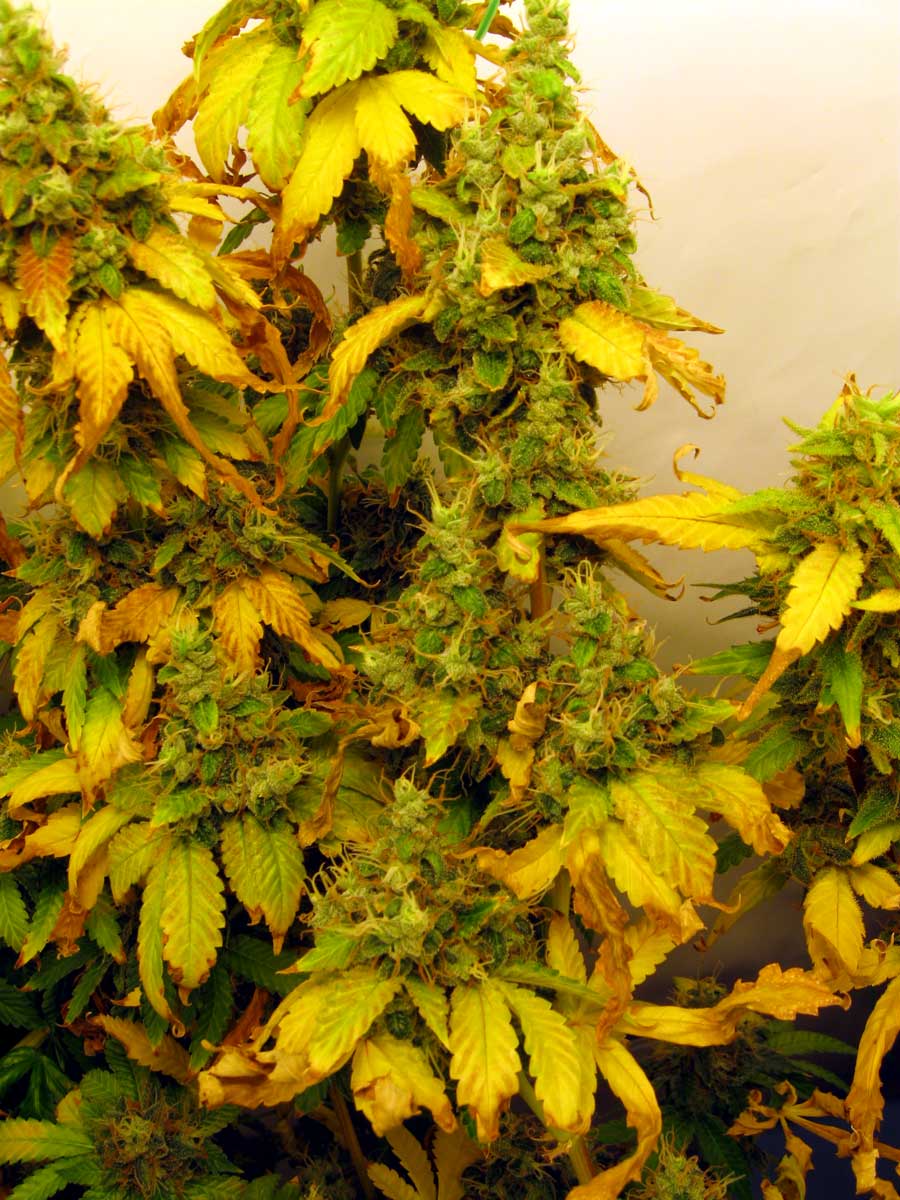
My next grow started okay. But once the plants started flowering, basically the same thing happened again.
After 3 very successful harvests, I was about to reach a third disappointing harvest. I seriously considered quitting growing.
Luckily, I finally figured out the problem by accident.
As I was taking pictures of the sick plants in my bathtub, I realized one part was actually a healthy green (circled).
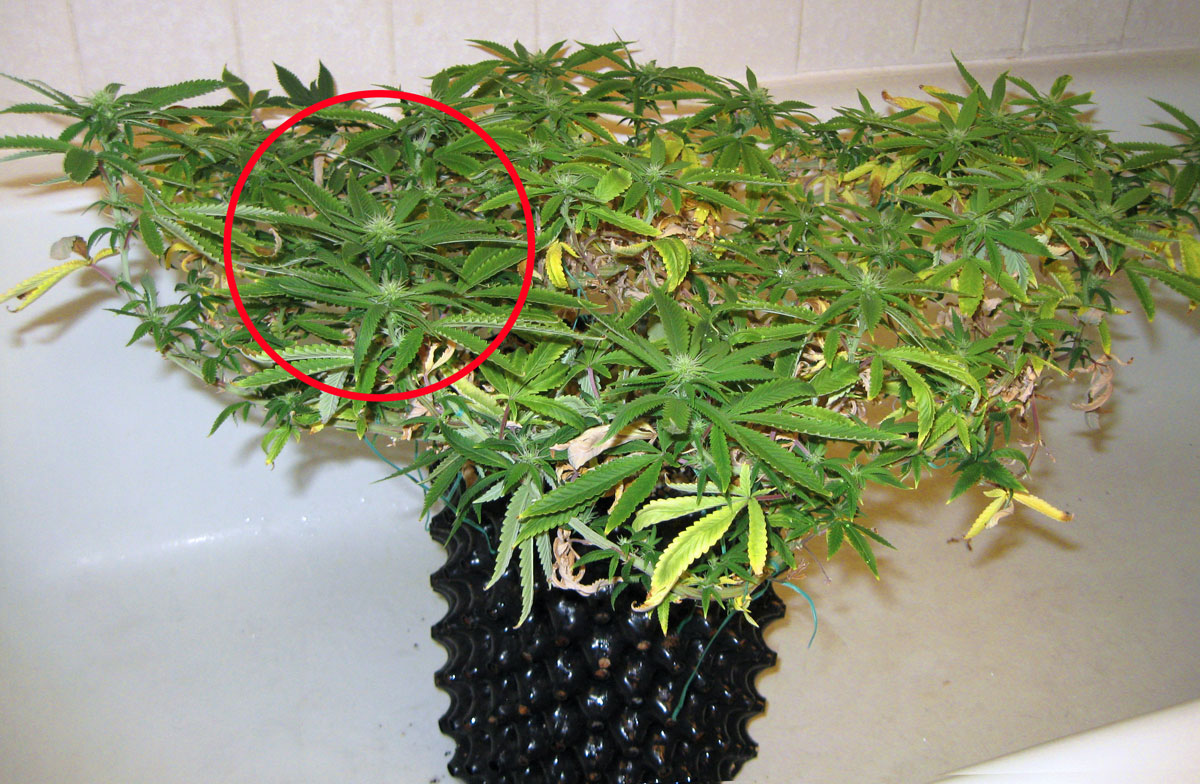
Hmmmm. I investigated the grow tent and eventually noticed half the LEDs on an LED panel had gone dark… and it was right above that green part of the plant.
The new LED panels I’d purchased were frying my plants!
And suddenly it all made sense. I only started experiencing these symptoms after I’d purchased new LEDs to supplement the fluorescent lights. I was keeping them way too close, even though I was following the manufacturer’s specifications. Plants only showed symptoms after they started flowering because that’s when cannabis plants tend to get more sensitive (learn more about the mid-flower curse).
I got better grow lights based on the recommendation of a guy at the hydro store. And never experienced this problem again. It always helps to hear from other growers when you’re not sure of the best way forward.
My next grow with good grow lights gave my confidence back.
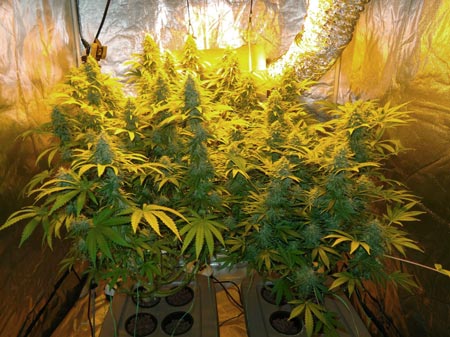
LEDs have come a long way since 2009, so this exact problem likely won’t happen to you. Here are examples of proven LED grow lights for cannabis. But it’s an example of a time when I couldn’t figure out a problem even though I was just following the directions I’d been given.
The party who should be ashamed is the LED manufacturer for selling a light that didn’t work as advertised. Never mind that the panel broke after just 2.5 grows. *Shakes fist*
These days, luckily, there is so much more help available to growers including GrowWeedEasy.com with hundreds of free tutorials on every aspect of growing. Use our search bar to find what you’re looking for.
Just remember this: you don’t know what you don’t know.
A surprising number of unexpected things can happen during a cannabis grow, so don’t get discouraged if you can’t figure out a problem right away.
3.) Hermies and Bananas (“Nanners”)
The word “hermie” is short for hermaphrodite and is used to describe cannabis plants that produce both male and female flowers. This can appear as pollen sacs, which look just like male flowers. They can also appear as “bananas” or “nanners” actually emerging from your buds. These are easy to miss if you don’t know what to look for!
If you see yellow “bananas” appear on your buds, get rid of the plant quickly. Otherwise, buds in the grow area may get seeded.
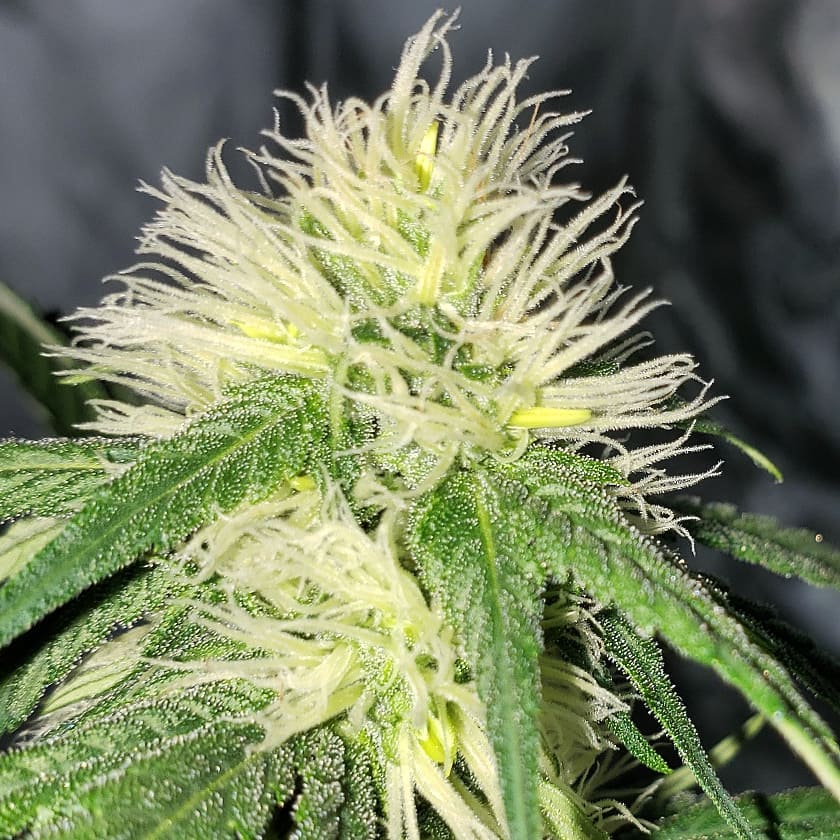
Same thing if you see pollen sacs. You should toss any plant with pollen sacs (if you want to avoid seeds).
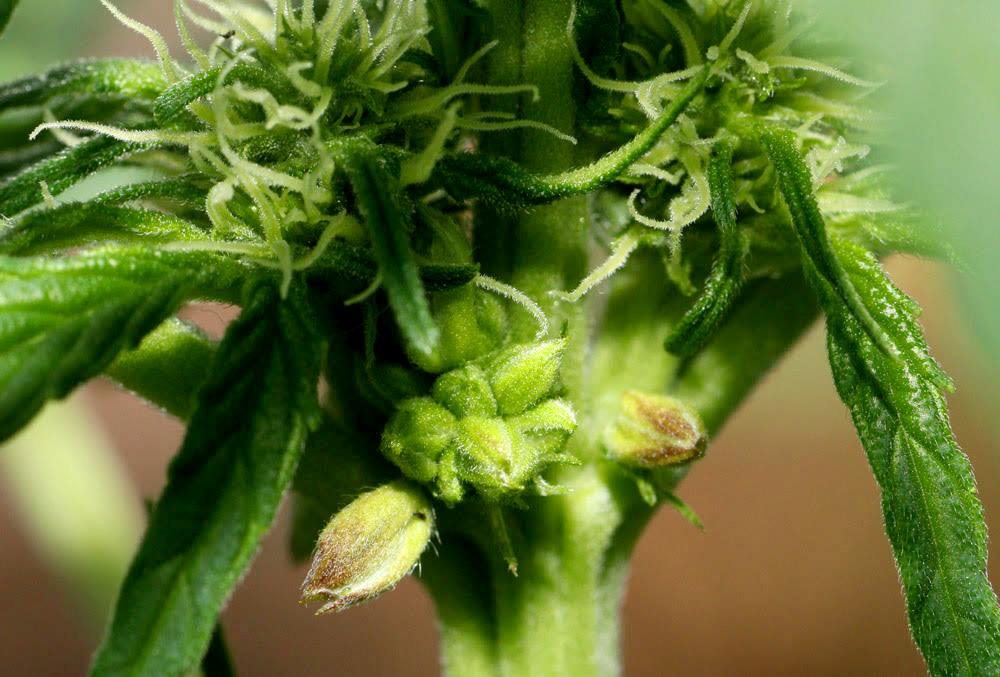
What’s the big deal? Male flowers and bananas will pollinate your beautiful buds (“bananas” are basically the inside of a male pollen sac, only exposed).
Pollination causes seeds to grow. It lowers your overall yield when the plant focuses on seeds instead of buds, and seeds can be a pain to pick out of buds.
A few seeds here and there won’t make much difference, but pollination also reduces the potency if buds get heavily seeded.
What causes hermies?
Herms often appear after a plant goes through a stressful event. Heat, light leaks, unusual light schedules, too-heavy defoliation, supercropping, and all sorts of stress can trigger a plant to herm. Learn more about hermies and bananas.
So isn’t herming your fault?
In my opinion, no. And here’s why.
Some plants will herm even in perfect conditions. In some parts of the world, there are actually wild populations of cannabis where ALL the plants produce both male and female flowers.
In fact, most flowering plants on earth (besides cannabis, hops, and a few others) always produce both male and female flowers on the same plant.
As home growers, we viciously remove any “always herm” plants out of the breeding pool, because it’s so essential to prevent seeds if you want the highest quality bud and yields. But that doesn’t mean we do it perfectly. Some strains carry the ability to herm within their genes.
You can’t overcome a plant’s genes.
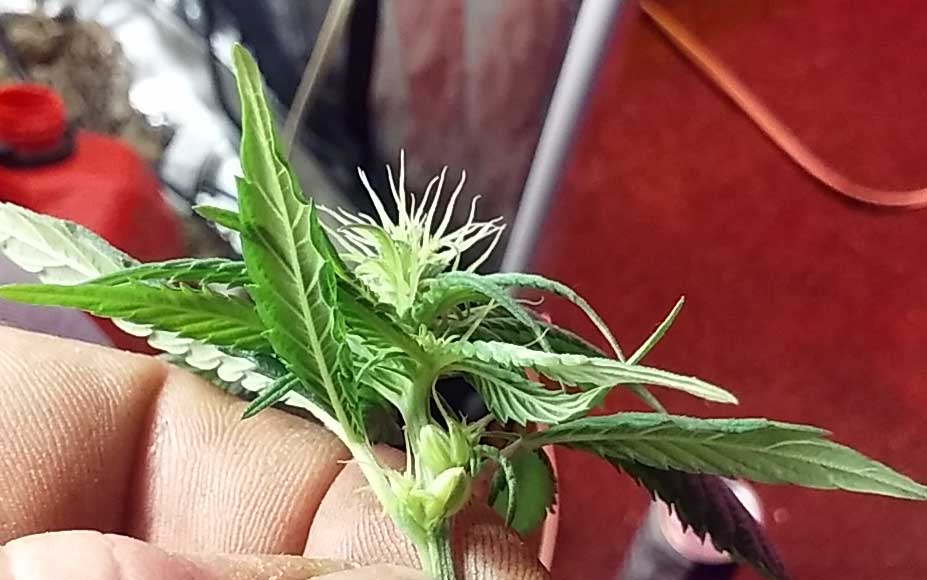
Every grower should strive towards giving plants the best care possible, but we shouldn’t feel guilty if a plant herms. In the end, if the genetics wouldn’t allow the strain to herm, it wouldn’t have. That being said, here are some proven cannabis breeders with ultra-low herm rates.
Figure out what caused the herm, if anything, and you’ll be better prepared next time.
4.) Bugs and Pests
Bugs and pests often cause growers a lot of shame. It feels like you must be a terrible grower if your plant has bugs. But let’s consider…
Where do growers usually get bugs?
- Soil too wet for too long (fungus gnats are common with overwatering soil or coco)
- From another grow room or garden <– Most common cause for bugs besides overwatering!
- Track them in from outside (I heard of someone getting spider mites from a bouquet of roses they bought for their wife)
- The bugs were already in the soil when you bought it
- Outdoor growers just have to deal with them
I’m not saying you shouldn’t protect your plants from bugs. That’s an important part of being a grower. But when you look at the “mistakes” that are being made, they’re coming from growing plants and trying to do best by them.
Many growers deal with bugs at some point. Thrips were nibbling on this plant.
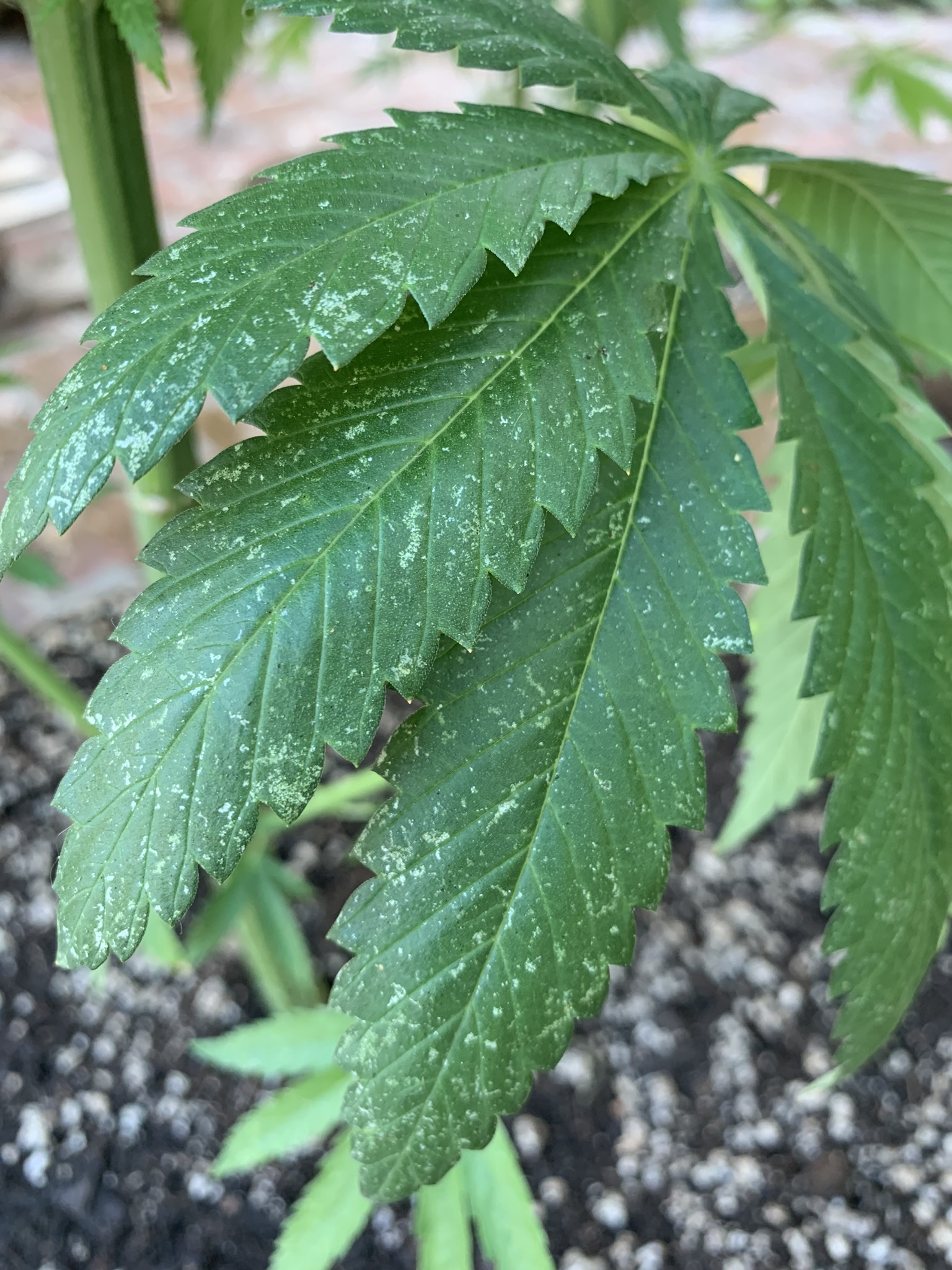
Most growers overwater their plants at some point. The optimal amount of watering depends on the grow medium, pot size, temperature, humidity, size of the plant, and more. Learning how to water properly with your unique setup is something every grower needs to learn, but no one is born with that skill.
And of course, it’s always a great idea to start with good soil (or choose coco or hydro for less of a chance of bugs than soil). Avoid going from outside directly to your grow room. Don’t visit or take clones from other grow rooms. Keep your grow space clean. Those are good steps to take.
But is it really your fault that you trusted someone enough to take clones from them? Is it so terrible that you went to visit your plants after going outside, or trusted the soil you bought was bug-free? No. So, don’t beat yourself up.
Cannabis clones are a common source of pests. The grower who gave them to you probably didn’t know they had bugs.
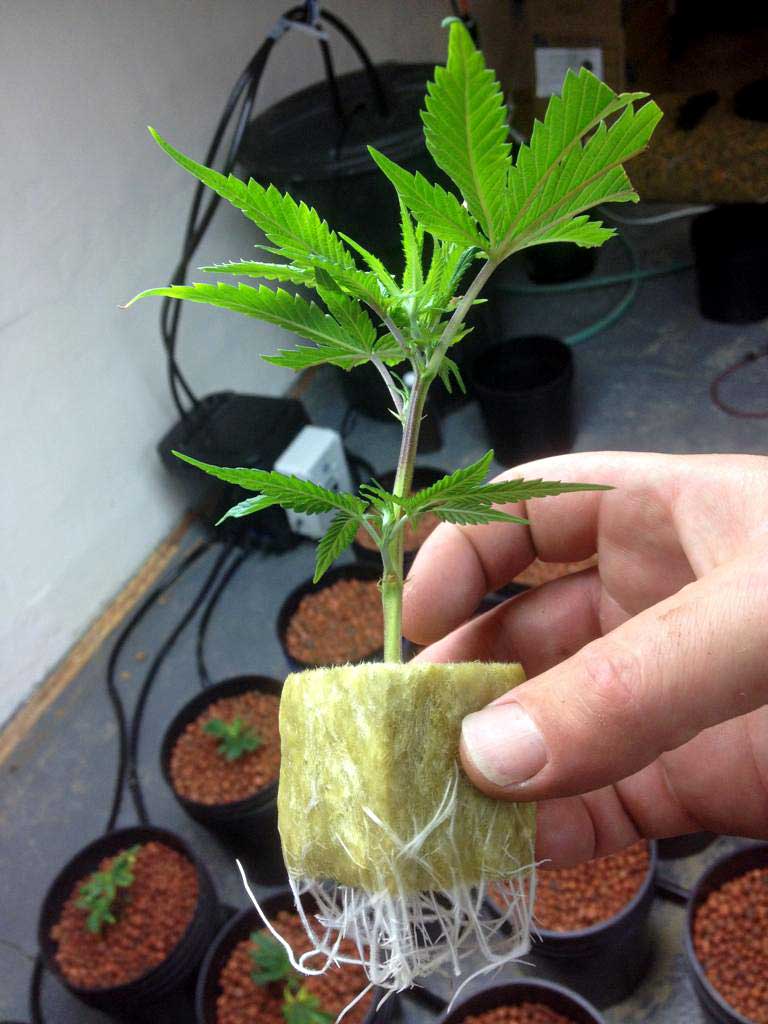
We should always learn from our mistakes, but we also shouldn’t blame ourselves for what we couldn’t know. Most growers will deal with some type of pest eventually after growing for a few years, especially if you grow in soil. That doesn’t mean you’re a bad grower.
Now if you just ignore the bugs after you spot them, that’s a different story.
Learn how to get rid of most cannabis pests safely.
5.) Bud Rot (Botrytis)
Bud Rot is a jerk. Right as you’re starting to feel like you’ve got the hang of growing, the plague known as Botrytis often rears its ugly head. Why? Bud Rot loves big buds.
“I like big buds and I cannot lie!” ~Botrytis
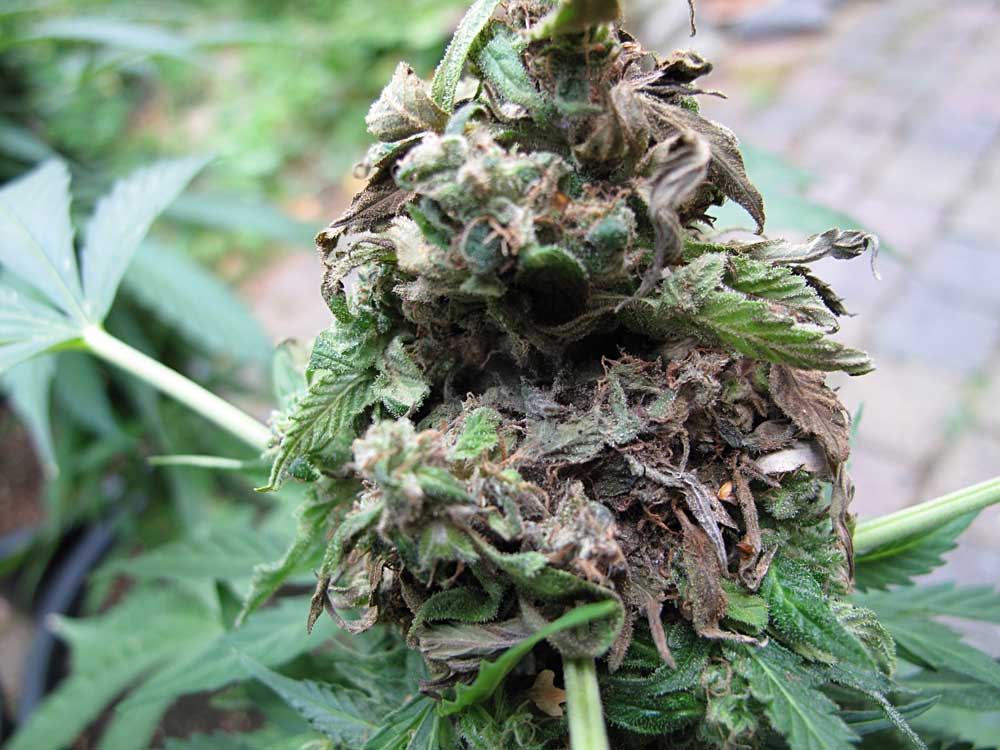
I never thought about bud rot in my first few grows. It wasn’t until I upgraded my lights and started growing huge buds that I had my first run-in with bud rot.
Bud rot often first appears as some random yellow or discolored leaves on fat buds.
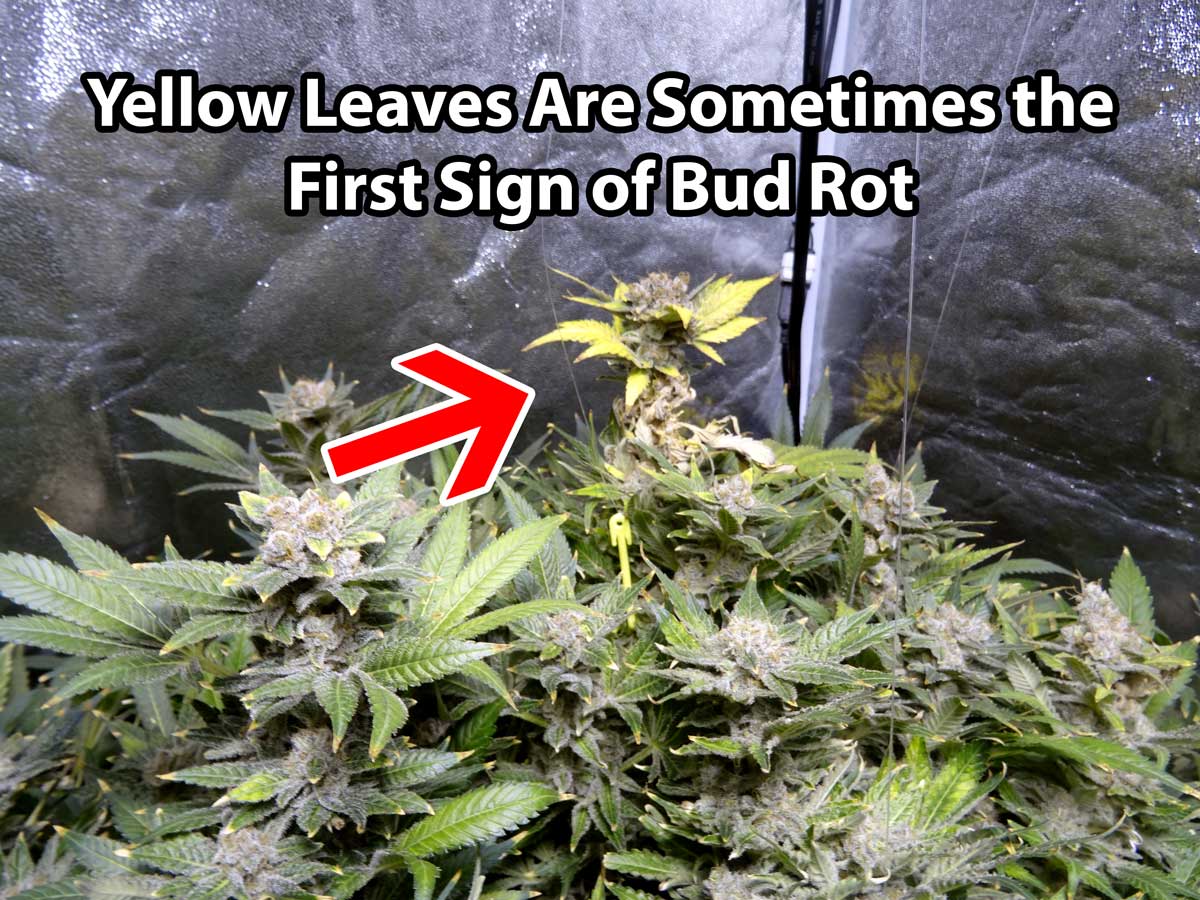
Bud rot is most common in grow areas with high humidity and low air circulation.
It usually targets your fattest, best buds.
Once a plant has bud rot, it’s worth assessing whether to harvest all plants. Bud rot can spread quickly unless you fix the conditions that caused it to grow.
Most importantly, be aware and keep an eye out for leaves on buds that change color overnight.
What you need to know about bud rot:
- Try to keep humidity at 50% RH or lower once buds get thicker than the width of your thumbs
- Ensure plants get fresh air and good air circulation (a small oscillating fan blowing air gently over fat buds does wonders)
- Defoliate very leafy plants, especially if you’re seeing wet spots forming between the leaves
- Avoid temperature extremes, since both intense heat and cold can increase the chance of bud rot.
- Watch out for discoloration of the leaves or pistils on buds.
A close look at an affected bud. There’s rot growing inside.
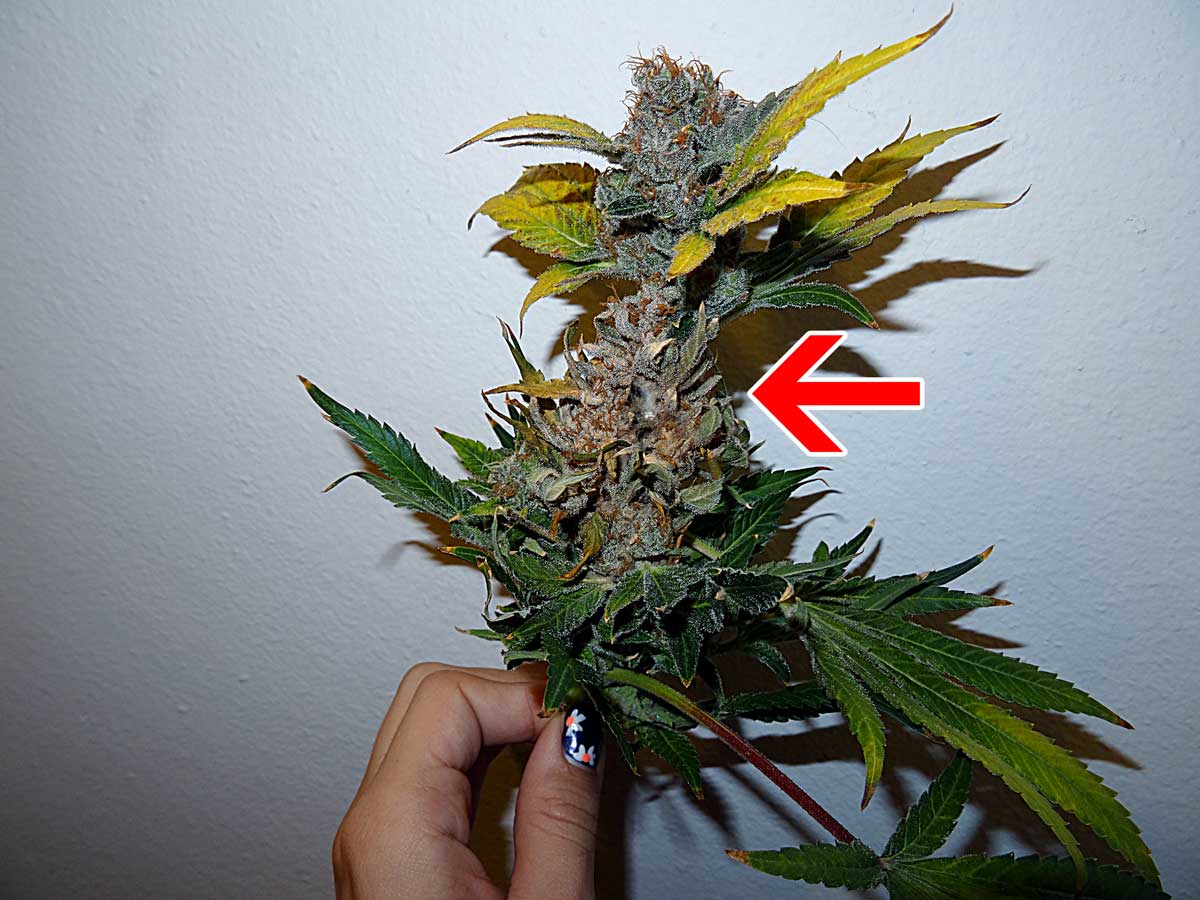
Bud rot tries to punish you for taking your growing skills to the next level. Yes, it totally sucks. Losing your biggest buds is heartbreaking. But now you know what to watch out for and how to protect your garden once buds start getting fat.
6.) Then There Are Mutations…
The red arrow points at a mutant plant that seemed strange and slow-growing from the beginning.
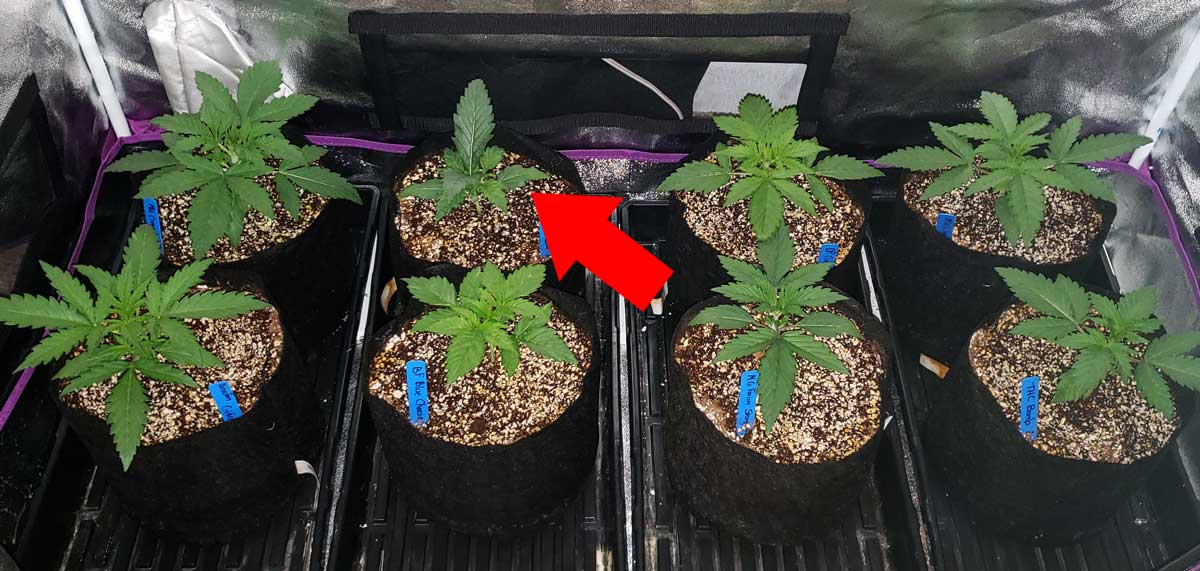
It grew oddly its whole life compared to the other plants.

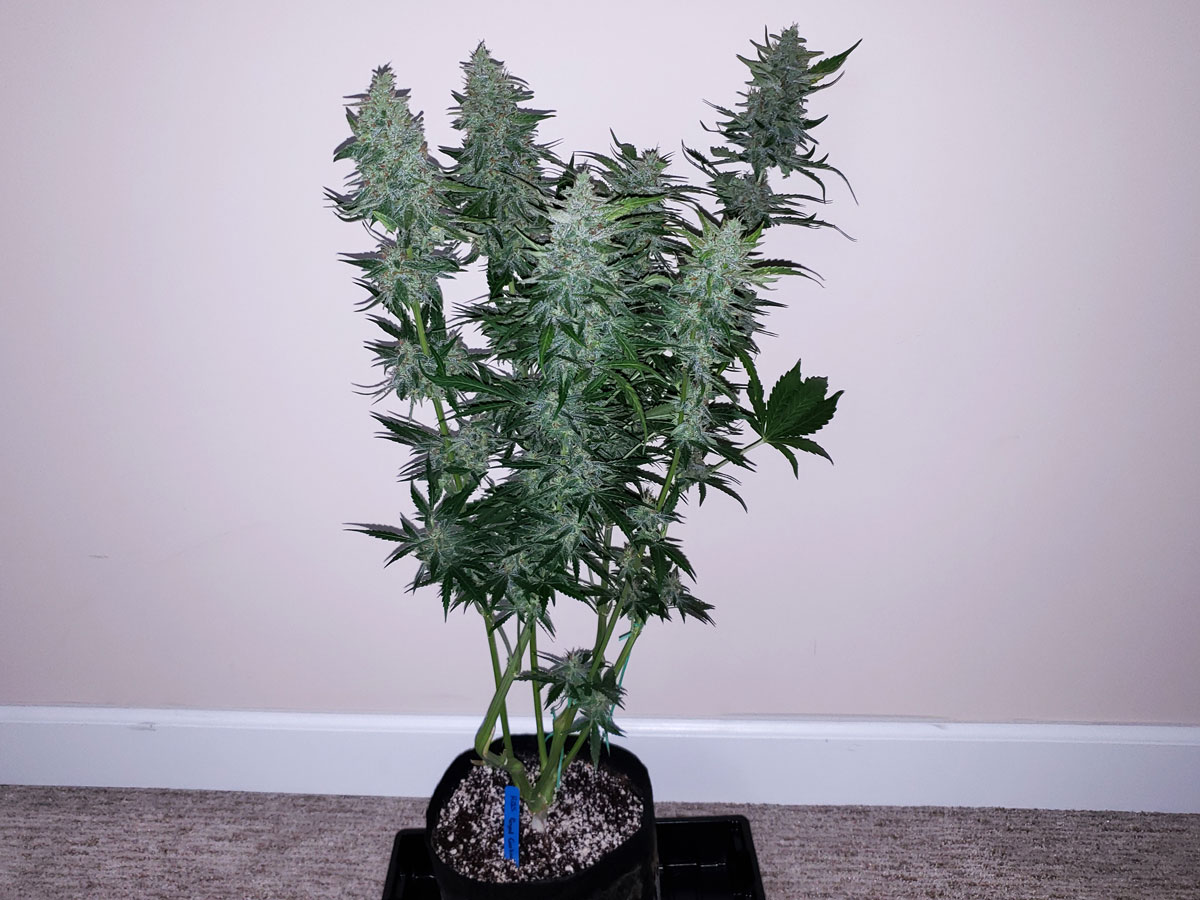
At harvest, the mutant plant’s buds were smaller and less dense than any other plants, especially the plant right next to it.
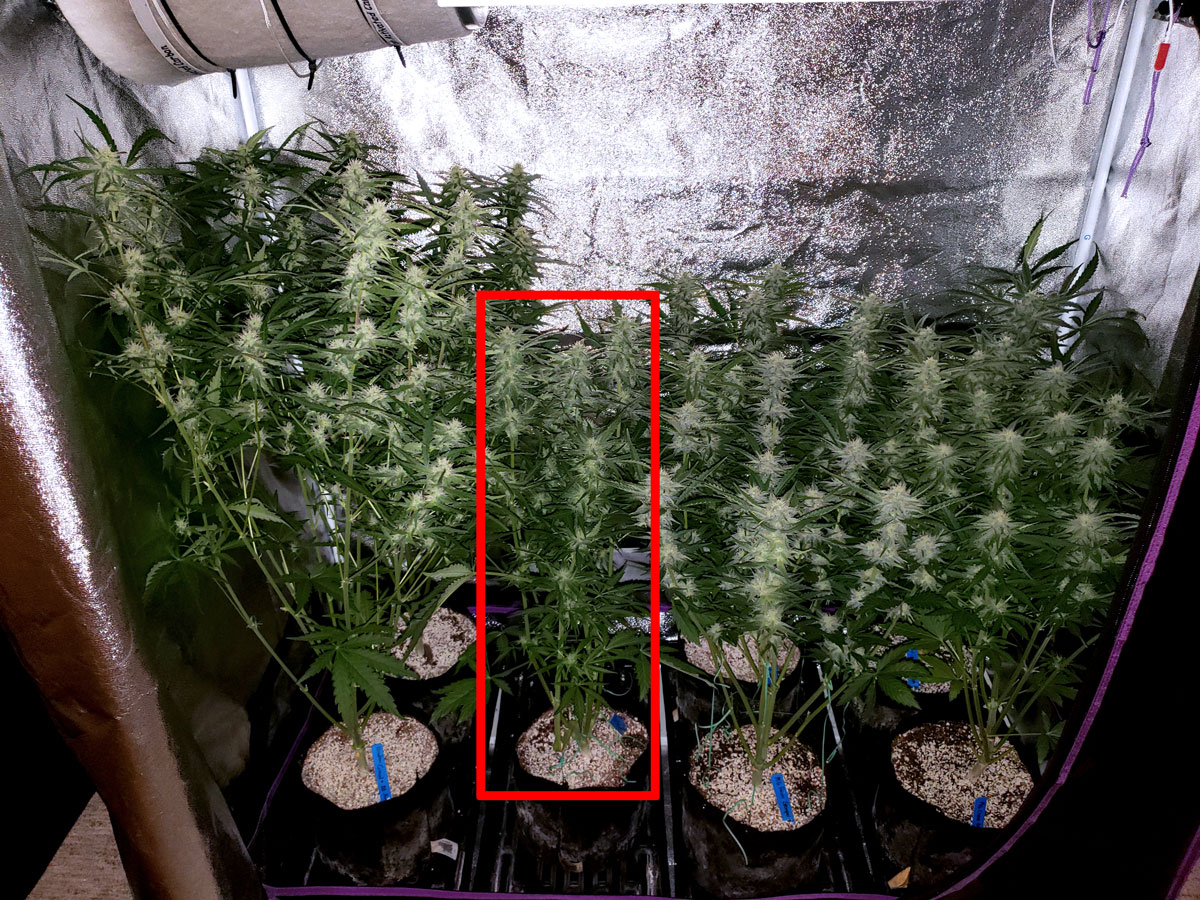
Still, it made great buds to smoke. Yet if this was someone’s only plant, they might feel bad their buds were airy and small, even though the results were affected by genetics more than grower skill.
7.) Real Life Happens
There are aspects of growing that are outside your control. Constraints based on your living situation. Weather. Real-life events that take your attention away from your garden.
Local weather, power outages, life emergencies, space limitations, etc. are often outside of your control!
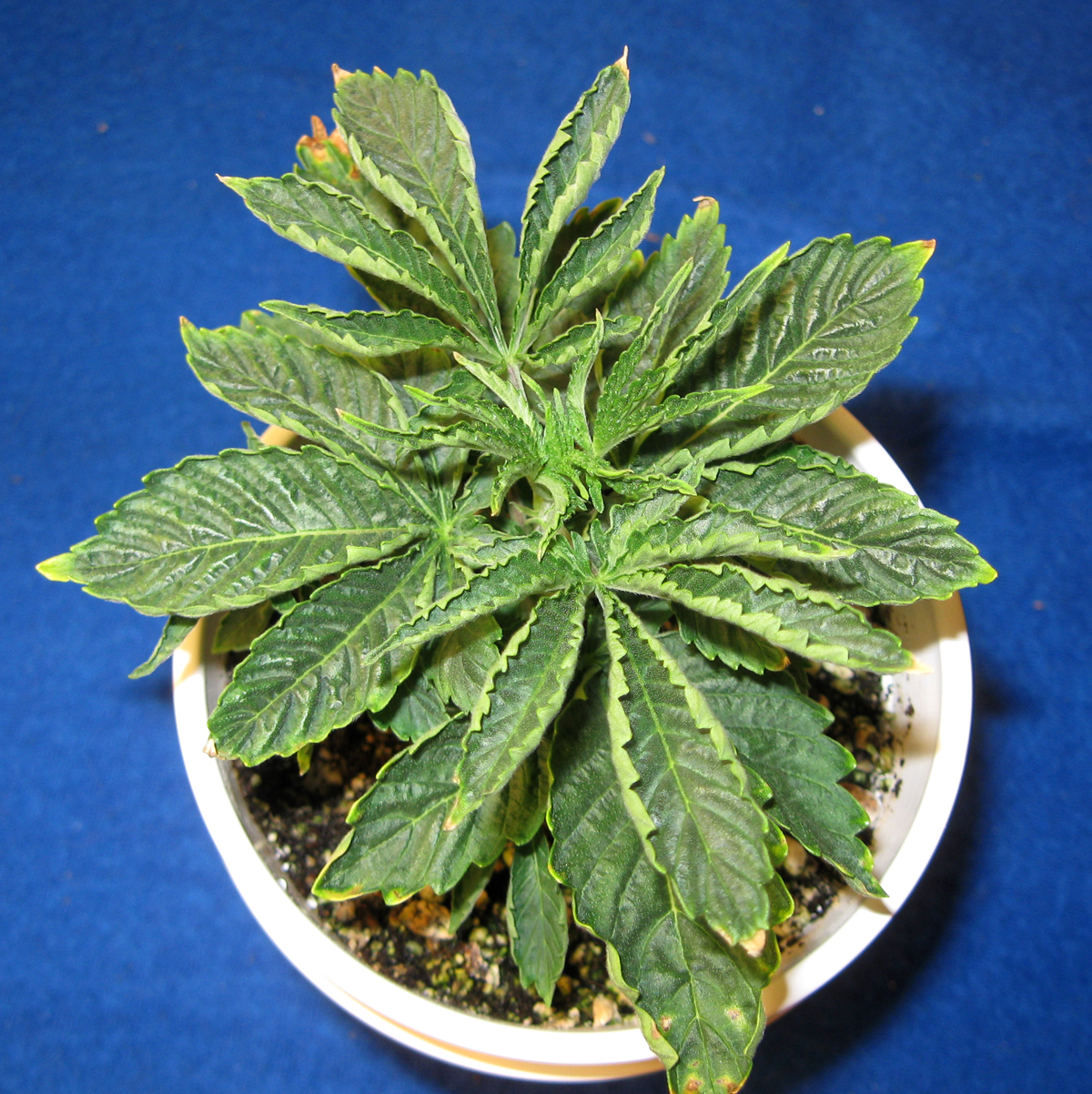
It makes me think about this poor plant from several years ago. I unexpectedly had to leave town for 3 days. I gave this little solo cup seedling a ton of water so it wouldn’t dry out while I was gone (notice the green algae growing on top of the coco from too much water). While I was gone, there was a heatwave. Needless to say, it was a very unhappy plant by the time I got back.
Every grower runs into problems. Sometimes it’s out of your control!
You can blame my grow skills for letting this happen, but the truth is I had a family emergency and didn’t have any choice but to leave town immediately. This was long before I realized what other options I had available to keep a plant watered (like Blumat Classic Junior stakes or auto-watering pot bases).
For anyone wondering, that poor baby did survive and produced a nice harvest.
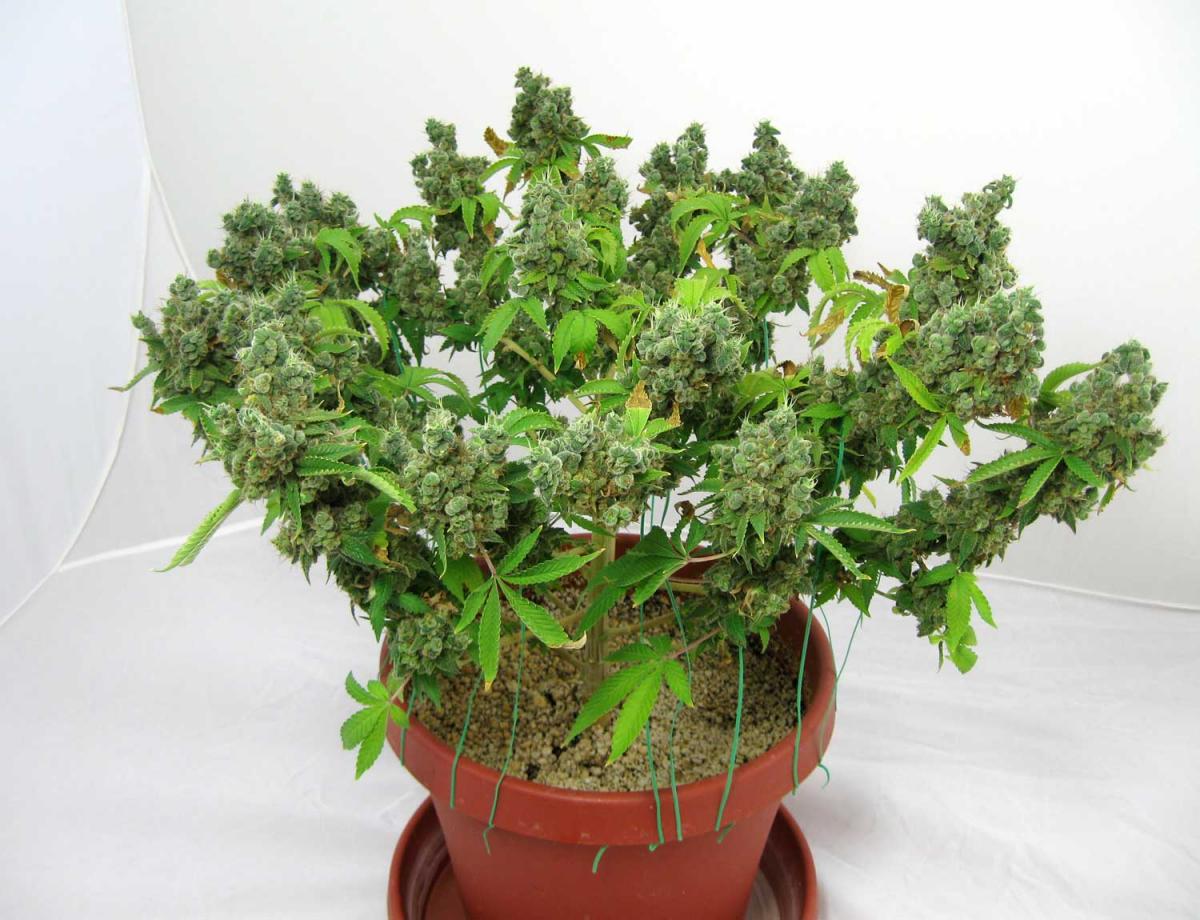
Even if your plant dies, you can always plant another seed.
If you’ve read down this far, I hope you walk away with one lesson more than any other: Be kind to yourself. Stuff happens, and you’ll get past it!
Conclusion: Every Grow Is a Learning Experience
The reality is, no matter how experienced you become as a grower, issues are going to happen.
It’s easy to feel discouraged or guilty when your plants struggle, especially as a beginner, but the truth is that setbacks happen to all growers at some point.
The key is this: don’t be too hard on yourself.
What matters is striving to give your plants the best possible care, because that’s what turns you into a master grower.
You’ve got this, and GrowWeedEasy.com is here to support you every step of the way.
Get free tips and tutorials delivered to your inbox each Sunday.
I shared some examples of problems I’ve had over the years in the hopes that you don’t feel bad if something happens in your garden.
I’ve learned lots of lessons over the years. You might be interested in these articles
